



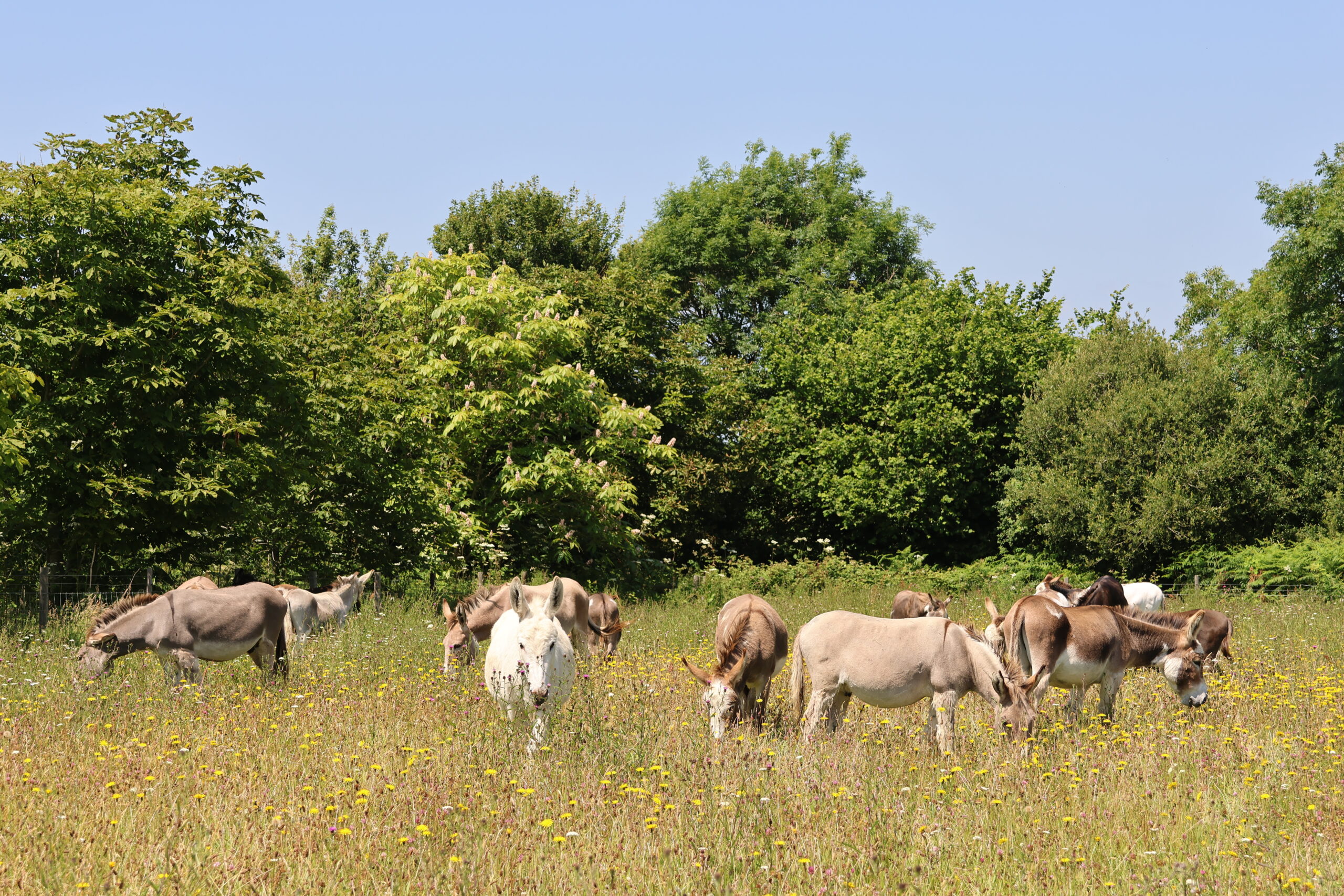
A sanctuary known for giving donkeys a safe home is now turning its attention underground – restoring soil health to create richer grazing and a haven for wildlife.
To mark United Nations World Wildlife Day on Tuesday, March 3, The Donkey Sanctuary has highlighted efforts to improve land management at its site in Sidmouth, with new seed mixes and restorative planting aimed at boosting biodiversity and supporting its four-legged residents.
At Dawn Barn, in the heart of the sanctuary, a diverse mix of grasses and herbs has been introduced to improve soil quality and establish a more resilient grazing ecosystem. The approach is designed to enhance drainage and soil aeration while also providing a varied foraging habitat for donkeys.
Species including Timothy, cock’s-foot, smooth-stalked meadow grass and crested dog’s-tail have been combined with finer grasses such as bents and fescues. According to the sanctuary, these varieties offer multiple benefits, including low-sugar grazing for donkeys and improved conditions for pollinators.
Across other pastures at the site, a range of seed mixes has also been sown to increase plant diversity. Wildflowers including yarrow, chicory, yellow-rattle and common sorrel have been introduced to support soil health and structure. The plants are described as safe and nutritious for donkeys, with some offering anthelmintic, or deworming, properties.
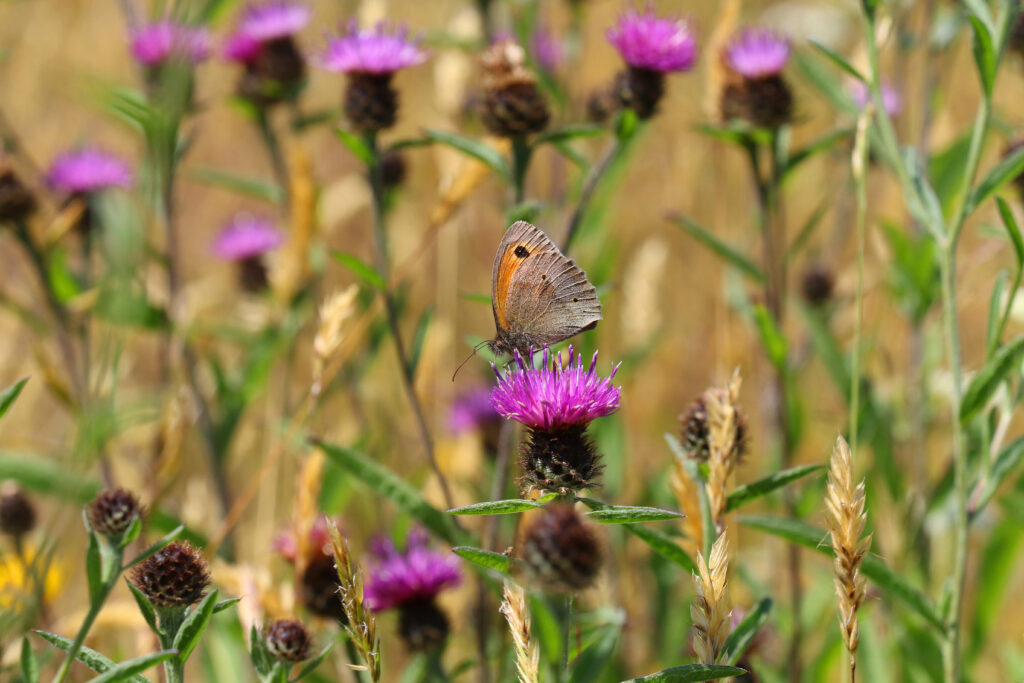
The sanctuary says the changes not only benefit its animals but also local wildlife. The enriched grasslands provide additional food and shelter for pollinators such as bees, beetles, hoverflies, moths and butterflies, as well as invertebrates including crickets and grasshoppers.
A greater variety of species also supports animals that feed on invertebrates, alongside small mammals and birds that rely on seeds later in the growing season. Among the butterflies and moths recorded at the sanctuary in East Devon are gatekeeper, meadow brown, ringlet and common blue, whose caterpillars feed on some of the plants now being cultivated.
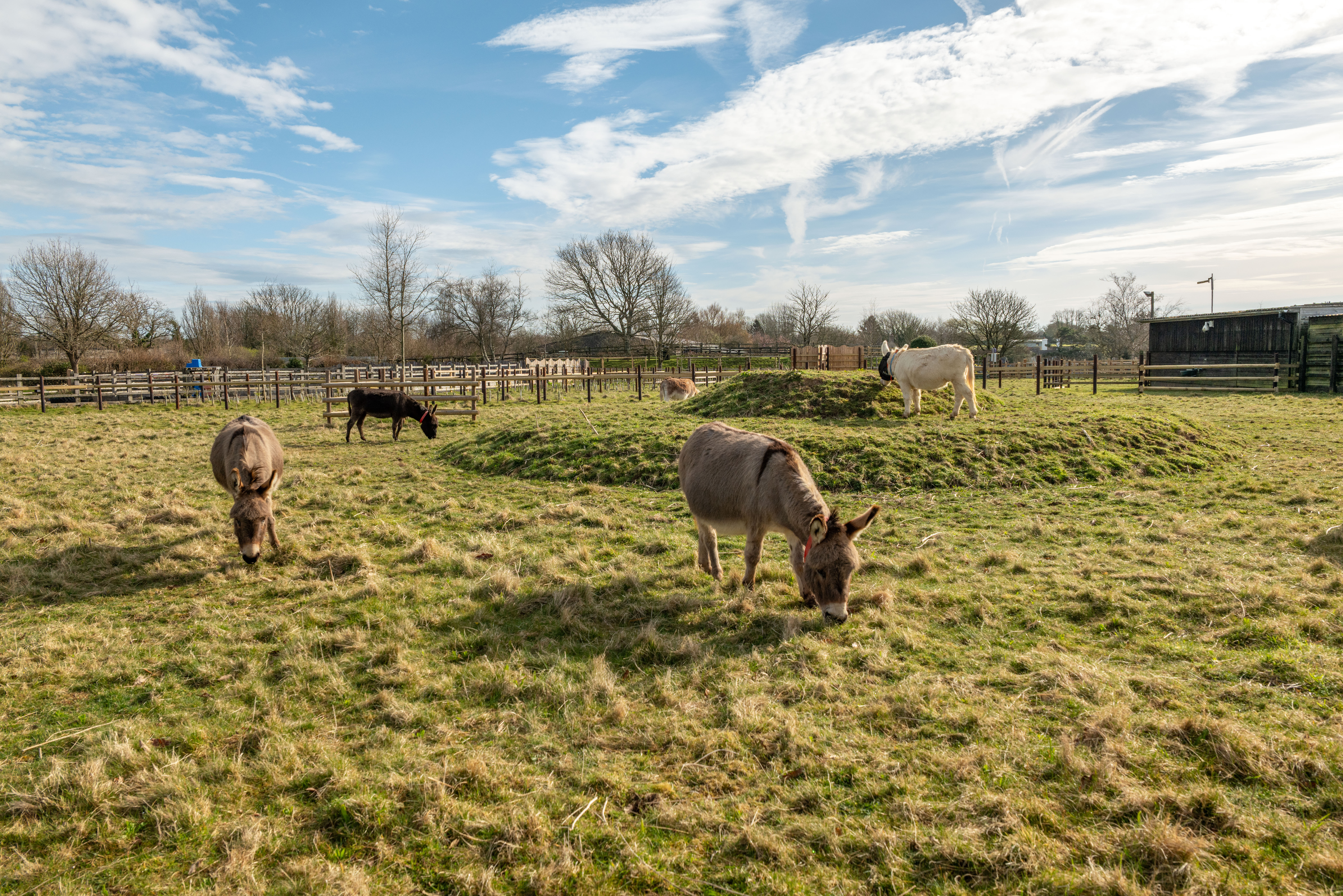
Helen Cavilla, ecology and conservation officer at The Donkey Sanctuary, said: “It’s great to see how a diverse mix of beneficial plants can restore the land – improving soil health, enhancing biodiversity and creating more natural foraging opportunities for our donkeys.
“When we look after the environment, we create healthy habitats where both nature and donkeys can live and thrive.
“At The Donkey Sanctuary, we want to protect our green spaces as we know donkeys thrive in biodiverse environments which provide them with food, natural enrichment and shelter. Therefore by helping nature, we’re helping our donkeys too, and with plans to continue this work to improve the diversity of the sanctuary environment, we’re helping conserve nature for future generations to come.”