Barnstaple Town Council is inviting local children to take part in a creative competition to celebrate World Environment Day (5th June) and help keep Rock Park litter-free.
Children aged 5 – 11 living in the Barnstaple area are encouraged to design a bold, eye-catching bin sticker that inspires people to use the bins and protect nature. There will be one overall winner, selected by Barnstaple Youth Council, along with three runners up.
The winning design will be displayed on bins throughout Rock Park, helping to spread an important environmental message to the local community, with the runners-up featured in the wider Bin it for Nature Campaign.
Mayor of Barnstaple, Councillor Janet Coates said “It’s inspiring to see young people leading the way in caring for our environment. This competition is a great opportunity for children to share their creative ideas and make a real difference in our community”.
Communications Officer, Esther Gittoes said “We want these designs to be eye-catching and spark conversations to encourage everyone to take responsibility for keeping green spaces clean. Children often have the most powerful and creative voices, and we can’t wait to see what our young residents create”.
How to enter:
Aged 5 – 11 and live in Barnstaple
Create an A4 design that is bold, simple and easy to understand
Use mainly images with minimal text
Entrants can apply online at Barnstaple Town Council website. Closing date is Friday 5th June at 5:00pm.
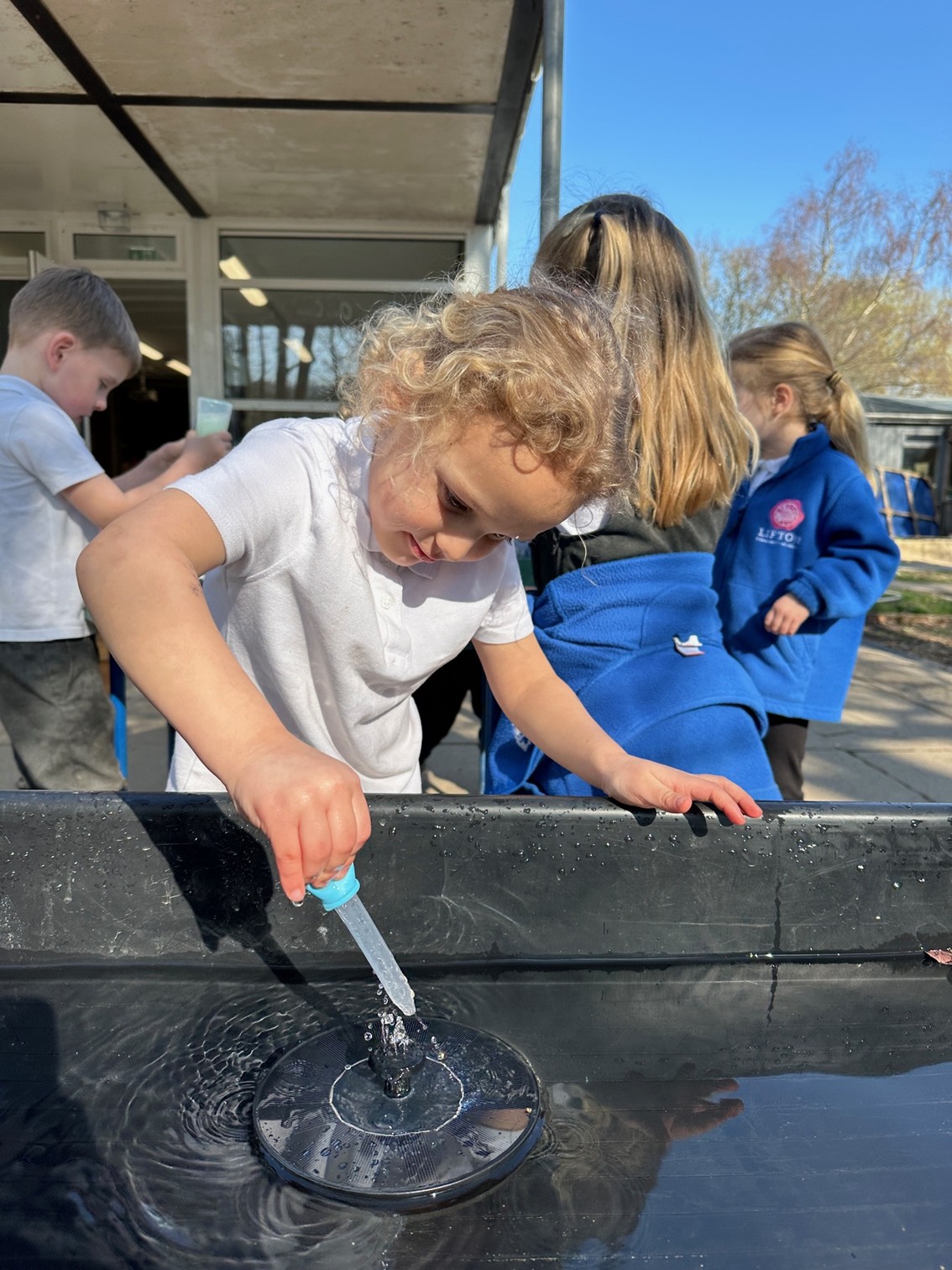
Youngsters at a Devon primary school have been making the most of a colourful new outdoor play area designed to boost confidence, creativity and active learning.
Children at Lifton Community Academy, part of the Learning Academy Partnership, are now using the revamped Early Years outdoor space, which includes trikes, water play equipment and a range of activities aimed at encouraging imaginative play and coordination.
Staff at the school said the new area is helping pupils develop teamwork skills and confidence while supporting the wider Early Years Foundation Stage curriculum.
The school’s Early Years provision includes a range of indoor and outdoor activities including creative arts, music and play-based learning designed to support children’s development from an early age.
Lifton pupils learning together outsideGetting active in the outdoorsA Lifton pupil enjoys the new outdoor play area
Adam Hill, headteacher at Lifton Community Academy, said: “It’s been a joy to see our youngest pupils enjoying their new outdoor play area.
“Now spring has arrived, it’s been really rewarding to watch them making the most of the new equipment, building skills and confidence out in the sun together.”
Tracey Cleverly, chief executive of the Learning Academy Partnership, said: “Outdoor play is such an important part of early learning, so we’re delighted to see Lifton Community Academy’s pupils enjoying their new play area.
“Being part of the Learning Academy Partnership means schools can work together to provide resources and opportunities that help children grow, play, and learn in a safe, engaging environment.”
Lifton Community Academy became an academy in 2022. Before conversion, the school’s last Ofsted inspection in March 2017 rated it as a Good provider. The Learning Academy Partnership operates 18 schools across Cornwall, Devon and Torbay.
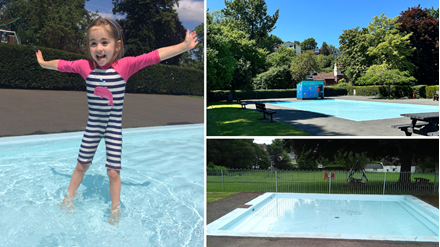
Paddling pools at Westexe Park, Tiverton and Newcombes Meadow, Crediton reopen on Friday 22 May, in time for young families to be able to make the most of the summer sunshine and enjoy hours of fun outside this half term.
Work has been carried out on both pools over the off-season to freshen them up ready for families to enjoy this summer. Picnic tables at the Westexe pool are an excellent place where families can enjoy a bite to eat – please help us keep the water clean and keep food out of the paddling pools.
Councillor Guy Cochran, Cabinet Member for Quality of Living, Equalities and Public Health said: “We’re delighted to welcome families back to our paddling pools for another summer of free outdoor fun. These much-loved community facilities are a fantastic way for children and families to enjoy the warmer weather, stay active and spend quality time together.
A big thanks go to our staff who work hard behind the scenes to help keep the pools clean, safe and ready for everyone to enjoy throughout the summer season.
Please help us to keep the paddling pools clean and safe this summer by using the bins provided and taking litter home where needed.”
From 10am to 7pm, 7 days a week, families can enjoy free outdoor fun until the end of the school summer holidays, with the last day of pool opening set for Sunday 6 September.
Please remember that staff will be working above and beyond their normal role in order to keep these paddling pools open and safe for all to enjoy. If you happen to see them opening or closing the pools, please treat them with respect as without their help it wouldn’t be possible for the pools to remain open.
The pools are a perfect place to spend an afternoon – remember to stay protected by bringing your sunscreen.
If you have any urgent concerns about the pools, please contact Property Services on 01884 255255 or e-mail propertyservices@middevon.gov.uk.
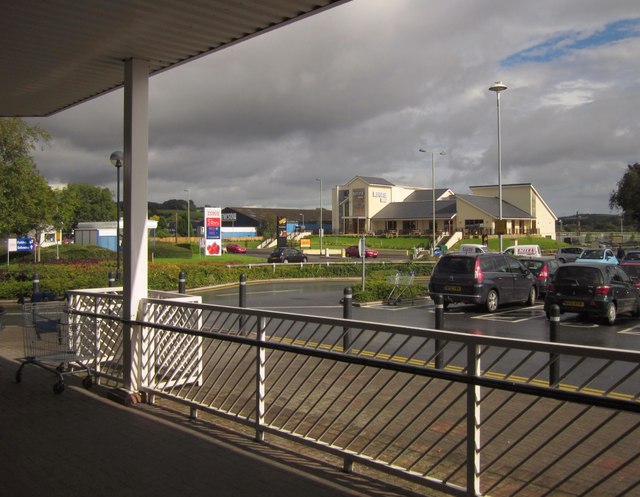
A McDonald’s restaurant could replace the former Beefeater at The Grandstand in Kingsteignton under plans submitted for the existing restaurant building.
The application proposes alterations to the former Premier Inn Beefeater restaurant on Newton Road, including changes to the elevations, replacement rooftop HVAC plant, a new entrance door and associated works.
Planning documents say the former Beefeater, known as The Grandstand, closed in July 2024 and is set to be rebranded as a McDonald’s restaurant. The venue would open to the public from 6am to 10.30pm, Monday to Sunday.
The proposed work includes refurbishment of the building’s elevations, replacement external materials, refinished window frames, an automated sliding door on the western elevation and a new customer area, staff space and kitchen inside. Three new cycle stands are also proposed.
An odour control assessment says the closest residential properties are approximately 87m away and concludes the restaurant has a “high” odour risk rating, recommending a high level of odour control. Proposed measures include grease filters, electrostatic precipitation filters and ozone injection.
The planning statement says a noise report and odour assessment have been submitted with the application, and that the proposed replacement plant would have no adverse impact on the local environment.
McDonald’s says it carries out at least three daily litter patrols within 150m of its restaurants and provides bins and anti-littering signage at sites.
Ofsted has praised Plymouth’s adult skills and further education provision following a recent Ofsted inspection, with inspectors highlighting a strong culture of inclusion, effective partnerships and the real difference learning is making to people’s lives across the city.
The inspection found that adult learners make significant progress from their starting points, with many overcoming substantial barriers to education. Inspectors noted that learners often arrive with very limited prior attainment or negative experiences of education, yet gain confidence, wellbeing and qualifications that prepare them well for further learning or employment. Performance across most adult courses is in line with national averages, with particularly strong achievement in English for speakers of other languages (ESOL).
Inspectors praised the Council’s focus on inclusion, recognising that a high proportion of learners come from disadvantaged backgrounds, including refugees.
The report highlighted that adult learners feel safe, valued and supported, and described learning environments as calm, respectful and welcoming.
The inspection also recognised the Council’s strong partnership working, including close collaboration with employers, community organisations such as Discovery College, ODILS Learning Foundation and Shekinah and regional partners to align provision with local skills needs and support economic growth. Particularly highlighting initiatives such as community learning, progression pathways and international projects that help learners build confidence, independence and wider skills.
David Haley, Director of Children’s Services and Education at Plymouth City Council, said: “We’re pleased that Ofsted recognises the impact our adult skills and further education offer is having, particularly for people who have faced disadvantage or barriers to learning. Creating inclusive, supportive and relevant opportunities for adults in Plymouth is central to our ambition for the city, and it’s encouraging to see learners building confidence, gaining qualifications and progressing into work or further study.
“However, we are very clear that this is not a moment to sit on our laurels. The inspection rightly challenges us to go further, especially in improving outcomes in English and maths and strengthening the quality of our apprenticeship programmes. We already have clear actions in place and will continue to work closely with our partners, staff and learners to drive improvement and ensure Plymouth residents have the skills they need to thrive.”
The Council has confirmed that it is already acting on the inspection findings, with targeted work underway to improve attendance and outcomes in English and mathematics, enhance curriculum planning and assessment in apprenticeships, and build on the strong foundations already identified by inspectors.
Plymouth City Council remains committed to providing high-quality adult skills and further education that supports individual potential, strengthens communities and contributes to a thriving local economy.
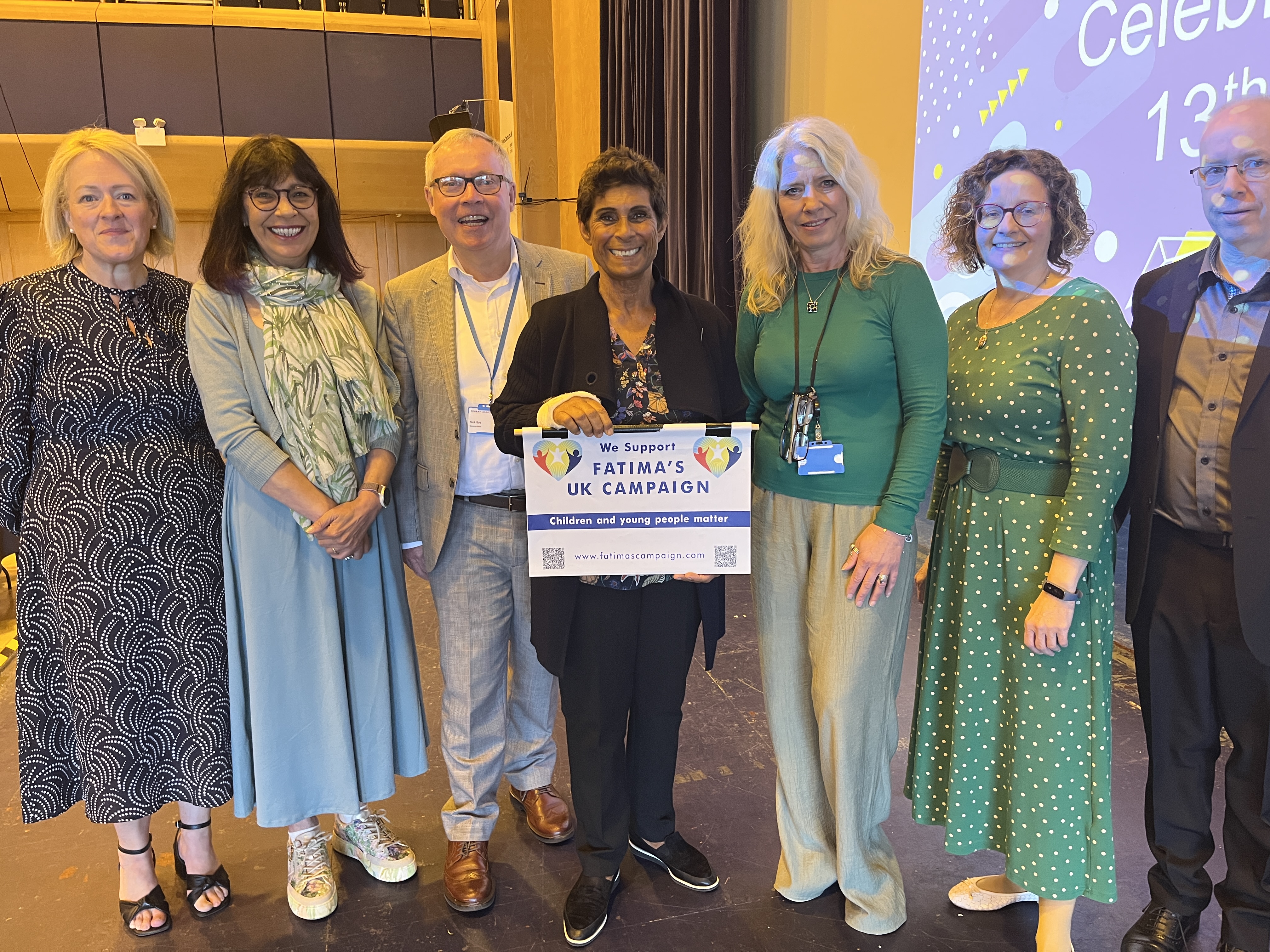
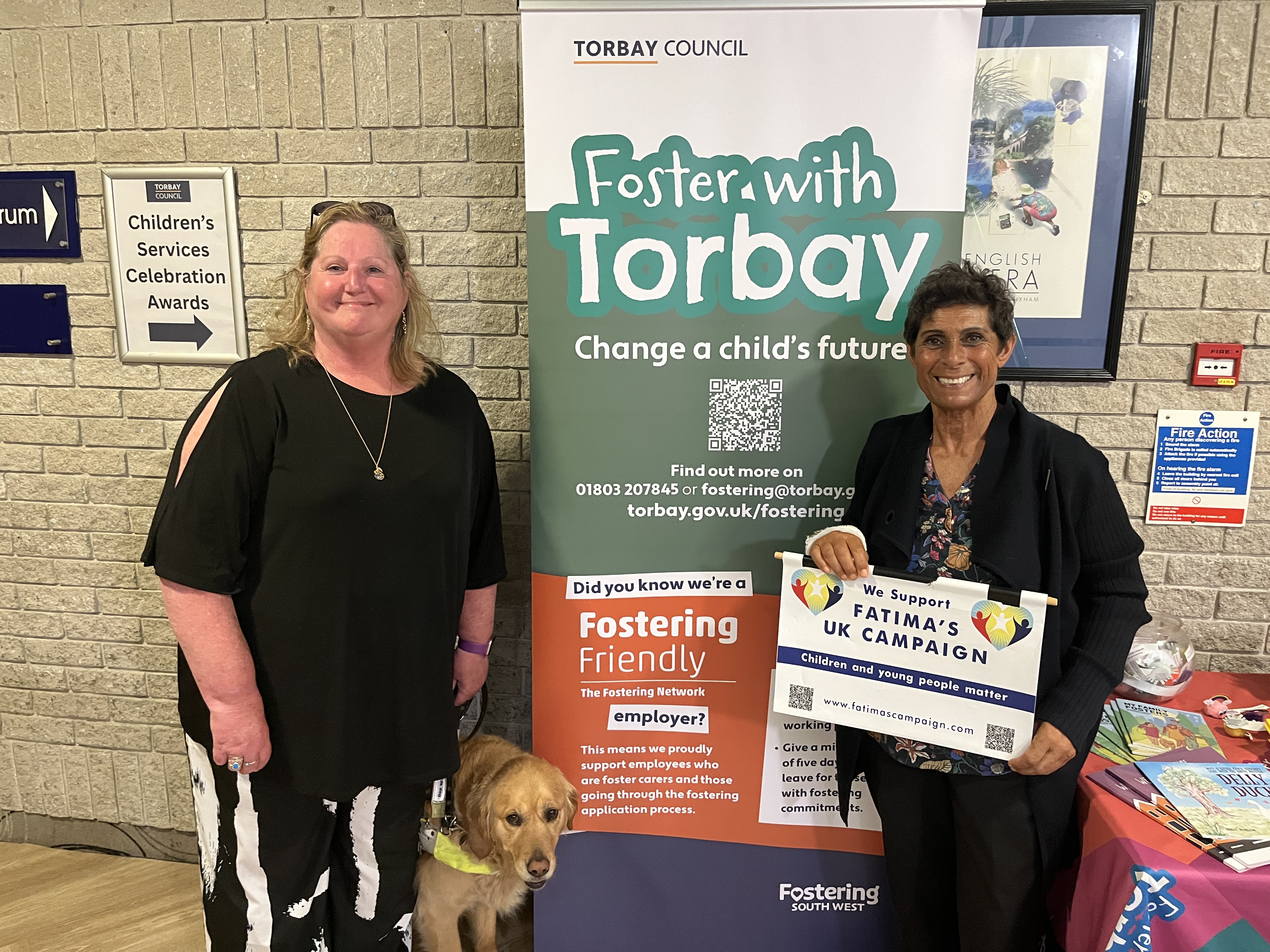
World javelin champion, former world record holder and twice Olympic medallist Fatima Whitbread MBE was the guest speaker at Torbay Council’s annual Children’s Services awards, held during Foster Care Fortnight (11-24 May 2026).
The awards ceremony, held for the fourth year in a row at the Riviera International Conference Centre on Wednesday 13 May 2026, celebrates the work of local Foster Carers and staff within Children’s Services at the Council. Awards were presented by Councillor Nick Bye, Cabinet Member for Children’s Services, Councillor Cordelia Law, Torbay’s Children’s Overview and Scrutiny Board, and Nancy Meehan, Director of Children’s Services for Torbay.
The awards are one of the ways Torbay Council celebrates the Children’s Services workforce and recognises their dedication and commitment. The Council is also currently recruiting to Children’s Services with a range of diverse and exciting roles available, and newly qualified social workers are supported via Torbay’s Learning Academy which is hosted by the Council.
Fatima Whitbread herself grew up in the care system and recently launched Fatima’s UK Campaign to support children in care and care leavers, aiming to help young people develop self-confidence, self-worth and life skills through improved support and resources.
Councillor Nick Bye, Cabinet Member for Children’s Services for Torbay said: “The Children’s Services Awards is an annual highlight for me and recognises the hard work and dedication of all those working in Children’s Services in Torbay including not only our staff but all our local Foster Carers as well, some of whom have been providing homes for Torbay children for twenty or twenty five years or more.
“We are so proud of the achievements of all the Children’s Services workforce here in Torbay and this is just one of the ways we like to celebrate. We are also currently recruiting staff to Children’s Services and we would love to hear from you if you wanted to join our team – visit our Torbay Jobs website to find out more.
“We were also thrilled to have Fatima Whitbread as guest speaker this year who talked about her experiences and how she overcame hardship to become an Olympic champion and her fantastic charitable work to support others.”
Categories of winners included:
Foster Carers –
The Creative Foster Carer
The Supportive Foster Carer
Helping in a Crisis.
Children’s Services staff –
Calm in the Eye of the Storm
The Hidden Gem, The Innovator
The Mountain Mover
Champion in Providing Outstanding Support to Children and Young People
Champion in Providing Outstanding Support to Parents/Carers
Champion in Providing Support to Provisions, Providers, or Partners
Outstanding Leaders Contribution
Restorative Practice Champion
Team of the Year.
Foster Care Fortnight (11 – 24 May 2026)
An annual campaign led by national charity The Fostering Network, the 2026 campaign theme for Foster Care Fortnight is ‘This is Fostering,’ focusing on showcasing real stories, celebrating the fostering community, and recruiting new carers.
There are still a number of Fostering information events taking place throughout May where you can speak to a member of Torbay’s Fostering team if you are thinking of becoming a Foster Carer.
Fostering information events throughout May
Sunday 17 May, 12pm to 2pm – Information drop in at Riviera International Centre (Aqua Lounge), Chestnut Avenue, Torquay, TQ2 5LZ
Thursday 21 to Saturday 23 May, 8.30am to 6pm – Devon County Show, Westpoint Arena, Clyst St Mary, Exeter, EX5 1DJ
Friday 29 May, 2pm to 10.30pm – English Riviera Airshow Day 1, Paignton Green, Esplanade Road, Paignton, TQ4 6BG
Saturday 30 May, 9am to 9.30pm – English Riviera Airshow Day 2, Paignton Green, Esplanade Road, Paignton, TQ4 6BG
Sunday 31 May, 9.30am to 8.30pm – English Riviera Airshow Day 3, Paignton Green, Esplanade Road, Paignton, TQ4 6BG
Earlier this week Annette from Torbay Council’s Fostering team gave an interview on Torbay Radio’s Brunch 2 Lunch show with Denise and Paula and you can listen to it here.
We are currently recruiting new staff to our Children’s Services so if you are a qualified social worker and want to join the team, take a look at our opportunities today and come join us at Team Torbay. Visit the Torbay Jobs website to find out more and apply.
A landmark affordable housing development in Torquay has received national and regional recognition after scooping two major industry awards for its social impact and contribution to affordable housing delivery.
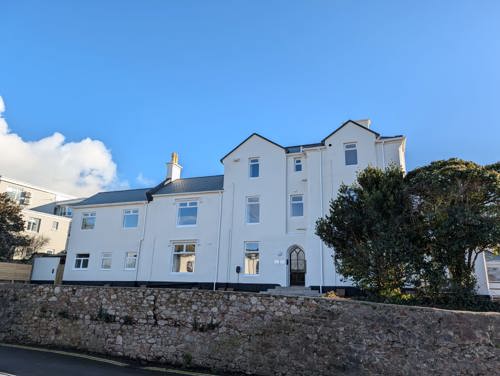
Brampton House, the flagship scheme delivered by Armada Property UK in partnership with us, has won the Social Impact Initiative award at the prestigious Property Week RESI Awards 2026, announced at a ceremony at London’s Grosvenor House on Wednesday 6 May.
The development had already secured regional success after being named Affordable Housing Development of the Year at the Insider South West Residential Property Awards 2026 on Thursday 23 April.
The Brampton House scheme transformed the former Brampton Court Hotel in Torquay, into 14 high-quality one and two-bedroom apartments for social rent. Delivered in less than nine months from planning approval, the project forms part of our pioneering ‘Hotels to Homes’ programme, which aims to repurpose under-used brownfield sites to help address local housing need.
The development was delivered collaboratively by us, Armada Property UK, and Co Create Architects, with more than 70 per cent of the project spend retained within the Torbay economy through the use of local contractors, merchants, tradespeople and suppliers.
Judges at the national RESI Awards praised the project for its “outstanding and genuinely transformative” impact, recognising the way the scheme had turned a previously harmful and under-used asset into high-quality affordable homes with “clear and measurable community benefit”.
The judging panel also highlighted the development’s role in improving local living conditions, reducing anti-social behaviour and creating employment and skills opportunities, describing it as “a powerful example of regeneration-led impact in action”.
Meanwhile, judges at the Insider South West Residential Property Awards said the project “could be transformational and has the potential to be a scalable model to tackle housing shortages, particularly in the UK’s ailing seaside towns.”
Cllr Alan Tyerman, Cabinet Member for Housing and Finance, Torbay Council, said; “Brampton House marks a major milestone for Torbay as the very first scheme delivered through our Hotels to Homes programme. It shows what is possible when we take a truly innovative approach to tackling the housing crisis by transforming a redundant brownfield site into high‑quality homes rather than building on precious greenfield land. This project demonstrates how the Council can work collaboratively with a private sector developer to meet local housing need in a way that is sustainable, sensitive to its surroundings and rooted in regeneration. We are incredibly proud that this pioneering model is now being recognised nationally, and we will continue to lead the way in delivering creative, community‑focused solutions for Torbay.”
Ben Coggins, Director at Armada Property UK, said: “We are incredibly proud that Brampton House has now been recognised with both regional and national awards. This development demonstrates what can be achieved when the public and private sectors work together with a shared commitment to addressing local housing challenges.
“Working alongside Torbay Council, Co Create Architects and our wider project team, we have transformed a redundant building into high-quality homes that are already making a real difference to local people’s lives.
“These awards are recognition not only of the finished development itself, but also of the wider social and economic impact the project has delivered for Torbay.”
Brampton House was the first completed project under our Hotels to Homes programme and welcomed residents before Christmas 2025. The scheme is being widely recognised as a model for how communities can creatively tackle housing shortages through regeneration and adaptive reuse.
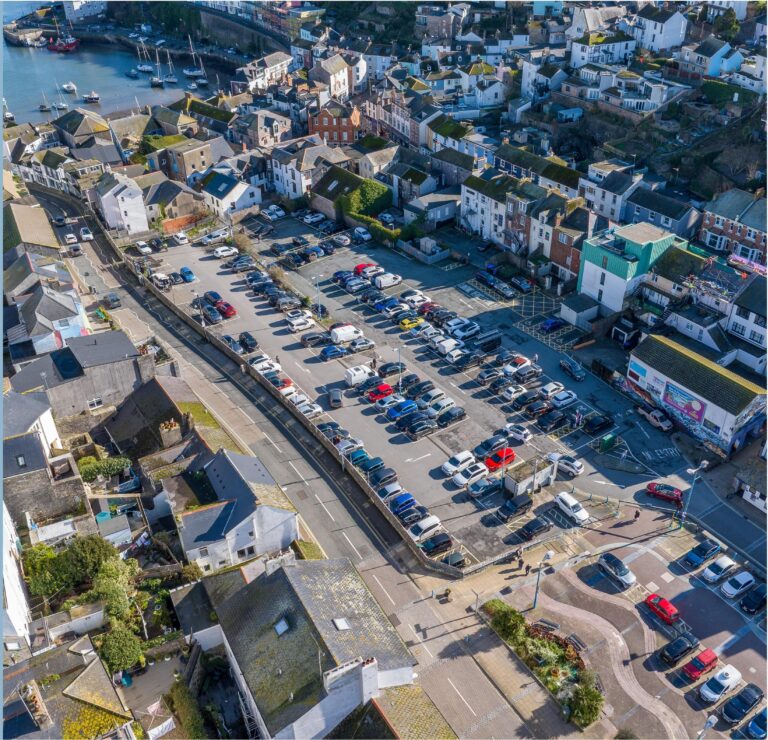
Residents, businesses and visitors are being invited to share their views on early plans to enhance Brixham Central and improve the experience of arriving in the town.
The project team wants to understand how people currently experience arriving in Brixham, including the quality of the arrival environment, satisfaction with parking, and how easy it is to find and access parking spaces. Feedback is also being sought on potential solutions and ideas that could make the area feel more welcoming, efficient and better connected.
Alongside exploring options for more centralised parking, the ambition is to create a more attractive gateway into the town, one that complements recent public realm improvements and strengthens the overall sense of pride.
The long-term goal of this project is to deliver a future-proofed solution that supports the town’s economic growth, improves movements and access, and creates a high-quality public realm in the heart of Brixham.
Cllr Chris Lewis, Deputy Leader and Cabinet Member for Place Development and Economic Growth at Torbay Council, said; “Brixham deserves a high‑quality arrival experience, no matter how you travel into the town or how often you visit. We want local people to help shape this work from the very start, before any designs are developed. Your insight will be essential in ensuring Brixham Central becomes a welcoming, efficient and better‑connected gateway to the town centre.”
Opportunities to view the emerging ideas and take part in the engagement process begin on Monday 11 May. A public drop-in event will be held on Thursday 14 May, from 3.30pm to 6pm, Scala Hall, Brixham, where members of the project team will be available to discuss the plans and hear feedback directly.
An online feedback platform will be available for two weeks, closing on Friday 22 May at 5pm.
This is a genuine opportunity for the community to influence the direction of the project before any design options are developed or taken forward to formal consultation. Everyone with an interest in the future of Brixham is encouraged to get involved and help shape the next steps for Brixham Central.
Plymouth families are being invited to take part in Let’s Get Chatting Plymouth 2026, a ten‑week citywide campaign designed to help parents and carers support babies’ and young children’s communication, language and development.
Launched through Plymouth’s network of Family Hubs, the campaign runs from May to July and focuses on the simple but powerful role that everyday conversation, play and listening can have on a child’s future. From pregnancy through to starting school, families will be supported with practical tips, reassurance and clear signposting to local help.
Each week of the campaign highlights a different theme, including noticing and responding to a child’s communication, building language through everyday routines, understanding key developmental milestones, and knowing when to seek extra support. Messages are tailored to different ages and stages, helping families feel confident that small moments – such as chatting on the walk to school, sharing a book or playing together – really do add up.
Family Hubs are at the heart of Let’s Get Chatting, offering welcoming, local places where parents and carers can access support. This includes drop‑in advice, stay‑and‑play sessions, parent support groups and Chatterbox groups, and connections to health visitors, early years settings, libraries and specialist services. Throughout the campaign, real voices from across Plymouth’s early years workforce will also highlight the range of help available to families.
Councillor Sally Cresswell, Plymouth City Council Cabinet Member for Education, Skills and Apprenticeships, said: “Talking and listening with children from the very earliest stages gives them the best possible start in life. Let’s Get Chatting is about reminding families that the everyday things they already do – chatting, playing and spending time together – are incredibly important. Family Hubs make it easy for parents and carers to get friendly, practical support close to home, and to ask for help early if they need it.”
The campaign also aims to reduce anxiety for parents by reinforcing that all children develop at their own pace, while making it clear that early support can make a real difference. Families are encouraged to contact their local Family Hub if they have any concerns or simply want ideas and reassurance.
More information about Let’s Get Chatting Plymouth 2026 and local Family Hubs can be found at www.plymouth.gov.uk/family-hubs
Families in Plymouth have seen real improvements in the support children and young people with special educational needs and disabilities (SEND) receive, and the Secretary of State has now confirmed that, as a result of this progress, the city’s SEND Improvement Notice has been officially lifted.
The decision means the government is satisfied that Plymouth has made the urgent changes needed following an Ofsted and Care Quality Commission inspection in 2023, and that services across education, health and care are now working better together, with children, young people and families at the centre.
In a letter received this week, the Secretary of State for Education recognised the “significant commitment, determination and hard work” that has gone into improving SEND support in Plymouth, and praised stronger leadership, better partnership working and clearer oversight across the system.
For families, this means a SEND system that is more joined‑up, more accountable and more focused on getting the right support in place at the right time. Since entering intervention, partners across the city have worked together to strengthen leadership, improve how decisions are made, and ensure services are planned around the needs of children and young people, not organisational boundaries.
The announcement follows a SEND monitoring visit completed in December 2025, which confirmed that progress was being made, and builds on earlier positive feedback from Ofsted about improvements in how the city works together to support children and families.
While the lifting of the Improvement Notice is an important milestone, Plymouth’s partners are clear that this is not the end of the journey. Work will continue to strengthen services further, improve consistency and make sure the changes being made translate into real, everyday improvements for children, young people and their families.
David Haley, Strategic Director of Children’s Services at Plymouth City Council, said: “This is really important recognition of the hard work that has gone on across Plymouth to improve support for children and young people with SEND. Most importantly, it reflects the collective commitment of our frontline staff, schools, health colleagues, parent carers and partners, who have worked together to put children and families back at the heart of everything we do.
“Lifting the Improvement Notice doesn’t mean the job is done, but it does show that we are moving in the right direction. We know there is more to do, and we remain fully committed to listening to families, working in partnership and continuing to improve services so children and young people with SEND in Plymouth can thrive.”
Susan Bracefield, Chief Clinical Officer at NHS Devon, said: “The lifting of the Ofsted improvement notice is welcome and, most importantly, it means better experiences and outcomes for children and young people with SEND and for their families across Plymouth. This progress reflects a shared commitment to listening to families, improving access to timely support, and working more closely around the needs of each child. I want to recognise the contribution of all health organisations providing acute and community services, and to thank health service leaders for their sustained leadership and collaboration throughout the improvement programme. Together, this work is helping to build more consistent, coordinated care that families can rely on and that supports children with SEND to thrive.”
Rob Williams, from the Tedd Wragg Trust, said: “This is a moment Plymouth should feel genuinely proud of. The lifting of the SEND Improvement Notice reflects a great deal of hard work across the city and a real commitment from schools, the local authority, health colleagues, families and partners to work together in the interests of children and young people.
“As place-based lead, I have seen the strength of that collective effort first hand. What matters now is that we build on this progress with honesty, care and ambition. There is still more to do, but this gives us a strong foundation to keep improving the experience of children, young people and families across Plymouth. The best work happens when we act as one city, with children at the centre, and this is an important step forward in that journey.”
Claire Paddon, from Plymouth Parent Carer Voice, said: “We were pleased to be involved in the local area partnership SEND monitoring visit. We are delighted that the improvement notice has been lifted and that as part of the local area partnership we will continue to ensure that the voice of parents shapes services”.