



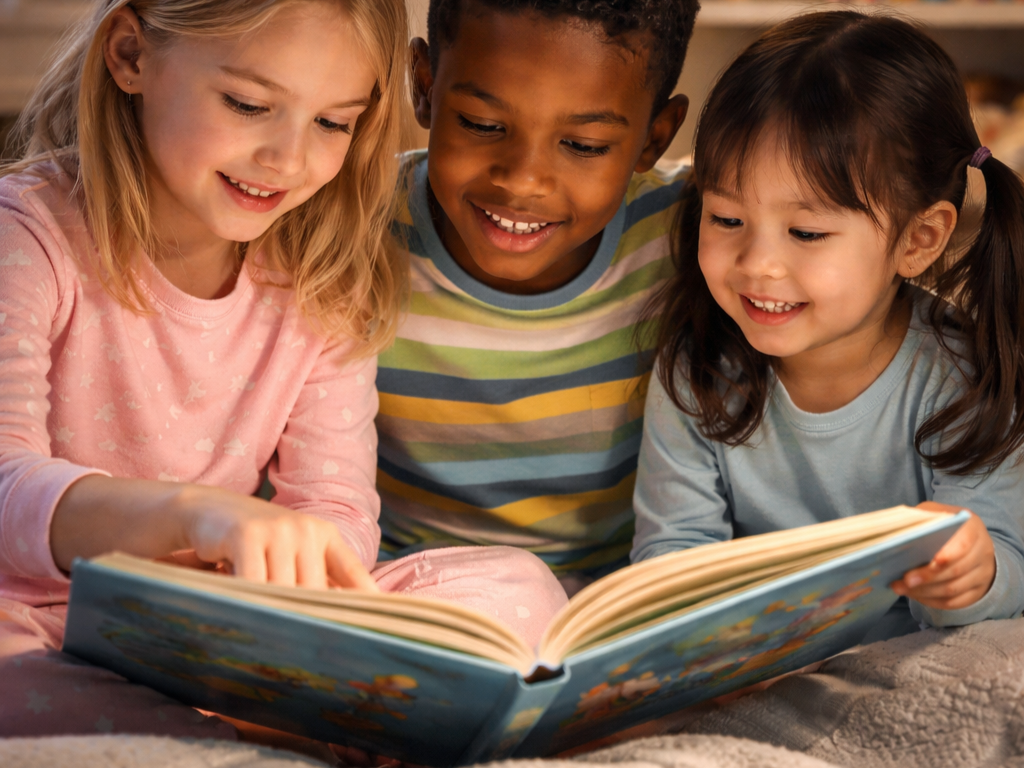
The simple act of reading a bedtime story can shape a child’s future – but MPs have warned that the joy of books is fading for many young people.
During a debate in Parliament on Thursday, March 5, politicians and ministers reflected on the power of reading, shared personal stories about books and family life, and raised concerns about falling reading rates among children.
Caroline Voaden, Liberal Democrat MP for South Devon, said World Book Day offered a moment to recognise the profound influence reading can have on children’s development and opportunities in life.
“World Book Day gives us a wonderful opportunity to discuss the power of reading, and we have heard some wonderful contributions about favourite books, much-loved authors and the transformative effect of a special book.”
Ms Voaden told MPs that helping children develop a love of reading could play a key role in tackling disadvantage and improving social mobility.
“Arguably the most important of Labour’s five missions for Government is breaking down barriers to opportunity for disadvantaged children, improving social mobility and seeking to lift children out of poverty,” she said.
“An incredibly powerful and often overlooked way of progressing towards those goals is by ensuring that more children are reading for pleasure, especially in their early years.”
Research shows the impact can begin very early in childhood.
“Young children whose parents read just one book a day to them will hear about 290,000 more words by age five than those who do not regularly read books with a parent,” Caroline said.
“Consistent, early exposure to books, rather than just infrequent reading, is crucial for closing a vocabulary gap that can stunt a child’s prospects all the way through school.”
She said parents needed to be supported and encouraged to read regularly with their children.
“I hope that the Government’s support of family hubs will include a focus on educating parents about the importance of early reading, because it is crucial that all new parents are aware of the powerful, transformational difference that it can make to their children’s life chances.”
Ms Voaden also reflected on the role reading had played in her own family life, describing the emotional connections formed through sharing stories.
“Last Friday night, I had the pleasure of reading ‘The Gruffalo’ to my 18-month-old grandson. It was the first time that I have sat and read him a bedtime story, so I am starting again that long journey of reading to children.”
“When I was a rather frazzled single parent of two young children, I remember that my mum would sit calmly and quietly with the girls and read them stories when I did not have the headspace. It was a lovely thing to see, and they developed a very special bond.”
But despite the well-documented benefits, MPs heard that reading for pleasure is declining sharply among young people.
Ms Voaden said recent research painted a worrying picture.
“The current state of children’s reading in this country is deeply concerning,” she said.
“Reading rates are plummeting: the National Literacy Trust’s annual literacy survey found that in 2025 the percentage of children and young people who said that they enjoy reading was at its lowest level in 20 years.”
“Just under a third of children aged eight to 18 said that they enjoyed reading in their free time last year – that is a shocking decrease of 36% over the last 20 years.”
“Less than a fifth of eight to 18-year-olds said that they read something daily in their free time last year.”
She also highlighted differences between boys and girls when it comes to reading habits.
“Some 39.8% of girls aged eight to 18 said that they enjoy reading, compared with just a quarter of boys,” she said.
“That gap has expanded massively in recent years.”
Access to books remains a major barrier for many children, particularly those from disadvantaged backgrounds.
“The National Literacy Trust’s research found that one in ten children and young people reported having no books of their own at home, rising to one in six for those who receive free school meals,” she said.
Libraries, Ms Voaden argued, remain vital in tackling that problem.
“The importance of a child having the opportunity to choose any book they like and take it home for free cannot be overestimated, especially for those who cannot afford to buy new books.”
At the same time, she warned that growing screen use among young people was competing directly with reading.
“Children are being engrossed by addictive algorithms, swiping through TikTok rather than investing time and attention in a book.”
The Parliamentary under-secretary of State for Education Olivia Bailey agreed that the decline in reading enjoyment was a major concern, describing it as a priority for the Government.
“World Book Day is a fantastic worldwide celebration of books and reading, marked in more than 100 countries around the world,” she said.
“We know that reading for pleasure is hugely important and brings a wide range of benefits from increased wellbeing, confidence and empathy to better vocabulary and aptitude for learning.”
But she acknowledged the scale of the challenge.
“Yet just one in three children says that they enjoy reading, which is an all-time low.”
In response, the Government has launched the National Year of Reading campaign to encourage more people to rediscover books.
“The National Year of Reading campaign, ‘Go All In’, emphasises that reading is a great way to explore and deepen our interests and passions,” she said.
“Put simply, if you are into it, read into it.”
The campaign includes events and activities across schools, libraries and communities across the country.
“Regardless of what we choose to read, the year is packed full of exciting events, webinars, resources and activities happening in communities, libraries, schools and early years settings up and down the country.”
The Government has also pledged funding to support reading in schools and libraries.
“I am delighted that this Government have committed more than £10 million to ensure that every primary school in England will have a library by the end of this Parliament,” she said.
Despite the challenges, MPs from across the House agreed on one central message – that reading remains one of the most powerful tools a child can have.
Ms Voaden added: “Every child deserves the chance to find a book that changes their life.”
“Let us celebrate World Book Day and all the other initiatives designed to get children and adults reading for pleasure. The opportunities, ideas, dreams and passions it can unlock are endless.”