



A row over whether to switch council vehicles to a greener fuel has been dragged back into the spotlight after councillors challenged a decision to delay action for another year.
Members at Torridge District Council are set to scrutinise a vote that rejected a proposed trial of hydrotreated vegetable oil (HVO) in the authority’s fleet and instead opted to wait for further information.
The decision was taken at a meeting of the community and resources committee on Monday, February 2, where councillors debated whether the council should begin using the renewable fuel as a replacement for diesel in operational services vehicles.
A motion proposing a 12-month trial of HVO was put forward by Cllr Hames and seconded by Cllr O’Rourke. However, the proposal was defeated after a vote of four in favour and six against.
Councillors instead backed a separate motion from Cllr Lock, seconded by Cllr Elliott, agreeing to take no action for the next year while more robust information is gathered before reconsidering the issue. The motion passed by seven votes to three.
The decision has since been formally called in by Cllr D Smith, Cllr W Lo-Vel, Cllr C Bright, Cllr H Thomas and Cllr C Hodson, meaning it will now be reviewed by the council’s internal overview and scrutiny committee.
A report prepared for councillors states that fleet vehicles account for around 710 tonnes of carbon emissions, roughly 40 per cent of the council’s total carbon footprint.
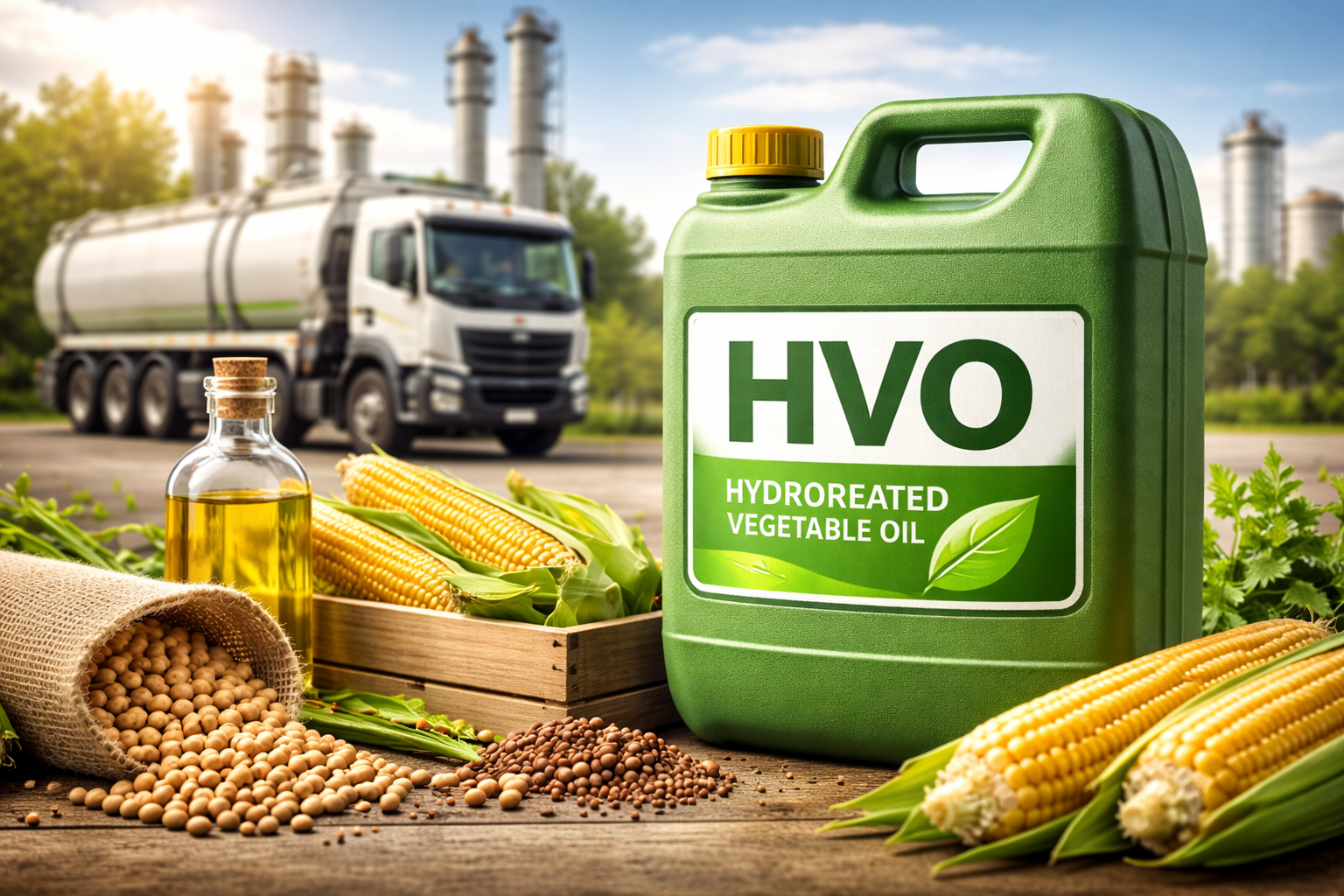
HVO is a renewable fuel made from feedstocks such as vegetable oils, animal fats and waste oils. It can be used in existing diesel engines without modification and suppliers claim it can significantly cut emissions compared with standard diesel.
However, councillors were warned there are concerns about the sustainability of some HVO supply chains and whether feedstocks are genuinely derived from waste products.
According to the report, the council’s operational services use about 319,000 litres of fuel each year, and switching to HVO could cost the authority an additional £70,180 to £124,410 annually, depending on supplier and bulk discounts.
Cllr Leather said: “As lead member for operational services I cannot support the huge increase in cost that this proposal would cause to our waste services.
“There are conflicting issues regarding sustainability and a robust verification process on the ‘green’ products used in creating HVO.”
Cllr Hames said: “Given our council’s target of becoming carbon neutral by 2030 the use of HVO fuel should be further considered as an interim measure to contribute to this target, subject to full consideration of the evidence regarding sustainability and cost.
“However, priority should be given to purchase of battery powered vehicles to meet the council’s operational needs.”
Councillors will now review the earlier decision as part of the call-in process before determining whether any further action should be taken.