

Home Blog Page 45

Row erupts as historic villa parking plan approved despite protests

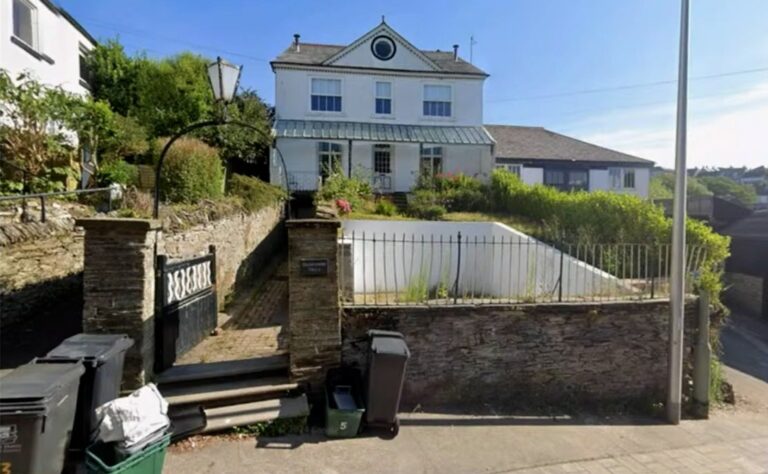
A bitter row over heritage, safety and modern living has ended with councillors backing a controversial plan to carve out parking at a historic villa.

Members of South Hams District Council’s planning committee approved a retrospective application to create an off-street parking space at Duncombe Villa in Kingsbridge, despite strong objections from town councillors and local representatives.

The scheme involves excavating part of the front garden, rebuilding a section of boundary wall and creating access to a new parking area within the property, which sits in the Kingsbridge conservation area.

Planning officer Joanna Noble told the committee the proposal included reinstating the historic stone wall using salvaged materials and matching railings, alongside a three-metre access opening.

Ms Noble said: “The stone boundary wall is a key feature that needs to be preserved and contributes to the heritage value of the conservation area.”

She added that while some works had already taken place without permission, the revised plans would “remediate that harm” and were considered acceptable, subject to conditions.

Concerns had been raised over drainage, traffic safety and the impact on heritage. However, the council’s drainage and highways officers concluded the scheme would not create significant issues, with measures proposed to manage surface water and prevent loose material from entering the road.

Ms Noble said reverse parking into the space from the one-way street was “not uncommon” and had been deemed acceptable by highways officers.

Applicant Adrian Witherspoon, who bought the property with his wife Lisa in 2022, said the house had been in need of major restoration and that the wall had been unsafe.

Mr Witherspoon said: “We are a hundred percent committed to restoring the house back to its former grandeur.”

He told councillors part of the wall had been leaning dangerously over the pavement for decades and that works had been discussed with county council representatives before being carried out.

Mr Witherspoon added: “A scheme has been drawn and submitted… sympathetic to the property and surrounding areas.”

But Kingsbridge Town Council objected strongly, arguing the development would harm one of the town’s identified heritage assets.

Cllr Martina Edmonds said: “Kingsbridge Town Council strongly disagree with the heritage officer’s assertion, that the harm done to the conservation area will be magically fixed.”

Children’s parade on VE Day outside the house

She also criticised the appearance of new elements.

Cllr Edmonds said: “These appear to have nothing in common with the many stone walls that surround the property.”

Ward member Cllr Denise O’Callaghan echoed those concerns, highlighting both heritage and safety risks.

Cllr O’Callaghan said: “I would say that this causes harm to this historic setting.”

She added that the location, near a zebra crossing on a downhill one-way street, raised concerns about vehicles reversing into the space.

Cllr O’Callaghan said: “If you’ve got someone reversing in that context almost on the zebra crossing, then I think that is a concern.”

Cllr Jacqi Hodgson also spoke against the plans, warning about the broader impact of prioritising cars over historic environments.

Cllr Hodgson said: “We allow damage to our heritage areas… and if we’re not careful, we can allow cars to be the new architects.”

She proposed refusal, arguing the loss of the garden setting represented “a pretty big loss to the area”.

Planning officers maintained the proposal would restore the street-facing wall and have a neutral overall impact on the conservation area.

The application was approved with conditions, including requirements for drainage works and the use of appropriate stone materials to match the original boundary wall.


Tribute tournament set to unite teams and raise funds after tragic loss

A grassroots rugby festival born from heartbreak is set to bring teams together in a powerful tribute to a much-loved mother, while raising awareness of a devastating illness that changed her family’s life.

The Julie Owen 10’s Festival will take place at Tiverton Rugby Club on Saturday, August 22, bringing together 16 teams to compete in a one-day tournament aimed at celebrating Julie Owen’s life and legacy.

Julie was described by her family as “the heart of her family and her rugby community” — a devoted mother and constant presence on the sidelines. Following her death after being diagnosed with glioblastoma, organisers say the event has been created to honour her memory while raising awareness and funds.

The festival, organised in collaboration with The Brain Tumour Charity, will feature rugby matches, live music, food and drink, as well as charity events including an auction.

Entry for teams is set at £300, with squads of up to 15 players taking part in the 10-a-side format. The deadline for entries is Sunday, June 29.

In a statement shared by her family, they said: “This is not just a rugby tournament. This is something far bigger. This is about love, legacy, and purpose.

“This is Julie Owen’s story and the fight to make sure no other family has to go through what we did.”

They added: “Our mam was not just a rugby supporter. She was the kind of person who showed up for everyone.

“Rugby was a huge part of our lives but her impact went far beyond the pitch. Whether you played, watched, or just walked through our front door, you felt it.”

The family described how Julie and her husband travelled the country together supporting rugby, standing on the sidelines in all weather and supporting not just their son Michael, but many others.

They said: “It was never just about the game. It was about family, community, and showing up for people together.”

Julie was later diagnosed with glioblastoma after suffering headaches, memory lapses and a seizure.

The family said: “What started as headaches and small lapses in memory quickly became something far more serious.

“A seizure led to a diagnosis that we were simply not prepared for. Glioblastoma. Grade 4. Inoperable. Untreatable. Terminal.”

They said Julie chose to decline treatment in order to make the most of the time she had left, with her family caring for her at home.

They added: “We laughed, we cried, and we made every single moment count.

“Those months were the hardest of our lives, but they also showed us exactly who she was – strong, selfless, and full of love.”

The family said her death has left a lasting impact but has also given them purpose.

They said: “No family should have to face this disease the way we did.

“Glioblastoma is aggressive, relentless and devastating. Survival rates remain desperately low, with less than 10% surviving longer than five years. Research is severely underfunded and prevention is unknown.

“That has to change.”

Organisers are also seeking sponsorship support, with packages available ranging from £500 to £8,000, offering branding opportunities and event-day visibility.

Those wishing to enter a team or discuss sponsorship opportunities can contact Michael Owen on 07805 063949 or Sarah-Jayne Bray on 07791 103549. Entries can also be made via email at michaelowen511@hotmail.com.

A QR code has also been provided by organisers for donations to a GoFundMe page supporting the cause.

Devon firefighters face triple emergency during exhausting night shift

Fire crews tackling an urgent underground rescue were suddenly diverted to a blazing car on a major Devon road – before being called out yet again in a demanding overnight shift.

Firefighters from Newton Abbot were initially mobilised during the night to assist colleagues in Plymouth with an underground rescue. However, while en route, the crew received an urgent update from the control room redirecting them to reports of a vehicle fire on the A38 near Ivybridge.

The crew arrived on scene just 21 seconds after being informed of the incident, where they found an internal combustion engine vehicle well alight, with flames and smoke issuing from all areas.

The incident commander instructed the appliance driver to block both lanes and close the highway to ensure safety. Two firefighters wearing breathing apparatus were then committed to tackle the blaze.

Crews used a hose reel jet to extinguish the fire and deployed battery-operated spreaders to force open the bonnet and doors, ensuring no remaining flames or hot spots.

Firefighters from Ivybridge also attended, providing additional water supplies and assisting in managing water run-off to minimise environmental impact.

Despite the lengthy operation, the night was not over.

While returning to station, the crew was mobilised to a third incident as they approached Newton Abbot. This time, firefighters were required to assist an occupant trapped inside a bedroom after a door mechanism failed.

To avoid damaging the front door, crews used a 13.5-metre ladder to access the fourth-floor window. A firefighter then used small tools to open the bedroom door from inside, allowing the occupant to be safely released.

After returning to the station, crews cleaned equipment and replenished supplies before finally finishing at around 0430, leaving only a short window for rest before the next shift.

Crews tackle fierce library roof fire after dozens of emergency calls

A library avoided major damage after a fire broke out on its roof, triggering dozens of emergency calls and a large-scale response.

Firefighters were called to Teignmouth Library in Devon at about 1.25pm today after fire control received multiple reports of flames coming from the roof.

Crews from Dawlish, Torquay, Newton Abbot and Teignmouth attended the scene, alongside an aerial ladder platform from Torquay. On arrival, firefighters gained entry to the building and confirmed flames were issuing from the roof.

Four appliances were mobilised in total, with crews isolating solar panels before using water jets to tackle the blaze. Firefighters used three hose reel jets and one 45mm jet to extinguish the fire.

Devon and Cornwall Police attended to assist with traffic and crowd control while emergency services dealt with the incident.

The fire was brought under control at about 2.25pm and the incident was later confirmed closed at 7.46pm.

A spokesperson for Devon and Somerset Fire and Rescue Service said the blaze caused around ten per cent damage to the roof, but did not spread inside the building.

A library spokesperson said: “Unfortunately there was a fire on the roof of Teignmouth Library earlier today which looks like it was caused by a battery on the solar panels. We are incredibly grateful to Devon and Somerset Fire and Rescue Service who promptly put out the fire. Luckily the fire did not penetrate the building and was isolated to the roof.

“As we were closed today we are also very grateful to members of the public for alerting the emergency services. We’re currently assessing the damage to see what works need to be carried out before we can reopen. Please keep an eye on socials for any updates.

“In the meantime you can use any other Libraries Unlimited library in Devon or Torbay and any loans from Teignmouth will not be subject to late fees. You can also access ebooks and audiobooks for free online from BorrowBox with your library card.

“Fire brigade had 61 calls and were there very quickly.”

Fire crews later confirmed the cause of the blaze was accidental.

Building collapse risk forces evacuations and road closures in Plymouth

0

Fears a residential building could collapse have triggered emergency measures, forcing people from their homes and bringing major disruption to roads and public transport.

An exclusion zone has been put in place around the Evolution Cove block in Stonehouse after concerns were raised about the structural integrity of the building.

The move has led to road closures, diversions and the suspension of bus services in the area, particularly affecting routes towards Royal William Yard. Plymouth City Council said traffic conditions are difficult, with longer journey times and restricted access through the area.

The council said it is working with Citybus to find a “safe and workable solution”, but warned that buses will not be able to operate through the affected area in the meantime. People have been advised to consider alternative travel arrangements.

In a statement, the council said it recognised “the disruption that the road closures and diversions… are causing” and acknowledged the impact on residents, visitors and local businesses.

Officials said the restrictions are necessary due to a “serious risk to life” and stressed that public safety remains the priority.

On Friday, April 17, an exclusion zone of 27 metres was established around the building in Durnford Street as a precaution against a potential collapse.

Residents living in nearby properties in Emma Place Ope have been informed of the risk and encouraged to temporarily leave their homes if possible. The council said support will be available for those who have nowhere else to stay.

Several roads and pavements have been closed, including parts of Emma Place Ope, Emma Place, Barrack Place and Durnford Street. A temporary signal-controlled diversion route has been introduced, while pedestrians can still access the wider Stonehouse peninsula via the western footway along Durnford Street.

The building had already been vacated on March 20 by its management company, Centrick, after cracking was identified in the concrete frame within the car park. Residents were warned at the time of a potential collapse risk until structural supports could be installed.

Although the propping work was initially expected to begin immediately, delays have occurred due to the complexity of the work. Authorities now believe the condition of the building may have deteriorated further.

A prohibition order was issued by Devon and Somerset Fire and Rescue Service on Thursday, April 16, preventing all access to the block, which has since been secured.

Agencies including Plymouth City Council and the fire service have been working with the building’s managers to assess the extent of the structural issues and the level of risk.

The council said the decision to introduce the exclusion zone followed an assessment of the potential danger to nearby residents, pedestrians and road users.

Gary Walbridge, strategic director for adults, health and communities at Plymouth City Council, said: “Decisions about asking residents to leave their homes and closing roads are not taken lightly.

“The information we have is that there is a potential serious risk to the public if we keep the area open. The safety of residents, pedestrians and drivers must come first.

“We will continue to monitor the situation and will work with the building’s managers and our partners to reopen the roads and nearby properties once there is assurance that the building has been made safe.”

The council said it will continue to provide updates and will remove restrictions as soon as it is safe to do so.

Playzone future in doubt as rising costs force council rethink

Ambitious plans to transform outdoor sports spaces across the district are facing a financial hurdle, with rising costs forcing councillors to consider scaling back the project.

A report presented to Torridge District Council outlines a funding shortfall of up to £98,006 for three proposed “Playzone” sites, prompting discussions over whether one location should be dropped to make the scheme viable.

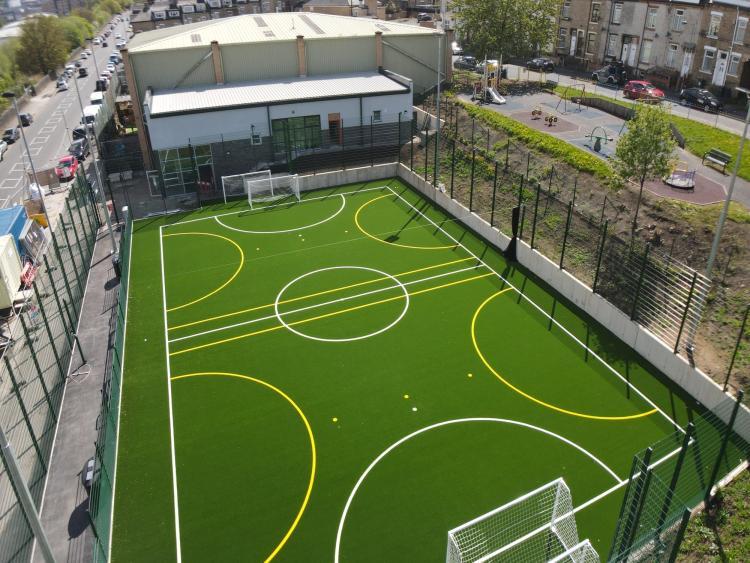
The Playzones are designed as safe, inclusive and accessible outdoor facilities aimed at encouraging football and other sports, particularly among groups facing barriers to participation.

Councillors had previously approved £105,000 towards developing three sites in Holsworthy, Bideford and Great Torrington, with additional backing from town councils, charities and a £715,551 contribution from the Football Foundation.

However, updated figures show construction costs have increased significantly over the past 12 months, leaving gaps in funding across all locations. The total shortfall could reach £98,006 if all three sites proceed, or £73,006 under a reduced option at one site.

If the council decides to focus on just two sites, the funding gap would drop to around £38,000.

The Bideford site at Pollyfield has become a particular point of contention, with objections raised by the local community centre and residents. Concerns include the loss of open green space and increased pressure on parking.

Cllr Huw Thomas said: “While I support providing additional facilities for the people of ETW and Bideford, I do not believe this is the right place for such a facility.

“The proposed site is the only area of flat land at the Pollyfield with unrestricted access and is regularly used by many people, young and old, for games, dog walking and general leisure.

“The loss of this public open space would be very unpopular and would create a lot of resentment towards the council.”

He added that the development would “inevitably add to pressure on the car park”, which is already heavily used.

Cllr Jude Gubb also raised concerns following feedback from residents.

“I have had a couple of emails not supporting the play zone, mainly because of the space that it will be taking up and loss of free area for the public to use,” she said.

“For the Pollyfield Centre, the big issue will be parking, in an already crowded car park. I do not think the parking was considered at all.”

She added that, while she initially supported the idea, the views of the community and the centre meant the site was no longer considered suitable.

In contrast, lead member for leisure Cllr Lyndon Piper backed the wider scheme, describing it as “a wonderful opportunity to improve sport and play facilities”.

He said: “A decision needs to be made on the quantum of facilities to be provided, balancing risks and prioritising facilities where the need and community support is strongest.”

All three proposals are currently within the planning process and are expected to be considered by planning committees in May and June.

The report recommends that councillors consider using council reserves to cover the funding gap and review whether the Pollyfield application should be withdrawn if it is no longer viable or supported.

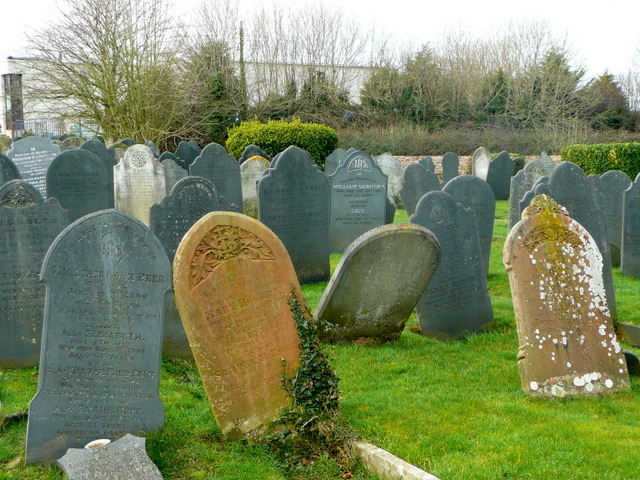
Digital grave maps on the way as Torridge eyes cemetery system upgrade

A long-serving cemetery records system could soon be laid to rest as councillors consider a digital overhaul aimed at improving accuracy and access for bereaved families.

Torridge District Council is being asked to approve plans to replace its existing CemeteryPro system with a cloud-based alternative, PlotBox PRO, amid concerns the current platform is outdated and no longer fit for purpose.

The council manages four cemeteries across the district and handles between 80 and 100 burial or ashes interment applications each year. Alongside this, the cemeteries team is responsible for granting burial rights, processing memorial applications, managing exhumations, and maintaining health and safety standards.

Despite generating limited income, the service fulfils statutory duties and plays a key role in supporting families during sensitive periods, with accurate and accessible records described as critical to its operation.

The report, dated Monday, April 27, outlines how the current system relies heavily on manual processes, lacks public-facing access, and carries risks linked to data inaccuracies. These issues could increase the likelihood of errors, including the misallocation of burial plots, and place additional strain on staff.

Under the proposal, PlotBox PRO would introduce a single digital system of record, including mapped burial plots and online access for staff, funeral directors, memorial masons, and the public.

The system is already in use at several councils in the South West, including Somerset, Bristol and Bournemouth, Christchurch and Poole, and is intended to modernise operations while improving efficiency and reliability.

The report states the new platform would reduce operational errors, improve service delivery, and support digital transformation. It would also allow for better data sharing and continuity as part of Local Government Reorganisation, with a scalable system that is independent of local infrastructure.

Financially, the first year of implementation and subscription is expected to cost £37,298 plus VAT, followed by an annual fee of £4,500 plus VAT, funded from council reserves.

The report highlights legal and reputational risks if the current system remains in place, warning that inaccurate records could lead to disputes, compensation claims, and a loss of public confidence in bereavement services.

It also points to wider benefits, including reduced paper use, improved accessibility through online services, and enhanced data security through modern authentication systems.

Councillors are being asked to approve funding for the new system, with the report concluding that replacing the existing software is essential to maintain and improve the service while ensuring resilience for the future.

Plans to expand mobility scooter use raise concerns over public safety

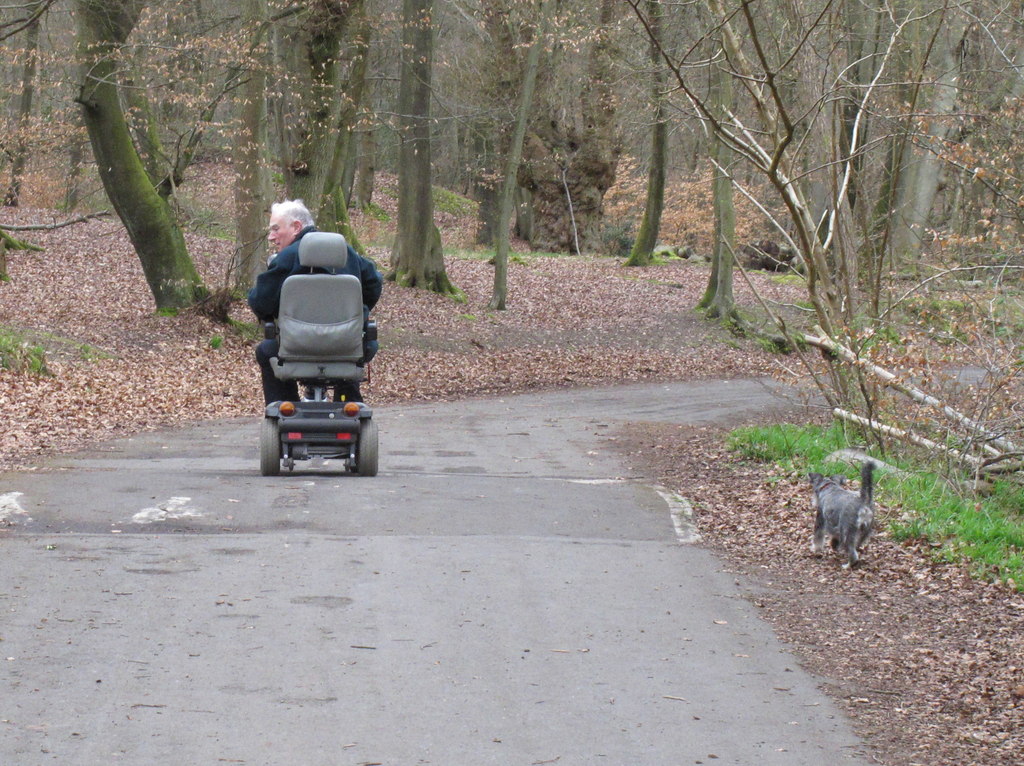
Proposals to overhaul the rules governing mobility scooters and powered wheelchairs could transform how thousands of people travel, but concerns remain over safety and access.

The Department for Transport is reviewing legislation covering powered mobility devices, including where they can be used and how fast they can travel. The consultation, which closes on Tuesday, April 22, has drawn responses from organisations including the Devon Countryside Access Forum.

The forum, responding on behalf of its eighteen members, said it “strongly agree[d]” with all four objectives set out in the review. These include ensuring disabled people can legally use necessary mobility devices, allowing greater choice, and protecting both safety and public confidence.

It added that the objectives “would appear logical and contribute to inclusivity being a key principle”.

Under current rules, Class one, two and three mobility devices can be used on pavements and pedestrian areas at up to four miles per hour. Class three devices can also be used on most roads at speeds of up to eight miles per hour.

However, the consultation is considering whether these devices should also be allowed in cycle lanes and on cycle tracks.

The forum said allowing mobility devices in road cycle lanes “would be logical”, but warned that “cyclists might be more vulnerable in a collision situation”. It also highlighted practical barriers, including a lack of dropped kerbs and poor pavement conditions, which may make cycle lanes a safer option in some cases.

On off-road cycle tracks, the forum supported wider access for mobility devices, including wheelchair power add-ons, but suggested a lower speed limit of four miles per hour to protect other users such as children, dog walkers and horse riders.

It noted that some routes, including the Granite Way, Tarka Trail and Exe Estuary Trail in Devon, would be suitable for such use, while narrower paths in woodland or managed estates may not be accessible.

The response also raised concerns about increasing device speeds and specifications, stating that safety on shared routes must remain a “primary consideration”.

The consultation further explores whether powered mobility devices should be allowed to exceed eight miles per hour in cycle lanes. The forum cautioned that cycle lanes were originally designed to separate motor traffic from more vulnerable users, and introducing larger powered devices could create new risks.

It also backed proposals to classify wheelchair power add-ons under existing mobility device rules, particularly for use on off-road cycle tracks.

In its final comments, the forum described the consultation as “difficult to deal with”, adding that many questions were “too open-ended” and dependent on variables not clearly defined.

The Department for Transport said feedback from the consultation will help determine whether and how current laws should be updated.

Warning issued over gaps in Tiverton development access plans

A major housing development has come under scrutiny amid warnings that key details around access, transport and green space planning remain unclear.

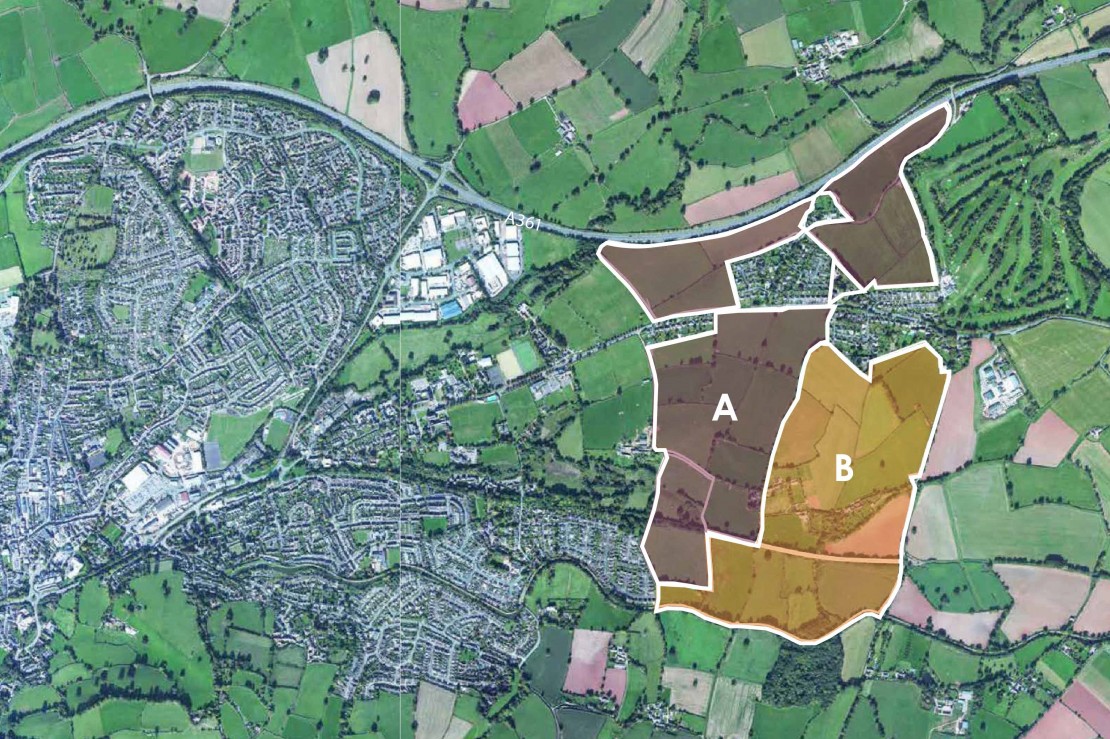
Concerns have been raised over proposals for the Tiverton Eastern Urban Extension (Area B), with advisers warning that gaps in planning could affect how residents travel, access green space and use local facilities.

The Devon Countryside Access Forum, a statutory advisory body, said more detailed information is needed before an informed decision can be made on the application.

The forum, which provides independent advice on improving public access to land for recreation, discussed the plans at a meeting on Monday, January 19.

In a letter dated Thursday, January 22, to Mid Devon District Council, forum officer Hilary Winter outlined several areas of concern.

The forum said existing maps lack clarity and do not adequately show how walking, cycling and other active travel routes would connect across the site and into the wider area.

It warned that infrastructure had not been designed in a way that properly supports walking and cycling, adding that clearer planning is needed to encourage sustainable travel and access to nearby destinations, including the proposed country park and the Grand Western Canal.

Members also raised concerns about how a proposed shared-use route linking Manley Lane to the National Cycle Network would connect to the housing development, suggesting a more direct route may be preferable.

Details about the surfaces of footpaths and cycle routes were described as insufficient, while the forum said low-level lighting may be needed to ensure safe use, particularly for children and young people.

The forum questioned assumptions in the transport assessment that the proposed country park would generate little additional traffic.

It said such estimates “make no sense”, warning that the popularity of green spaces, especially for dog walking, could lead to higher-than-expected vehicle use.

Concerns were also raised that limited parking on Manley Lane may not be enough to meet demand.

The proposed countryside park was highlighted as a key feature of the development, but the forum noted it spans multiple landowners and is not fully included in the current application.

It called for a “holistic design” approach involving all stakeholders to ensure the park is properly planned, managed and maintained.

The forum also challenged the suggestion that the development would have negligible impact on the nearby Grand Western Canal Country Park.

It added that strong walking, wheeling and cycling links would be vital, particularly as some parts of Tiverton have high levels of households without access to a car.

Further concerns included a lack of clarity over section 106 contributions across multiple developers, and the need for a coordinated approach.

The forum also suggested appointing a team, including a ranger, to promote active travel and use of the countryside park, citing successful examples elsewhere.

In addition, it said the application does not fully explore potential travel links to the east, including connections towards Halberton and Tiverton Parkway.

The Devon Countryside Access Forum said it hopes its comments will be taken into account as part of the decision-making process and has requested feedback from the council.

Millions face stealth tax hit as frozen thresholds drag earners higher

0

A growing number of households are being pulled deeper into the tax system as frozen thresholds continue to bite, with experts warning the impact is quietly compounding across income, savings and inheritance.

Much of the debate around so-called “fiscal drag” has focused on income tax, where thresholds have remained unchanged for an extended period. The personal allowance of £12,570 and the higher rate threshold of £50,270 are set to remain frozen until April 2031, a move expected to push significantly more people into the 40% and 45% tax bands.

Selaine Saxby, a former MP who has since qualified in regulated financial planning, said the effects are increasingly being felt by ordinary taxpayers, including pensioners who are now more likely to fall into higher tax brackets.

The freeze on National Insurance contributions thresholds, combined with rising wages, is also drawing more employees and employers into higher contributions. This is particularly affecting sectors such as hospitality, where rising minimum wages are adding further financial pressure.

Selaine said the policy is a “significant revenue earner” for the Treasury, especially when combined with inflation. She pointed to a compounding effect, where moving into a higher tax band can trigger increases elsewhere.

She explained that higher rate taxpayers face increased charges on savings interest and capital gains tax, which has risen from 18% to 24%, while the allowance is set to fall to £3,000.

The same freeze on thresholds is also affecting inheritance tax. The personal threshold has remained at £325,000 since 2009, with the Office for Budget Responsibility forecasting that 6.3% of estates will be liable by 2028–29, compared with 2.7% in 2009–10.

Separate analysis by wealth manager Quilter suggests up to 35,000 additional families could be pulled into the High Income Child Benefit Charge over the next three years, reducing the value of government support.

According to forecasts, the overall tax burden is expected to rise from 34.5% of GDP in 2024–25 to 38.5% by 2030–31.

Selaine said that while financial advice can help improve tax efficiency, fiscal drag is likely to continue increasing the burden on households unless there is a change in government policy.