We will be investing almost £20 million over the next four years to support Plymouth’s bus services and help people walk and cycle more.
A £19.1 million programme has been agreed to support the work of the Plymouth Enhanced Bus Partnership (the partnership between the Council and local bus operators) and delivery of the city’s Bus Service Improvement Plan.
Funded by just over £17.165 million from the Department for Transport (through its Local Transport Consolidated Funding Settlement), supported by developer contributions of just over £1.939 million, it will respond to the nine passenger priorities identified in the plan: frequent; reliable and faster; affordable; safe; clean; simple and understandable; direct and connected; accessible and modern.
It will enable improvements including:
increased operating hours
better bus stop infrastructure (such as timetable cases, flags and bus stop clearways)
better passenger information (including at local bus and train stations)
improvements at the park and ride sites (including a formal crossing at Milehouse Park and Ride)
measures to make bus journey times quicker and more reliable
bus priority measures (such as bus stop/lane enforcement cameras)
measures to support the modernisation and decarbonisation of the Plymouth bus fleet.
Alongside the bus investment a further £872,667 from the Department for Transport’s Integrated Transport Fund is being made available to continue the Plymotion programme, which provides adult cycle training, led rides, bike maintenance and led walks, as well as a schools engagement programme.
The funding will also support wider public engagement campaigns such as the Big Green Trail and help with developing the Council’s next Local Transport Plan.
Councillor John Stephens, Cabinet Member for Strategic Planning and Transport, said “We recognise how important it is to have a transport network that is safe, reliable and accessible for everyone.
“By continuing to invest in improving bus journey times, reliability, network coverage and accessibility we hope to ensure Plymouth’s buses are available for the journeys residents and visitors need.
“And by continuing programmes like Plymotion we can help ensure people are encouraged and enabled to make more trips on bus, bike or on foot. I’m really pleased to be building on the work we’ve been doing to encourage sustainable travel for another four years.”
Decisions to approve the programme and allocate the funding can be found on our decisions page.
A gunshot rings out, a body lies still, and a stranger steps into a mystery that refuses to stay buried.
More than two decades since it last tackled an Agatha Christie production, Tiverton Dramatic Society is set to return to the works of the celebrated crime writer with a staging of The Unexpected Guest.
The classic whodunnit follows a stranger who stumbles into a house shrouded in secrecy, only to discover a man dead and a web of suspicion surrounding those inside. As the story unfolds, each character reveals hidden truths while police attempt to piece together the circumstances behind Richard Warwick’s death.
Director Richard Burt said: “It is over 20 years since TDS last put on an Agatha Christie play but Mrs Christie has experienced a huge resurgence in popularity in recent years with the regular BBC adaptations and Kenneth Branagh’s Poirot films.”
Richard added: “It has been both very exciting and very rewarding to bring this production to life.”
He said: “‘The Unexpected Guest’ is a cracking murder mystery which will keep you guessing right up to the final moments.”
Richard added: “So why not come along to one of our performances and expect the unexpected. You will not be disappointed.”
The production will run from Wednesday, April 16 to Friday, April 18, with a matinee performance on the final day. Performances begin at 7.30pm, with the matinee starting at 2.30pm.
Early bird tickets are priced at £11.50 until March 31, rising to £12.50 thereafter. Tickets can be purchased online at www.ticketsource.co.uk/tivertondramatics or in person at Summer Glow Tanning Salon on Bampton Street.
A fast-growing restaurant operator rooted in North Devon is preparing to serve up a major UK expansion after securing significant new backing, with hundreds of jobs and dozens of new sites on the menu.
Bideford-headquartered franchise operator Campana has secured an eight-figure funding package from HSBC UK to accelerate the rollout of Taco Bell restaurants across the country. The move places the North Devon town at the centre of an ambitious national growth strategy.
Campana, which is part of the SYMBRO Group, currently operates 23 Taco Bell locations across the south west, Wales and the Midlands. The newly secured funding will support the next phase of expansion, with six new sites set to open in the coming months.
The business plans to build on this by opening up to 12 restaurants a year, with a target of more than 50 Taco Bell locations across the UK by 2029. Future growth is expected to focus on the south west, Wales, and areas along the M4 and M5 corridors, as well as further expansion in and around the Midlands and into the north east.
The £20m investment programme is expected to create around 600 jobs while increasing revenue by between 50 and 60 per cent.
As part of the funding package, HSBC UK will also provide a revolving credit facility, allowing Campana flexible access to capital as it secures new sites and begins construction and fit-outs.
David Morgan, finance director at Campana, said: “Since opening our first Taco Bell six years ago, and with every additional new restaurant opening since, we have consistently seen strong demand for this much-loved brand, bringing craveable, Mexican-inspired flavours and unbeatable value to a new generation of UK consumers.
“SYMBRO Group is pleased to be partnering with HSBC UK again, with this latest funding enabling Campana to build on our momentum, expanding Taco Bell into new towns and cities across the UK.”
Paul Lane, relationship director at HSBC UK, added: “Campana has built a strong Taco Bell franchise business since opening its first location, and its ambitious rollout plans highlight the opportunity within the UK’s hospitality sector, despite ongoing pressures.
“The quick-service restaurant market continues to show resilience, with franchising offering a scalable and effective route to growth. Against this backdrop, the business’ clear expansion strategy and proven track record made a compelling case to support this significant funding package and its next phase of growth.”
Campana forms part of the wider SYMBRO Group, which owns and operates 60 quick-service restaurant franchises across the UK and the Netherlands, including Taco Bell, Subway and Starbucks.
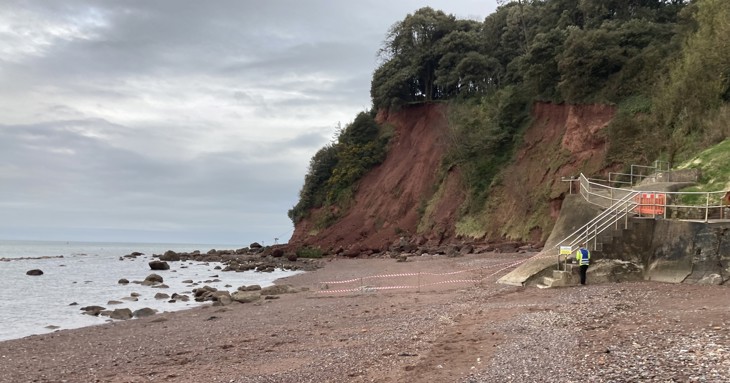
Teignbridge District Council is urging residents and visitors to put their safety first and respect path closures currently in place at The Ness in Shaldon following a significant cliff fall.
On Friday, 27 March, a landslip occurred at The Ness, resulting in soil, rocks, and trees falling onto Shaldon Beach and depositing a substantial quantity of debris across a section of the shoreline.
Our teams have inspected the area and installed warning signage and fencing for areas that have been closed for safety reasons. The section of the South West Coast Path that runs through the Ness woodland has been closed, and people are advised not to go onto the Shaldon beach at the site of the cliff fall in case of further landslips.
Visitors can still access the SW Coast Path while these closures are in place. The alternative route bypasses the Ness woodland and takes walkers through the Ness car park to the public highway, and on to Shaldon.
Cliff fall (Credit : Alec Collyer)
These measures are designed to protect everyone from the risk of falling debris or unstable ground. The public are being advised to follow all signage, respect fencing and barriers, and stay away from any areas which have been closed for safety reasons. We will continue to monitor the area closely and further inspections are planned in the coming week.
Councillor Jackie Hook, Executive Member for Environment, Climate and Sustainability, said: “We appreciate that it’s disappointing to have restrictions in areas which are popular with residents and visitors alike, but public safety has to be our priority. Further falls are likely, so we would urge people to stay well clear – please don’t risk your safety by trying to access areas that have been cordoned off.”
The coastline is a naturally changing environment and while areas often appear stable, the ground can change unexpectedly, particularly following periods of heavy rain. After a very wet winter and as conditions dry out, some further movement of the cliffs may take place in the coming days.
The Council will provide further updates following further geological surveys and inspections.
North Devon Homes is proud to announce that its Head Office in Barnstaple is now officially recognised as a safe space for individuals experiencing abuse, following the successful completion of ‘J9’ domestic abuse awareness training by staff members.
J9 is a community focused domestic abuse awareness programme which aims to build a network of safe, discreet places within local communities where people can access help at the earliest possible moment. This initiative was created in memory of Janine Mundy, who tragically lost her life to domestic abuse while her estranged husband was on police bail. She often signed her messages ‘J9’, which inspired the name for the programme.
Jen Westacott, Community Services Manager, organised the training and said, “Several of our staff members have completed the domestic abuse awareness training which helps them to recognise, respond and refer anyone needing help. Our Head Office in Barnstaple is a ‘J9’ safe and discreet place where people can access information about support, use a telephone privately to contact specialist help and can speak to a trained member of our staff.”
They added, “This important initiative strengthens community support for anyone living within an abusive environment and is open to all members of the public, not only North Devon Homes customers.
Many survivors of domestic abuse say they struggled to find a safe moment or space to reach out. Coercive control often limits opportunities to ask for help. The J9 network exists to create more safe points in the community so people can get support at the earliest opportunity. By taking part and joining this network, North Devon Homes is helping create a wider community safety network across North Devon.
North Devon Homes encourages anyone who may need advice or support relating to domestic abuse to visit its Head Office, whether or not they are a customer. Their address is Westacott Road, Barnstaple, EX32 8TA.
Young minds crossed new horizons as pupils swapped the classroom for cables and crossings, stepping into the world of engineering with a hands-on visit to one of the region’s most recognisable structures.
Children from West Alvington CofE Academy and Charleton CofE Academy, part of the Learning Academy Partnership, took part in an educational trip centred around the Tamar Bridge, combining travel with practical learning.
Pupils explore a hands-on engineering exhibit during their visit (Credit : Submitted)
The day began with a train journey across the bridge, allowing pupils to experience the landmark from a unique vantage point. After arriving, they completed a guided walk back across it, stopping to learn about its design, construction and role in the area.
The visit supported classroom studies on structures and engineering, giving pupils the chance to see real-world applications of topics they have been exploring.
Staff said the children were engaged throughout, asking questions and making observations as they explored both the bridge and its visitor centre.
The Tamar Bridge spans the River Tamar between Saltash in Cornwall and Plymouth. Opened in 1961, it was designed to carry the A38 and was among the longest suspension bridges in Britain at the time, replacing ferry services that had struggled to meet demand.
Jointly funded by Plymouth City Council and Cornwall County Council and constructed by the Cleveland Bridge & Engineering Company, the bridge remains a key transport link, carrying thousands of vehicles each day while also providing access for pedestrians and cyclists.
Children interact with digital displays at the visitor centre (Credit : Submitted)
Hannah Ruston, headteacher of Charleton CofE Academy and West Alvington CofE Academy, said: “It was fantastic to see our children so curious and enthusiastic throughout the day.
“Experiences like this help pupils connect classroom learning to the world around them, making education both fun and meaningful.”
Tracey Cleverly, CEO of Learning Academy Partnership, said: “Trips such as this are a brilliant way to inspire young minds.
“Seeing children engage with engineering in such an interactive way reinforces the importance of hands-on learning and encourages them to explore the possibilities in STEM and beyond.”
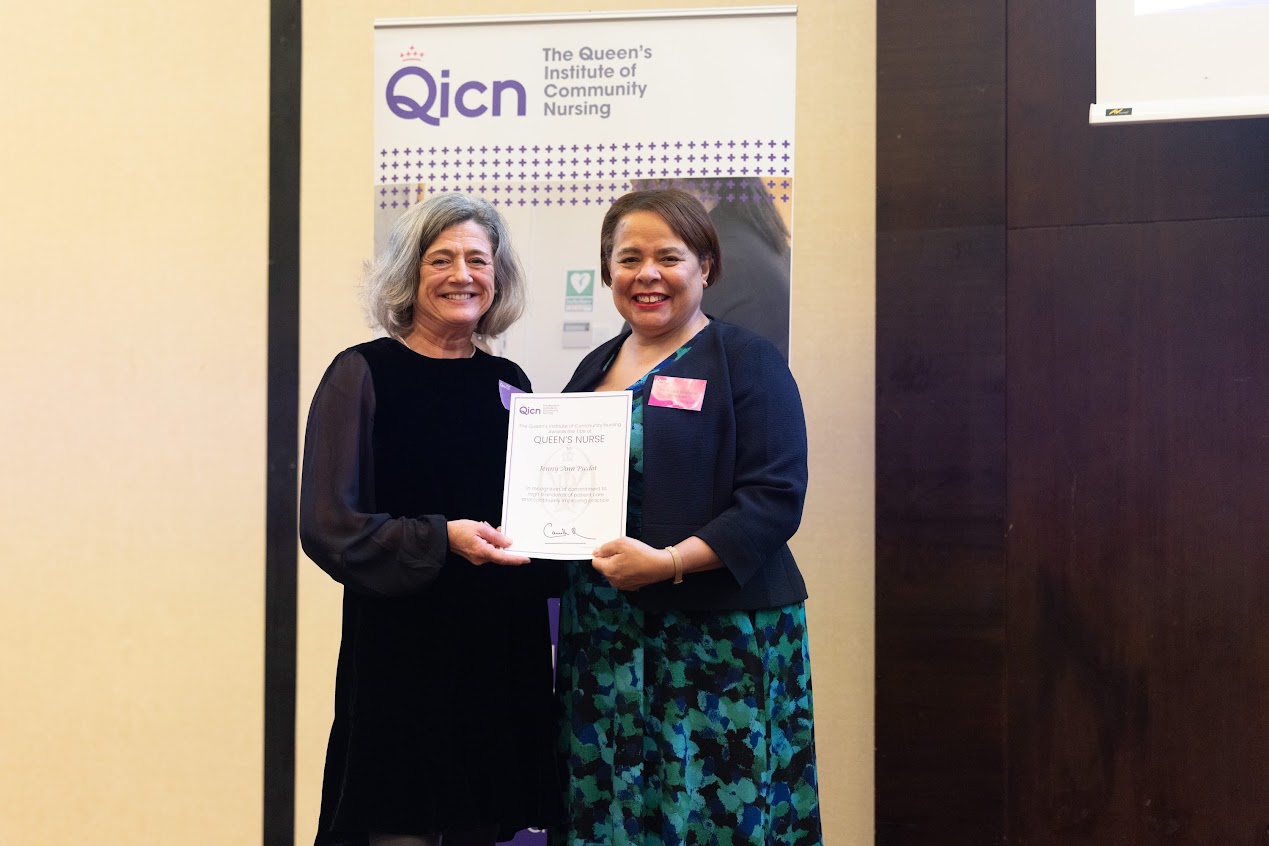
A much‑loved community nurse who has dedicated four decades to caring for people in Torbay and South Devon has been recognised nationally with a Royal stamp of approval.
Jenny Piedot, a Community Epilepsy Specialist Nurse, was just 18 when she first put on her nurse’s uniform. Now, 40 years later, she has received the prestigious Queen’s Nurse award for her services to community nursing.
During the past 40 years, Jenny has supported hundreds of local families and children, often from early childhood into adulthood.
She says: “Being a community nurse is a job that keeps me on my toes. It’s such a varied job; I get to work in patients’ homes, outpatient clinics, schools and colleges. I have worked closely with families, watching their children grow up and have continued to work with some as adults. I feel part of the fabric of my community, and I’m so proud to have played a small role in their lives.”
Jenny has spent the past 12 years working as a Community Epilepsy Specialist Nurse and prescriber in Torbay and previously worked as a community nurse for people with learning disabilities. In 1992 she set up the popular Saturday Club at a family centre in Newton Abbot offering respite care for children with complex care needs aged four to 18. It continues to run today.
She says: “The club is a cornerstone of support for local families and I’m really proud to have played my part in helping people to receive the care they need.”
The Queen’s Award is awarded to nurses who demonstrate consistently high standards of patient care, leadership, and a commitment to learning and recipients join a national community benefiting from workshops, bursaries, and professional support.
“It was a really lovely honour,” she said. “I didn’t tell anyone I had applied, it was a huge shock when I received the letter telling me I was receiving the award. It’s given me a chance to reflect upon my career, and I feel very proud of all I have achieved.
“Receiving this award on behalf of myself and my colleagues is a great recognition of all we do to serve our community. I work alongside caring and creative people, sometimes under huge pressure, but always with professionalism and kindness.”
Reflecting on her 40 years in nursing, Jenny says she has witnessed the NHS evolve and grow, but its core values remain unchanged. She says: “The NHS was still relatively young when I joined. It really feel it is one of the greatest and most valuable services to all people and I’m proud to work for the NHS – it’s incredible.”
Torbay and South Devon NHS Foundation Trust’s Chief Nurse Nicola McMinn said: “I am so incredibly proud Jenny, who has dedicated her life to caring for people in our community.
“Being a nurse is a privilege and none more so than working in our community where people welcome you into their homes to care for them and their loved ones. Jenny is a well-loved and much-valued member of our community and receiving the Queen’s Award for Community Nursing is a great recognition for all she has achieved.”
“A significant proportion of pupils do not secure basic spelling, grammar and handwriting at an age-appropriate level,” inspectors have warned after visiting Berry Pomeroy Parochial CofE Primary School, despite published results showing pupils achieving above national averages.
The Church of England primary school in Berry Pomeroy, near Totnes, has 85 pupils on roll – well below the national average of 272 – and is part of the Academies for Character and Excellence trust. Following an inspection on Tuesday, December 2, 2025, Ofsted judged safeguarding to be effective and found strengths in pupils’ personal development and wellbeing, but concluded that achievement, curriculum and teaching, and leadership and governance all “need attention” .
Inspectors found that “Pupils at this school feel safe and well cared for. Each morning, staff warmly welcome pupils. This helps to foster a secure sense of belonging. Close relationships between the school and parents and carers enable staff to get to know pupils well. As a result, pupils say they feel safe and know they can approach any adult if they have concerns. This positive culture is reflected in the school’s high rates of attendance.”
Personal development and wellbeing were judged to be a “strong standard”. The report states: “The pastoral support and personal development of pupils is a high priority at this school. Pupils are well cared for because leaders and staff know pupils well. Pupils are proud to be part of the school community. The school values help pupils learn how their own actions impact on others. There is a desire for pupils to be ‘change makers.’”
Inspectors highlighted the role of pupil leadership groups, noting that “‘sustainability champions’ lead projects that benefit the school and the village. Pupils confidently contribute to the running of the community café, serving soup they have made themselves from their own recipes.” They added that pupils are reflective and respectful, with diversity celebrated and a clear understanding of British values.
Attendance and behaviour were found to meet the expected standard. “The school is calm, orderly and pupils generally behave well. There are clear routines that pupils know and adhere to. These help pupils to feel secure and enable them to transition smoothly between activities during the school day. Disruption in lessons is rare and this calm behaviour is underpinned by positive relationships between staff and pupils”.
Early years provision was also judged to meet the expected standard. Inspectors said: “The early years curriculum is thoughtfully designed to ensure children develop knowledge and skills across all aspects of the curriculum. Staff work closely with parents and carers to support children to settle well in school. Children build positive relationships with staff”. They noted that reading is prioritised and that children engage in purposeful outdoor activities, including “guided tasks such as sawing wood” to build strength and confidence.
However, despite strong published outcomes at the end of key stage 2 and in national checks, inspectors raised concerns about the consistency of pupils’ work. “However, this success is not consistently reflected in the quality of work pupils produce in lessons. A significant proportion of pupils do not secure basic spelling, grammar and handwriting at an age-appropriate level. The school does not consistently identify where these gaps in pupils’ knowledge exist. This includes pupils with SEND and disadvantaged pupils. As a result, pupils do not progress through the curriculum as well as they should and do not secure essential skills effectively” .
The curriculum itself was described as “broad and ambitious”, with important knowledge clearly identified, but inspectors said leaders’ oversight “is not fully effective” and that “the quality of teaching across the school is inconsistent”. They pointed to weaknesses in the teaching of phonics and mathematics, particularly in mixed-age classes, and said teachers do not always use assessment effectively to address gaps in learning.
Leadership and governance were also judged to need attention. Inspectors said: “Leaders at both school and trust level do not have an accurate understanding of the school’s strengths and areas for development. This means that weaknesses in teaching are not addressed swiftly and current pupils do not achieve as well as they could”.
The report added that trustees “have an overly positive understanding of the school because leaders have not been precise in identifying necessary priorities for school improvement”, although leaders and governors were recognised as sharing “a strong moral purpose” and ensuring that disadvantaged pupils and those with special educational needs and/or disabilities have the same chance of success as their peers.
Inspectors set out clear next steps, including ensuring that leaders receive effective support and challenge, that assessment is used more effectively to check what pupils know and remember, and that staff develop the expertise required for consistently effective teaching.
Councils across the south west are teaming up to ensure the entire peninsula benefits from the Government’s planned £4.4 billion investment in HMNB Devonport and Dockyard.
Plymouth, Devon, Cornwall and Torbay councils have agreed how they will work together to ensure the region grasps the opportunities – and address the challenges – that a rapid expansion of defence related employment and investment will present.
The investment in Devonport, which supports the national defence endeavour and the Continuous at Sea Deterrent, is supported by Plymouth’s designation as a Defence Growth Area and the UK National Centre for Marine Autonomy.
The investment will bring a significant increase in need for more skilled employees, as well as more housing, expanded transport infrastructure and greater focus on innovation.
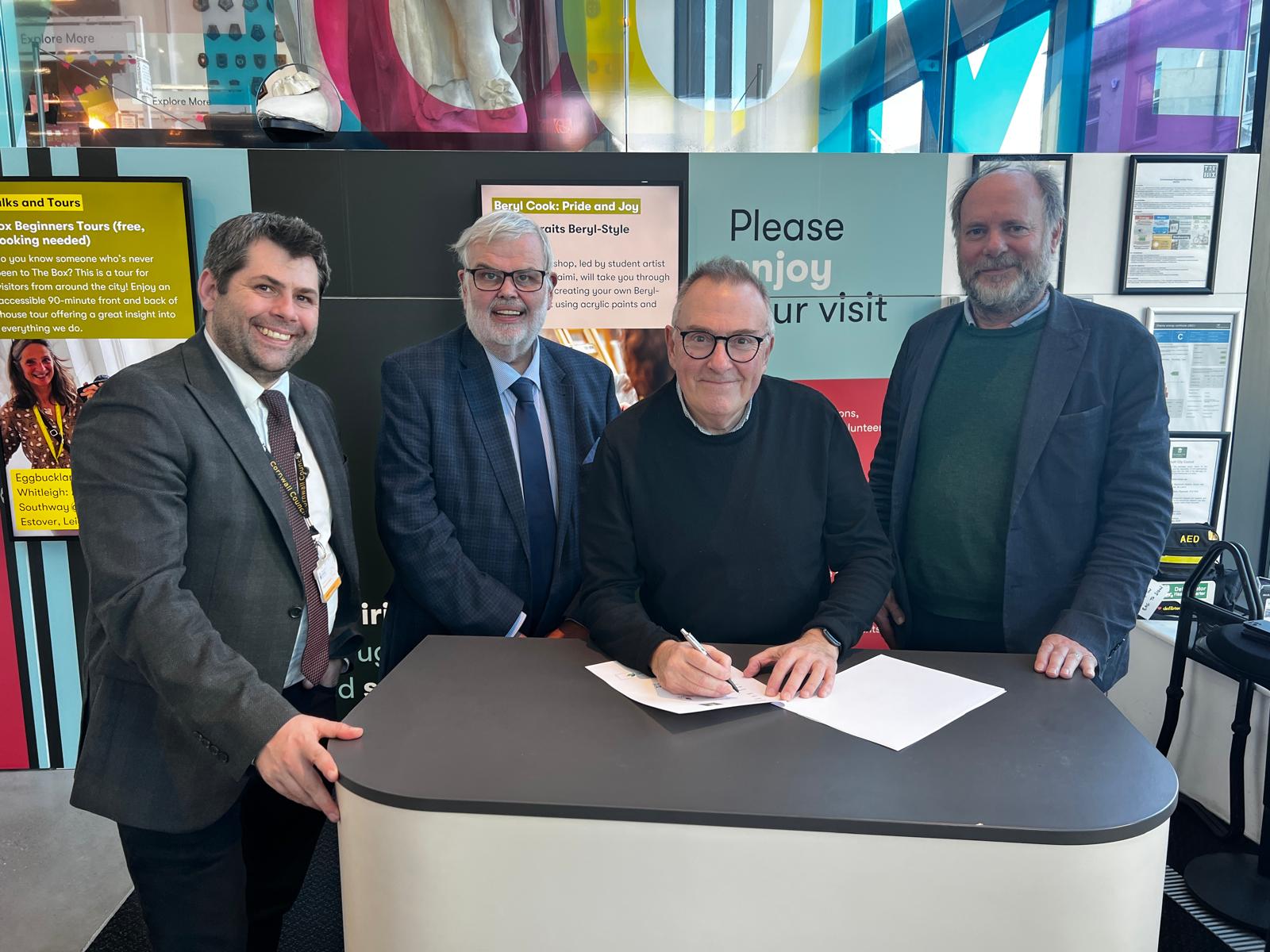
Council leaders from all four authorities have signed a Memorandum of Understanding that will ensure a collaborative, cross-boundary approach is taken across all these areas, as well as a joined-up approach to addressing potential barriers and challenges that the scale and pace of the change will present.
The key areas of collaboration outlined in the Memorandum of Understanding include:
Skills and workforce development
The councils will work with further education institutions and training providers across the region to ensure residents can gain the skills needed to take advantage of the employment opportunities, while recognising the specific needs and challenges in different communities.
They will work with employers and skills providers to co-design provision that reflects the needs of priority sectors such as defence, marine, construction, engineering and associated supply chains. They have also collaborated on a business case for locating a defence technical college in the region.
Transport and connectivity
Improving transport and connectivity is vital to ensuring the expanding workforce can access employment opportunities. Joint working by the councils will include developing a strategy to increase the proportion of the population able to access employment opportunities at Devonport within a one-hour commute. They will also collaborate on priorities such as the creation of a rail link between Tavistock and Plymouth.
Co-ordinating local plans and housing policy
The councils will work together to develop a joint pipeline of housing construction and infrastructure development to support the larger workforce needed to support the investment in Devonport and associated industries. This will include coordinating local plans and working together to help accelerate developments at Sherford and Treledan in Saltash.
Increasing innovation and business productivity
All four councils will work together to support and maximise the expected growth in key sectors and the benefits for the supply chain across the south west. This will include a business case for an innovation investment programme to accelerate the growth in the marine, construction and defence sectors and increase growth and innovation in the supply chain.
Joint work will also include identifying commercial and industrial land and working together to bring forward sites that support the growth of priority sectors. There will also be joined-up marketing of investment opportunities in key sectors, such as marine, construction and defence and joint working to coordinate aviation and marine test facilities for the development of autonomous systems.
Plymouth City Council Leader Tudor Evans OBE said: “The scale of the investment in Devonport and the economic and social opportunities it presents are mind blowing. It will provide a once-in-a-generation opportunity to supercharge economic growth not just in Plymouth, but across the south west peninsula.
“We have already formed the Team Plymouth partnership with the MOD, Babcock and wider partners such as Plymouth University and City College Plymouth to ensure that we work as one city we can step up to the challenge. This new agreement with our partner councils across the peninsula will ensure we take the same joined-up approach to ensuring the benefits are felt by residents and businesses across the region.
“By working together we can make sure residents across Devon and Cornwall and Torbay can access these opportunities – not just in defence but in wider supply chains including marine autonomy and construction.”
Leader of Devon County Council, Councillor Julian Brazil said: “This investment is a major opportunity for the whole of Devon. By working together across council boundaries, we can make sure communities from our towns and cities to our rural heartlands feel the benefit – through stronger supply chains, better connectivity and real, long-term economic growth. Crucially, it will help create clear training pathways for young people, with more apprenticeships and high-quality, skilled jobs so that local talent can build a future here in Devon.”
Councillor Leigh Frost, Leader of Cornwall Council, said: “The Defence Growth Deal represents a transformative opportunity for Cornwall to align with a £4.4 billion regional investment in HMNB Devonport and associated defence infrastructure over the next decade. This investment will catalyse job creation across defence, construction, engineering, marine autonomy, and associated supply chains/sectors that are critical to Cornwall’s economic future. It is a specific and clear example of how Cornwall Council will continue to work collaboratively with our near neighbours to benefit our residents.”
Cllr David Thomas, Leader of Torbay Council, said: “Torbay is proud to be part of this collective commitment to maximise the opportunities that this major defence investment will bring to our region. We know that no single authority can address the scale and pace of change alone, and by working together we can make sure our communities benefit from new skills, new jobs and stronger infrastructure. This agreement strengthens our shared resolve to plan effectively, remove barriers and support sustainable growth. We will continue to work with our partners across the peninsula to ensure Torbay plays a full part in shaping and securing long-term success for our residents and businesses.”
Minister for Devolution, Miatta Fahnbulleh said: “This is a major milestone for this region and shows what can be achieved when local leaders come together with a shared purpose in mind. This partnership will help support Team Plymouth’s mission to ensure the area thrives, building on the once-in a generation defence investment at His Majesty’s Naval Base at Devonport. It will support the transformation of Plymouth into a vibrant connected city and ensure the region feels the benefit.”
Plymouth Sound National Marine Park (PSNMP) continues its work to help more people connect with, enjoy, and protect Plymouth Sound. As part of this effort, the team has been collaborating with residents and community groups to shape improvements at key access points around the Sound.
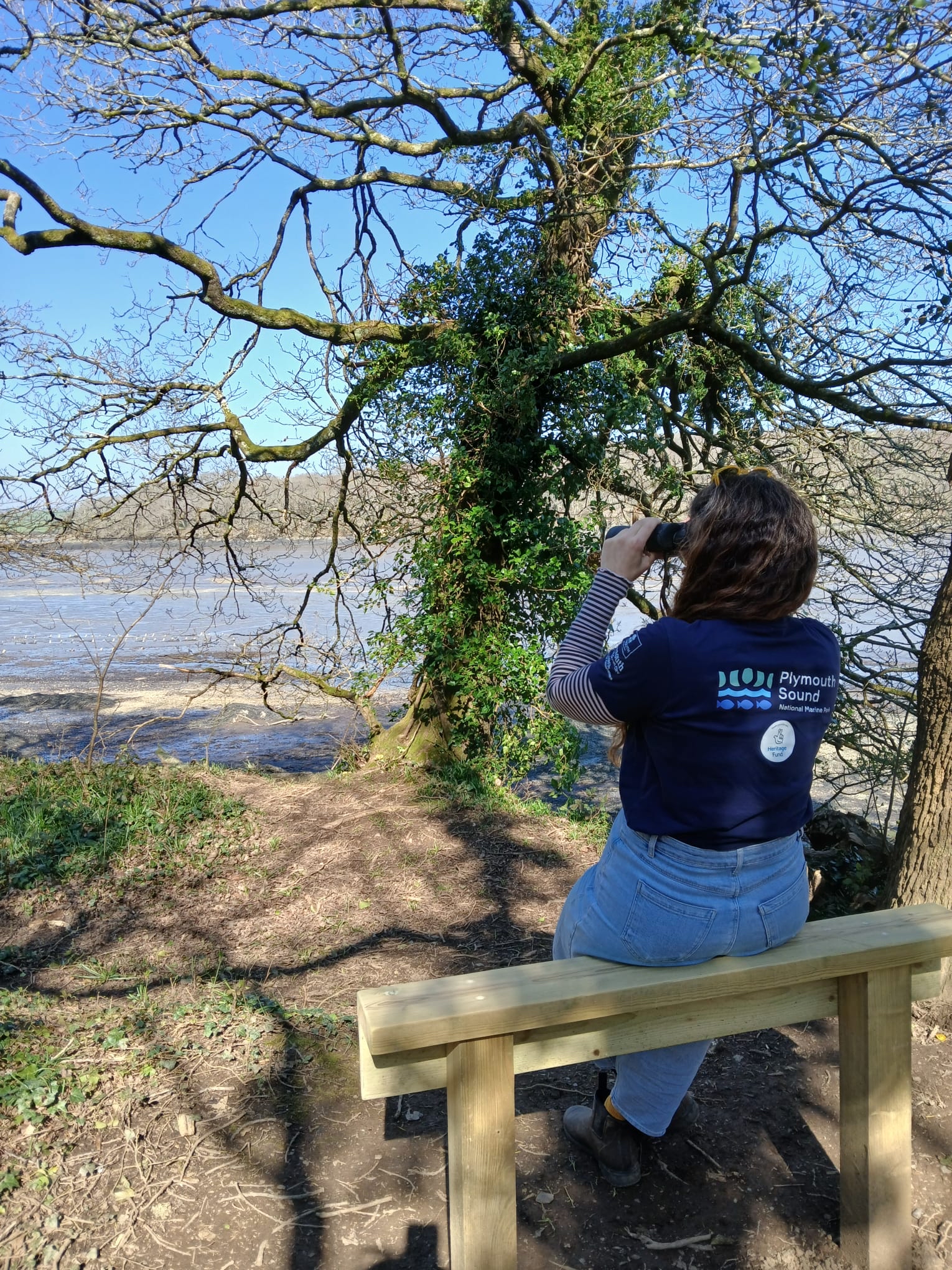
One of these important sites is Ernesettle Creek, in the northwest of the city, some residents may be surprised to learn it is part of the Marine Park. The creek sits within the Tamar Estuaries and plays a vital role in its ecosystem. Plymouth Sound’s tides breathe life through the creek’s mudflats and salt marshes, creating a rich and biodiverse intertidal habitat, while its peaceful paths and viewpoints offer excellent opportunities for birdwatching.
Ernesettle is a key gateway linking the north of the city with the Marine Park, giving local people and visitors the chance to explore both blue and green spaces, from the salt marshes to the surrounding woodlands. Work has already begun on site, including the installation of new community benches and sensitive vegetation management to open up views across the river. These additions will make walking the creek easier, with more places to pause, rest, and take in the scenery.
Councillor Tom Briars-Delve said: “As a city, we are incredibly lucky to be surrounded by both blue and green spaces, and Plymouth City Council is committed to ensuring that Plymothians have access to nature. Working with Plymouth Sound National Marine Park on projects like these benches is key to helping our communities enjoy the outdoors. Ernesettle is a special place, and it’s important we protect it and share it for everyone to experience.”
Jessica Stevens, Plymouth Sound National Marine Park Assistant Ranger, added: “Our rangers have been working closely with the local community to help everyone enjoy and care for Ernesettle Creek. Together with 16+ students from Mill Ford School and the Friends of Ernesettle Creek and Budshead Woods, we’ve been keeping pathways tidy and accessible so people can get outside, feel well, and connect with nature.
Our monthly winter wader bird walks have introduced residents to the incredible birdlife that visits the Tamar estuary, and we’ll soon be offering an expanded programme of events, from foraging walks and local history talks to bat walks and coastal cleans.”
Further improvements coming to Ernesettle Creek include:
Resurfacing the pathway around the headland to make walking safer and easier, especially in winter months. As well as new signage with information to help visitors explore and understand the site. Finally, there are plans underway to make essential repairs to the causeway to ensure long‑term accessibility.
Stuart McLeod, Director England – London & South at The National Lottery Heritage Fund, said: “Investing in heritage means investing in the people and communities it belongs to. That’s why we’re proud to support the Ernesettle Community as part of our continued partnership with Plymouth Sound National Marine Park. Thanks to National Lottery players, this initiative will empower local people to celebrate, protect and connect with marine and natural heritage on their doorstep. We’re excited to see the meaningful ways Plymothians bring Britain’s Ocean City to life.”