


Home Blog Page 98

Major colour exhibition to light up Exeter museum

This summer a major new exhibition at Exeter City Council’s Royal Albert Memorial Museum & Art Gallery (RAMM) invites visitors to explore a spectacular world of colour.

Opening on Saturday 23 May, Colour brings together over 150 objects spanning art, science, nature and cultural histories alongside a host of family friendly interactives in time for the summer school holidays.

Colour is a constant source of wonder. It is key to helping us make sense of the world, used to communicate by wildlife, plants and people alike.

It has the power to symbolise who we are and what we believe and is at the heart of some of our most enduring traditions.

This new exhibition will delve deep into the dazzling kaleidoscope of shades and hues that surround us to investigate colour in all its forms – how we see it, how it’s made, how it’s used and what it means.

Exeter City Council’s Lead Councillor for Arts, Culture and Tourism, Cllr Bob Foale, said: “Colour is such a fundamental part of our lives and the world around us, it sometimes easy to overlook how remarkable it really is.

“This exhibition, showcasing objects from museums around the UK, will shine a spotlight on colour and how we perceive, make, use, and attach meaning to it.”

Visitors will be able to see artwork by Hokusai, Kandinsky, Bridget Riley, Andy Warhol and more, alongside examples of exquisitely crafted decorative ceramics.

Other objects on display include beautiful bird plumage and iridescent insects which show how colour is used in the natural world, and textiles demonstrating the rich spectrum of natural and manmade pigments and dyes.

The exhibition is brought together around four key themes:

  • What is colour? Examines the science behind how we see colour – how humans and animals perceive colour differently, how technology changes the way we see colour and what happens when colour fades over time
  • How is colour made? Explores the many sources of colour pigments and dyes – from plants to insects, minerals and chemicals, as well as how iridescence is created
  • Is colour useful? Reflects on how colour is utilised for communication by humans, animal and plants, as well as providing a camouflaged disguise for a range of wildlife.
  • What does colour mean? Looks at the meanings we attach to colour, how those meanings can differ and change, and how colour can reflect our history, identity, culture and beliefs.

The exhibition has been created in collaboration with a group of Cultural Advisors, who have helped shape the themes and stories showcased throughout the displays.

Colour has been created for the Museums and Galleries Network for Exhibition Touring (MAGNET), with Art Fund support and supported using public funding by the National Lottery through Arts Council England.

It has been curated by Royal Albert Memorial Museum in partnership with: Sheffield Museums; Tullie House, Carlisle; Gosport Museum & Art Gallery, Hampshire; and Bristol Museum and Art Gallery.

Colour opens at RAMM on Saturday 23 May and continues until Sunday 6 September 2026.

Standard ticket – £6, NUS cardholders and MA Members – £4, ArtFund – £3, Under 19s and carers free.

This exhibition was made possible by the provision of Government Indemnity. RAMM would like to thank HM Government for providing Government Indemnity and the Department for Culture, Media & Sport and Arts Council England for arranging the indemnity.


Devon homes warmer and greener after £4m upgrade boost

A major home‑improvement scheme has helped hundreds of Devon residents cut their energy bills and make their homes warmer, greener, and more efficient.

Between April 2023 and March 2025, the Home Upgrade Grant Phase 2 (HUG2) programme delivered improvements to 176 off‑gas, low‑income households across Devon.

In East Devon, 36 homes were upgraded, and 15 homes were fully decarbonised.

The scheme was delivered by Devon County Council in partnership with district councils East Devon, Mid Devon, Teignbridge, Torridge, North Devon as well as Exeter City Council and Torbay Council and funded by the Department for Energy Security and Net Zero.

More than £4.24 million was invested overall, with £3.87 million spent directly on home energy measures. These included 59 air source heat pumps, 417 kWp of solar PV, insulation, double glazing, and other upgrades, totalling 271 individual installations. The improvements are estimated to save 28.7 tonnes of CO₂ per year, based on Energy Performance Certificate assessments carried out before and after the works.

For many households, the impact has been immediate; many residents have reported warmer homes, fewer damp problems, and lower energy bills. One homeowner said that their bills had fallen by two‑thirds following the installation of a heat pump, new hot water cylinder, and solar panels. Others described their homes as ‘cosy for the first time’ and praised contractors for being ‘professional, respectful and efficient.’

Councillor Dan Ledger, East Devon District Council’s Portfolio Holder for Sustainable Homes and Communities, said: “It’s great to hear residents’ positive feedback about the cost savings from these environmentally friendly upgrades. These home upgrades are already making a big difference, with vulnerable residents in warmer homes, with lower energy bills.”

The current funding scheme is the Warm Homes Grant – to check your eligibility, for more information or for free energy saving advice please go to the Energy Saving Devon website.

Tavistock’s Pimple folly reveals big history in small form

The next article in our series about West Devon heritage looks at the Pimple; a small, three-sided folly that catches the eye on the grassy mound of Whitchurch Down, Tavistock.

Small as it is, it has a big story: designed by Sir Edwin Lutyens, it guards the entrance to a former underground reservoir that once served new homes on Down Road. Today, it’s a favourite stopping point for walkers and families, offering sweeping views across Dartmoor and into Cornwall.

This Grade II listed, triangular gateway building is built from local Hurdwick stone, a distinctive greenish volcanic stone quarried just north of Tavistock and used in many of the town’s historic buildings. The roof is made from historic Delabole slate and is finished with a distinctive finial, the “pimple” that gives the structure its nickname.

Sir Edwin Lutyens, best known for landmarks such as Castle Drogo and the Cenotaph in London, set ‘The Pimple’ on a circular base that doubles as seating; turning essential infrastructure into something welcoming and beautiful.

The Pimple shows Lutyens skill at small scale too, shaping a small structure into something that lifts a public place. Sitting on its earthwork mound, the underground reservoir long since fallen out of use, is recorded in Devon’s Historic Environment Record. The folly however remains eye‑catching for locals and visitors.

It is a reminder that West Devon’s heritage isn’t only castles and viaducts. This little lookout links engineering, design and a love of landscape. That blend of practicality and beauty is part of what makes local heritage so special.

If you have a favourite photo, family story or a sketch from a windy walk on Whitchurch Down? We would love to hear from you. Share on social media using #WestDevonHeritage and tag us. Your contributions help bring local history to life for everyone.

This spotlight forms part of an ongoing series with an invitation to wander, wonder and share. 

Look out for future spotlights as we celebrate the people, places and stories that make West Devon a brilliant place to live and visit.

City invited to share lockdown memories at Exeter event

0

People can explore local memories of the coronavirus pandemic and hear more about research into how communities are building memorials at an Exeter event.

The spread of the virus led to bereavement and loss, but people are still considering how best to mark the crisis for future generations.

The discussion event – held at the Exeter Phoenix, on Tuesday 3 March, from 7:30pm to 9pm – is organised by Professor David Tollerton, from the University of Exeter, who is researching how people around the country have been creating memorials to those lost in the pandemic.

Last year Professor Tollerton – with the help of communities in Exeter – created an online audiobook which allowed people to record their memories of the pandemic.

Professor Tollerton will play selections from the audiobook at the event and discuss the process of putting it together. He will also talk about his research into pandemic memorialisation.

People at the event will be able to also share their own memories of the pandemic – whether their recollections of lockdown or the impact on health, education, childcare – and of bereavement, and other issues.

Professor Tollerton said: “Publicly remembering the pandemic is hard because people’s experiences were so different from each other. It wasn’t always a unifying event. However it is still important for us all to remember that time and those affected.”

Register for the event at: https://www.eventbrite.co.uk/e/exeters-memory-of-the-covid-19-pandemic-tickets-1983460364343?aff=oddtdtcreator

The audiobook is available at: https://www.youtube.com/watch?v=wB3M9Y0RQAc

School slashes general waste and boosts recycling to 62 per cent

Pupils have more than doubled their recycling rate in a year after taking a hard look at what was being thrown away — cutting general waste by almost half and transforming habits across the school.

Rydon Primary, part of Education South West, has reported a marked improvement in recycling and waste reduction following a second whole-school audit carried out by Devon’s Resource Futures, led by sustainability specialist Alex Mack .

The audit, completed last month, showed significant progress since the school’s initial assessment in April last year. It highlighted what the school described as a strong commitment from pupils, staff and the wider community to reducing environmental impact .

During the first audit, the school was sending 6.76 tonnes of general waste each year to an energy-from-waste plant and recorded a recycling rate of 25 per cent. By the second audit, general waste had fallen to 3.5 tonnes per year, while the recycling rate had risen to 62 per cent — an overall improvement of 47 per cent .

The figures reflect efforts to reduce waste contamination, increase effective recycling and improve understanding of the environmental impact of everyday decisions.

Central to the changes were the Rydon Pupil Ambassadors, led by teacher Ellie Thomas. The group was described as “fantastic” by Resource Futures, which praised their energy, leadership and commitment to sustainability .

Danny Brown, headteacher at Rydon Primary, said: “We are incredibly proud of the whole school community for achieving such a significant improvement in such a short space of time.

“The children have truly embraced the challenge. Their enthusiasm for looking after the environment has been inspiring.

“This project has shown our pupils that small changes really do add up to a big difference.”

Matthew Shanks, chief executive at Education South West, said: “This is a fantastic example of what can be achieved when pupils are empowered to take the lead.

“Rydon Primary’s progress demonstrates the impact of education in shaping responsible global citizens.

“We are delighted to see such impressive results and proud of the staff and pupils for their commitment to sustainability.”

Armed Forces community unite at Barnstaple Big Breakfast

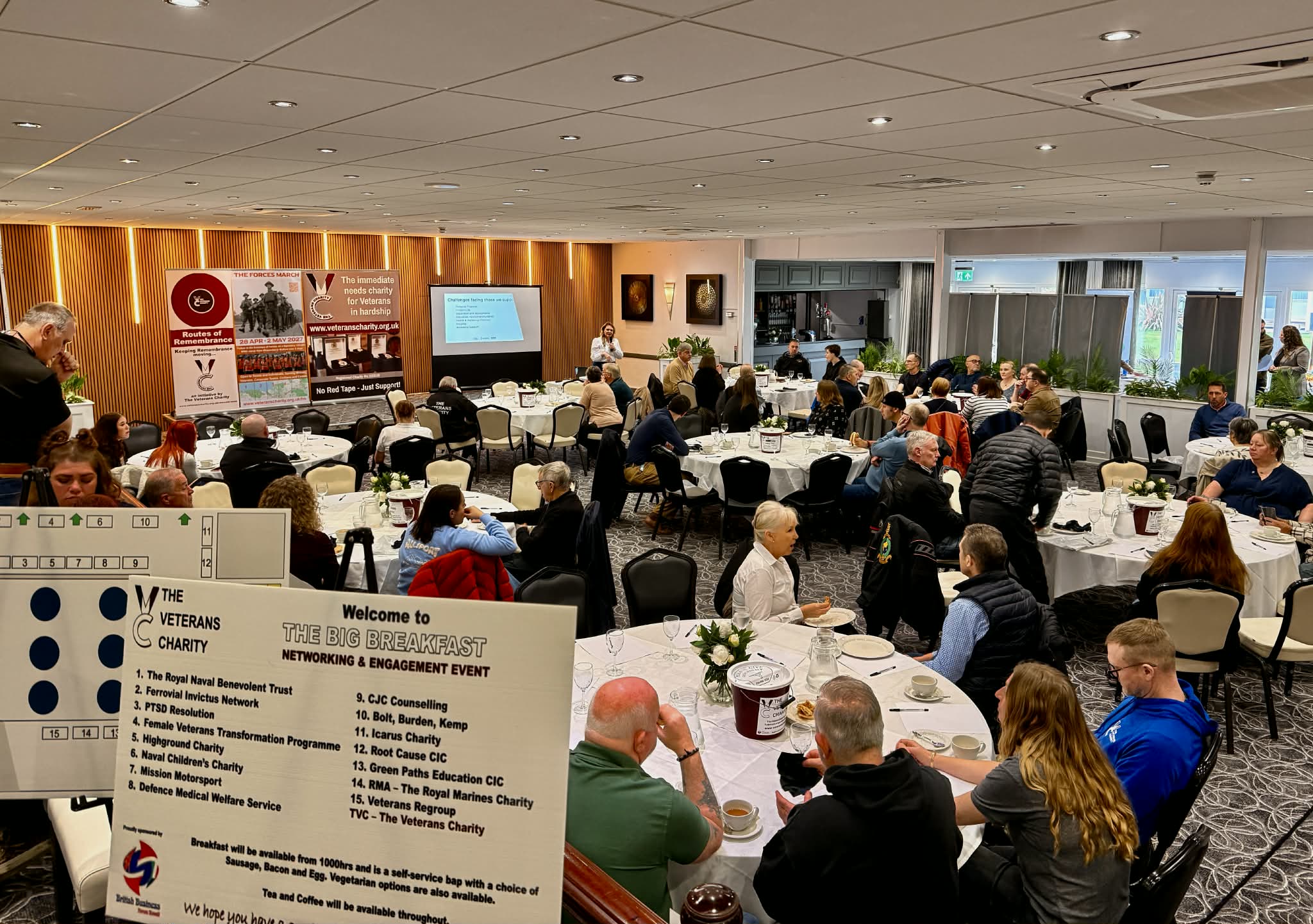
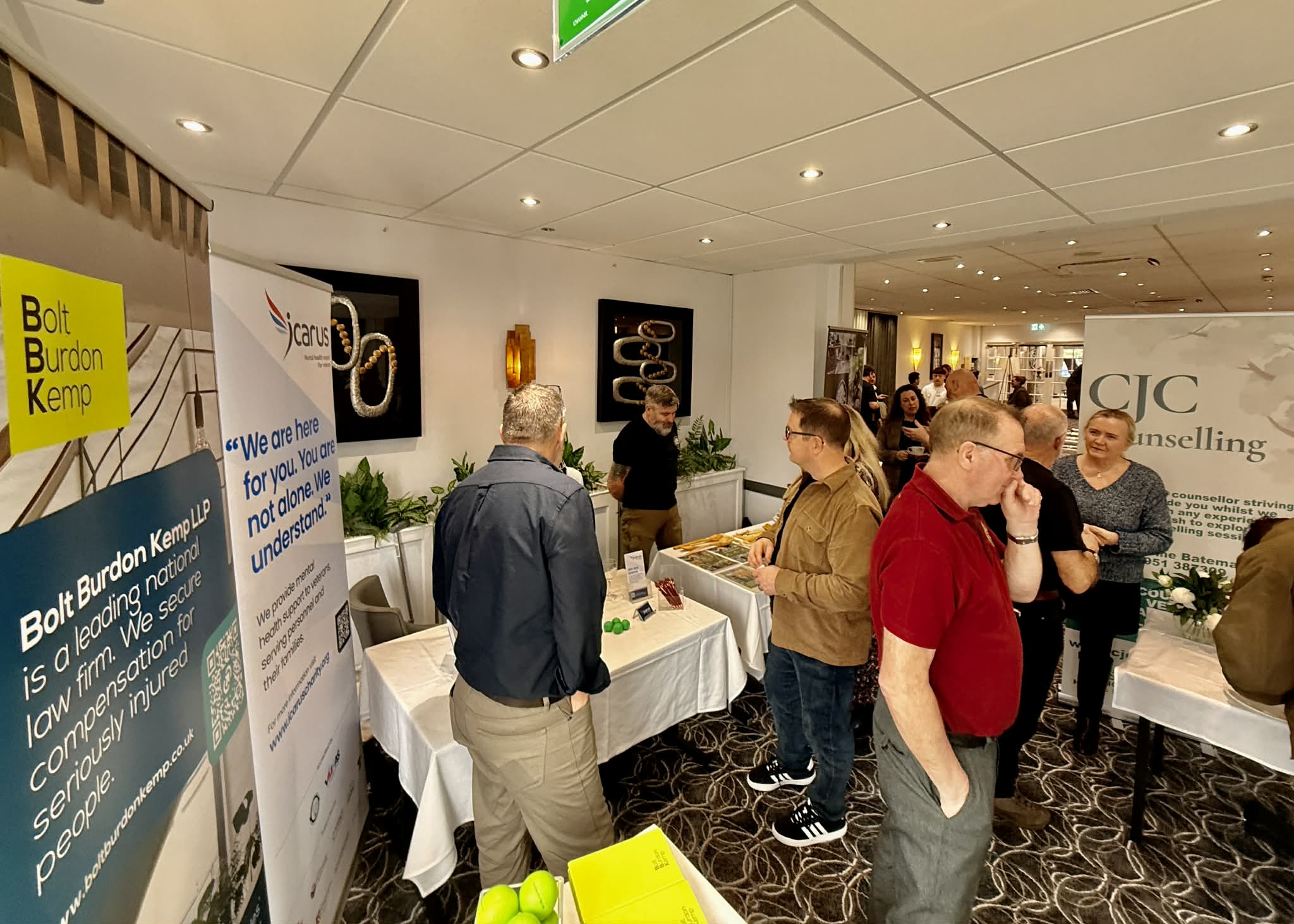
The Veterans Charity hosted its third Big Breakfast Networking and Engagement event on Saturday 21 February at The Barnstaple Hotel, bringing together more than 100 members of the Armed Forces Community alongside over a dozen organisations dedicated to supporting them.

The popular event welcomed serving personnel, veterans, and spouses for a highly engaging morning of networking, collaboration and community-building.

Attendees had the opportunity to connect with a wide range of support organisations, fostering meaningful conversations and strengthening local support networks.

Danny Greeno, CEO of The Veterans Charity, said: “We were very proud to host our third Big Breakfast event and to unite serving personnel, veterans and spouses for a highly engaging morning. It was wonderful to see so much interaction between guests and also with the many organisations who attended. We are very grateful to the British Business Forum Kuwait who kindly sponsored the event and we are delighted with the feedback we have already received and we cannot wait to host another Big Breakfast event in our home region.”

The event continues to grow in both size and impact, reinforcing The Veterans Charity’s commitment to supporting the Armed Forces Community across the South West and beyond. Following the success of the February event, The Veterans Charity has announced that its next Big Breakfast will take place on Saturday 23 May at RNAS Culdrose.

A further event is also planned for October in Barnstaple, with more details to be announced soon.

For more information about The Veterans Charity and upcoming events, please visit www.veteranscharity.org.uk or follow The Veterans Charity on social media.

Devon farmer seeks dog field after brutal livestock attack

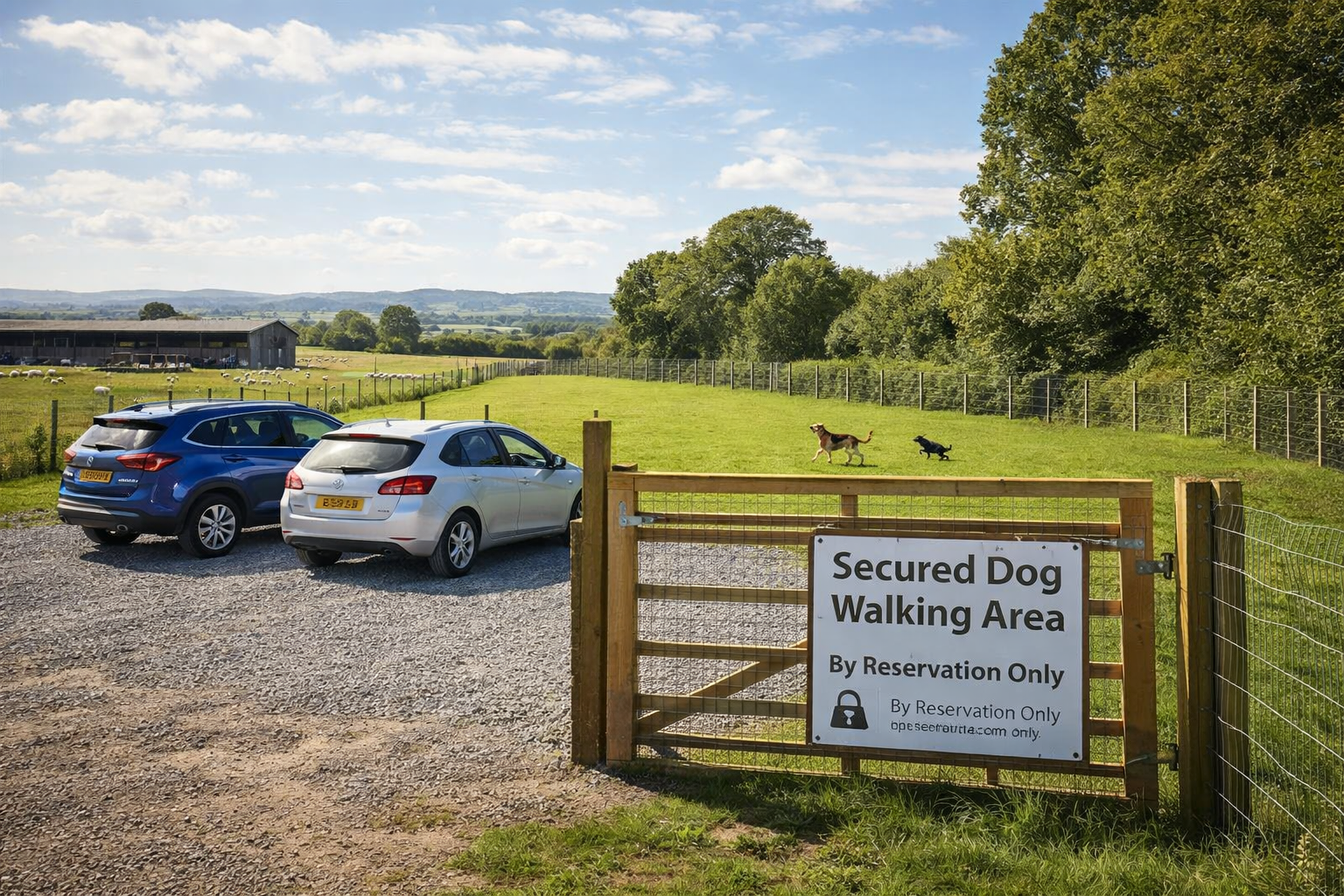
After a sheep was “brutally attacked” by a dog on his own land, a Devon farmer has applied to create a secure dog walking field in a bid to protect livestock and offer a safe space for local owners.

A full planning application has been submitted to East Devon District Council for the change of use of 1.2 hectares (three acres) of agricultural land at Straitgate Farm, Exeter Road, Ottery St Mary.

The applicant, Mr Tom Fry, is seeking permission to establish a secure dog walking field, complete with 6ft high fencing and a hardstanding car parking area for visitors.

In a Design and Access Statement supporting the application, the incident involving the sheep is highlighted as a key factor behind the proposal. The document states: “Last year, one of the applicant’s sheep was brutally attacked by a dog on their own land.” It adds: “Protecting livestock is a paramount priority for the applicant.”

The statement also refers to an increase in dog attacks following the Covid pandemic, saying many dogs were bought or rehomed “without consideration of breed suitability” and that there has since been “a significant increase of dog attacks due to a lack of training and adequate exercise”.

Straitgate Farm is described as a mixed dairy, beef and sheep enterprise covering approximately 370 acres. The farm has around 250 dairy cows and followers, a suckler herd of 320 beef cattle and about 160 breeding ewes. Mr Fry runs the business alongside his wife, four children and one full-time employee.

The application states that the proposed dog walking site “will diversify the existing farm business, increasing viability and sustainability to ensure longevity of the farm business”.

It adds that the facility would provide “a safe, enclosed space for local people to provide adequate exercise and training for their dogs whilst avoiding the risk of harming other people, dogs or livestock.”

The plans involve separating 1.2 hectares from a larger 2.6-hectare field parcel, with the remaining 1.4 hectares retained in agricultural use.

The dog walking field would be enclosed by a 6ft (1.8m) high timber post and wire mesh fence, with mesh spacing of 50mm by 50mm “to ensure that the smallest of dog breeds are secure”. Gates are proposed for pedestrian access from the car park and for occasional farm management access.

A 250 sq m hardstanding area would be constructed within the existing roadside access from Birdcage Lane, around 115 metres from Exeter Road (B3174). The parking area, measuring about 8.5m by 14.25m, is designed to allow two vehicles to park, turn and exit in a forward gear. The surface would consist of compacted hardcore over a membrane, with excavated topsoil reused on the holding.

Use of the field would be controlled through an online booking system, with one booking at a time. Proposed opening hours are 6am to 9pm in summer and 6am to 6pm in winter. The statement says restricting use to daylight hours means “there is no requirement for additional lighting”.

The site is not within an Area of Outstanding Natural Beauty or a Special Area of Conservation and is classified as grade 3 agricultural land. It lies within a Nitrate Vulnerable Zone, but the statement says the change of use would mean slurry would no longer be spread on the field. Dog walkers would be required to collect and remove waste.

The planning statement argues that the scheme accords with national and local policies supporting rural diversification, and concludes that the proposal “will not cause any form of pollution” and would not harm the amenity of local residents.

Five pound test leads to largest ever UTC foodbank donation

0

They turned five pounds into a powerful act of kindness.

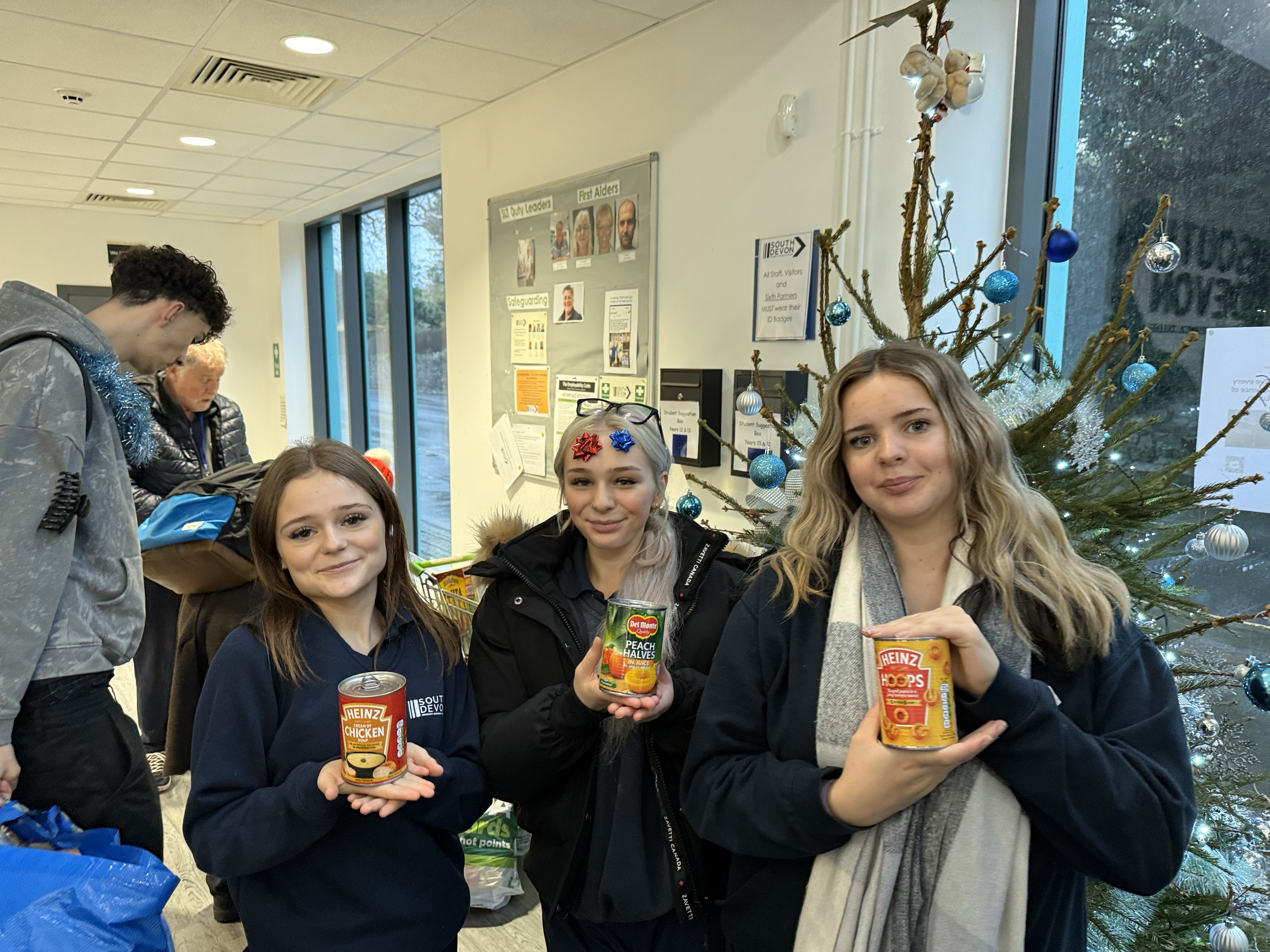
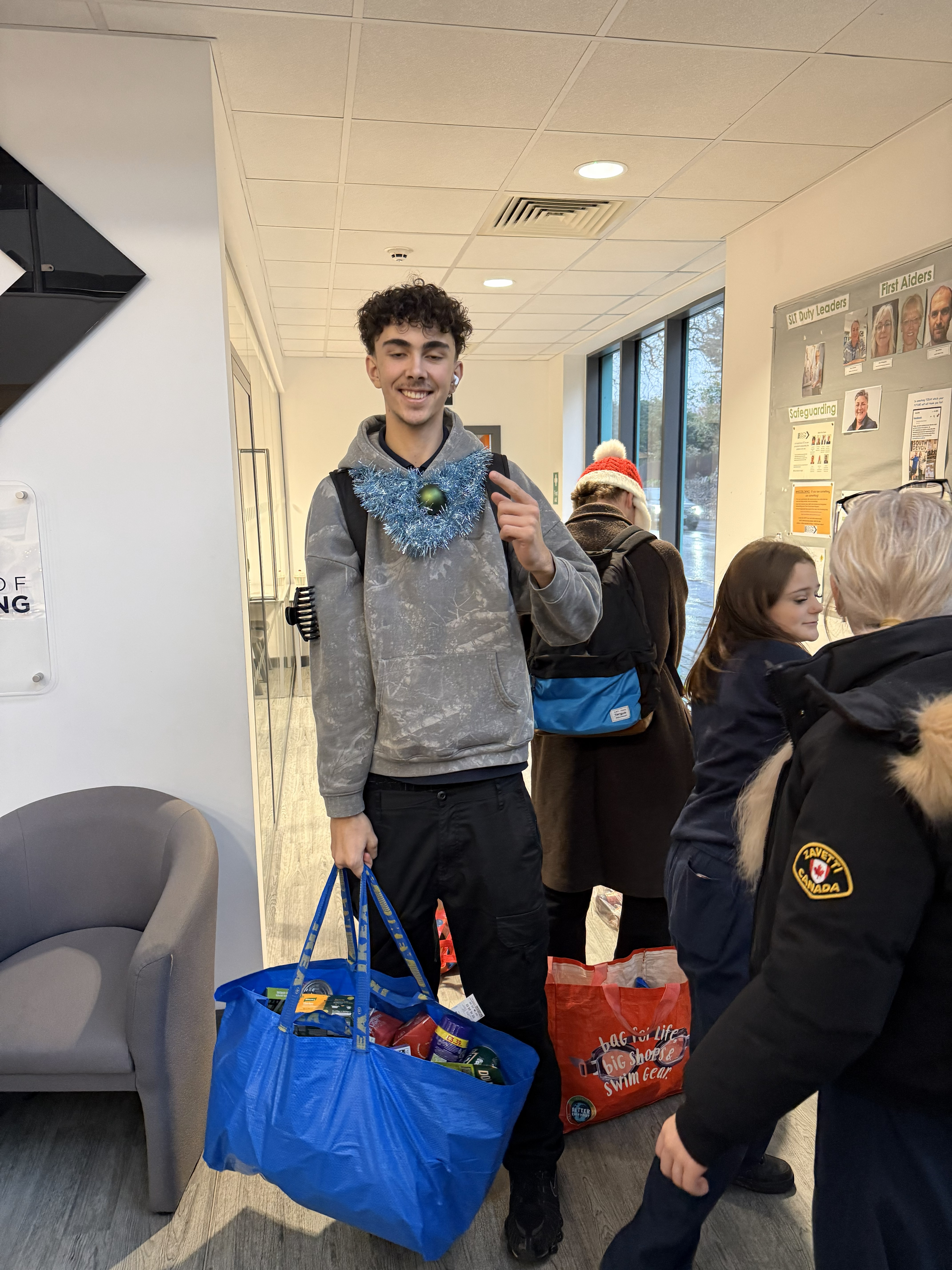
Students and staff at South Devon UTC have delivered their largest ever foodbank donation after taking on a budgeting challenge designed to stretch both their money and their imagination.

The school community has been collecting essential items for Teignbridge Homeless Action Today (THAT) since October, continuing what has become an annual tradition of supporting those in need.

This year, students were set an additional task: to buy as many foodbank items as possible with a £5 budget. The challenge was designed to encourage creativity and teamwork, while helping pupils develop money management skills and a better understanding of living on a budget.

The initiative resulted in the biggest collection the UTC has achieved to date, with a significant volume of donations delivered to the local foodbank.

Claire Plumb, Headteacher at South Devon UTC, said: “I am incredibly proud of our students, staff and families for coming together to support such an important local cause.

“The foodbank collection is something our community really values, and this year’s response has been outstanding.

“The £5 challenge also gave students the opportunity to develop real-life budgeting skills while making a positive difference to others.”

UTC foodbank donation

Matthew Shanks, CEO of Education South West, said: “South Devon UTC continues to demonstrate how education goes beyond the classroom.

“This initiative not only supports those in need within the local community, but also helps students build essential life skills such as teamwork, empathy and financial awareness.

“It is wonderful to see such strong community spirit across the school.”

The school thanked staff, students and parents for their contributions to the collection.

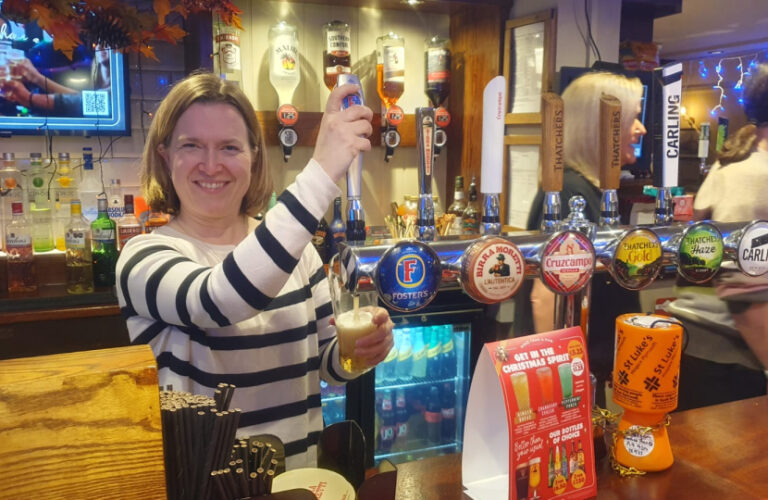
South West Devon MP launches Best Pub of the Year contest

A search is on to crown the finest local in the patch, as pubs across South West Devon are invited to pull up a chair in a new competition celebrating their role at the heart of community life.

Rebecca Smith, MP for South West Devon, has launched her “Best Pub of the Year 2026” competition, highlighting the contribution pubs make across the constituency.

Miss Smith said: “Our pubs are central to community life across South West Devon. They provide employment, support local suppliers, and bring people together.

“Yet under the current Labour Government, rising costs and higher taxes are putting unnecessary pressure on the sector. It is vital that our pubs are supported to grow and thrive, not burdened by policies that risk pushing them to the brink.”

Last year’s winner was The London Inn in Plympton, which Miss Smith said had set a high standard.

This year, residents are being encouraged to help determine which pub claims the top spot, recognising those that continue to make a difference in their communities.

The competition is open to all pubs across South West Devon. Voting is now open and will continue until Friday, April 3, after which an overall winner will be announced.

Miss Smith added: “I look forward to visiting pubs throughout the competition and meeting landlords, staff and customers.

“This competition recognises the dedication and hard work of our local pubs and celebrates the positive impact they have across the place we are proud to call home.”

Residents can cast their votes online on the dedicated website.

New £22m drive to get Devon back into work launched

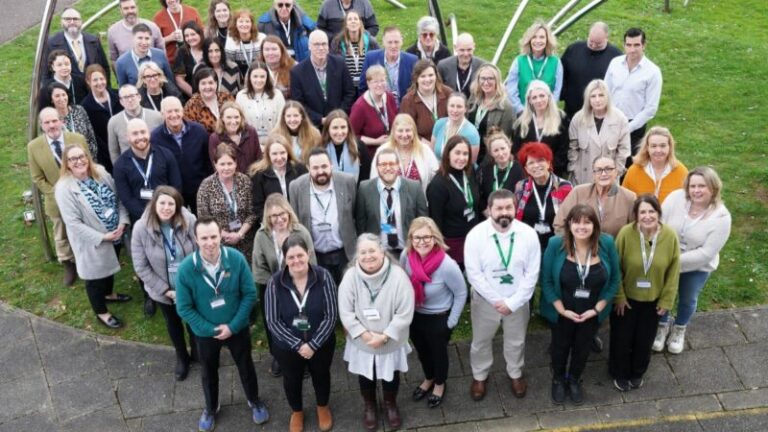
Partners involved in the Connect to Work programme across Devon, Plymouth and Torbay gathered at a special event on Tuesday 24 February to support the rollout of the initiative.

Connect to Work is being led by Devon County Council in partnership with Plymouth City Council and Torbay Council. It aims to improve access to employment, health and skills support for over 6,000 people in the region to help reduce economic inactivity.

The scheme is being backed with £22.7 million from the Department of Work and Pensions.

The event at the Future Skills Centre in Exeter brought together a range of organisations delivering the programme, including Devon County Council, Plymouth City Council, Torbay Council, Learn Devon, Eat That Frog, I Can Do That, United Response, Crystal Pathways, and Pluss.

It was an opportunity for partners to align their approaches and strengthen relationships to ensure a seamless, high-quality experience for every participant accessing the programme.

Councillor Simon Clist, Devon County Council Cabinet Member for Assets and Resources, said: “This event was a good opportunity to bring partners together to ensure the programme reaches the people who will benefit most and that support is consistent right across the county. The aim of this initiative is to help individuals overcome barriers to employment and move towards fulfilling jobs. There’s a strong sense of shared purpose from all involved in this project, which highlights the importance of working collectively across Devon, Plymouth and Torbay.”

Councillor Chris Lewis, Torbay Council’s Deputy Leader and Cabinet Member for Place Development and Economic Growth, said: “Connect to Work is all about supporting people to overcome the barriers they may face to finding and staying in work. This collaboration event offered a valuable opportunity for partners to come together and share insights, strengthening the roll out of the programme across Devon, including here in Torbay. It also highlighted the collective commitment of everyone involved in Devon’s programme to delivering impactful, high-quality support that enables participants to achieve their employment goals.”

Councillor Sally Cresswell, Plymouth City Council Cabinet Member for Education, Skills and Apprenticeships said: “Connect to Work is all about giving people the support, confidence, and the tools they need to make their next step into employment. The collaboration event was an opportunity for us all as partners to come together to plan how we help bring this to fruition.

“Connect to Work brings together personalised guidance, training opportunities and direct links with local employers to help residents move forward, working as partners helps us bring all of our expertise together for this project.”

The Devon and Torbay Combined County Authority retains strategic oversight of Connect to Work, ensuring the programme aligns with the ambitions of the Get Devon, Plymouth and Torbay Working Plan and the region’s Local Growth Plan. Together, these plans set out a unified approach to reducing economic inactivity, tackling labour shortages, and connecting residents to the skills and jobs needed to drive long-term, inclusive growth. The Combined County Authority’s oversight helps ensure Connect to Work plays a coherent role within that wider regional ambition.

For more information about Connect to Work and details on support available across the region, visit: https://www.devon.gov.uk/economy/employment-inward-investment/connect-to-work/