



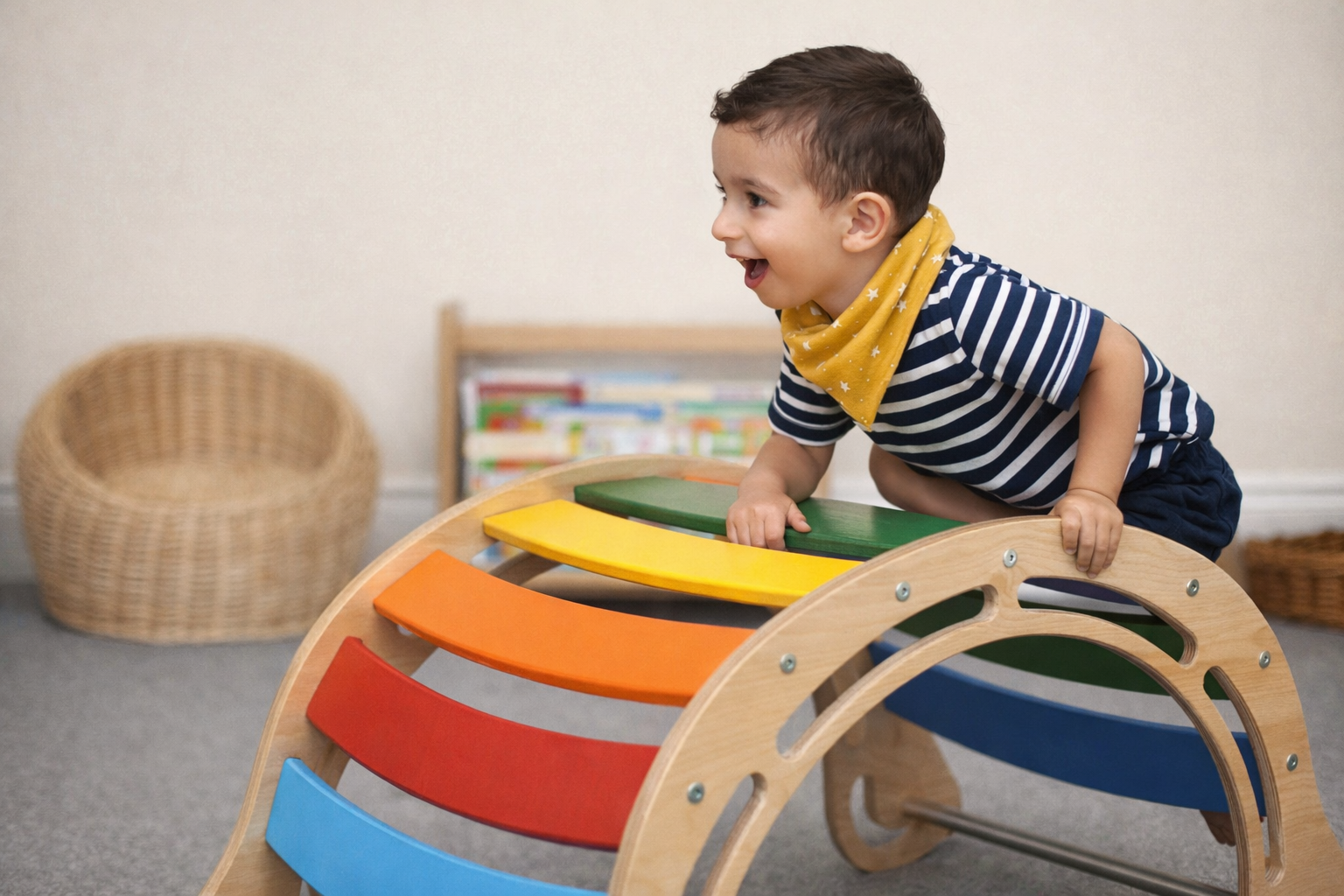
A nursery in Plymouth has been praised for creating “a welcoming environment” where children “feel emotionally secure” and develop a love of learning from an early age.
Bambinos at Frogmore Montessori, based at Frogmore House, 58 Frogmore Avenue, Plymouth, was inspected on 12 January 2026.
The childcare setting, which is registered to provide 55 places for children aged from 0 to 4, was found to be meeting the expected standard across all areas, with safeguarding arrangements confirmed as effective.
Inspectors reported that “the safeguarding standards are met. This means that leaders and/or those responsible for governance and oversight fulfil their specific responsibilities and have established an open culture in which safeguarding is everyone’s responsibility and concerns are actively identified, acted upon and managed. As a result, children are made safer and feel safe.”
The report highlights the strong progress children make from their starting points. Inspectors found: “Children, including those who are disadvantaged or have other barriers to their learning, progress well from their starting points. They gain the key skills needed for future learning.
“Typically, children are confident to express themselves and ask for help when needed, although staff’s support for children’s communication and language development is inconsistent.”
From a young age, children are encouraged to become independent. “Pre-school children pour their drinks, spread butter onto crackers and put away their used dishes after mealtimes,” the report states, while two-year-olds develop coordination and strength through activities such as using pipettes to transport water and digging in sand.
Behaviour and attitudes were also praised. “Leaders and staff create a warm and calm environment and give clear and consistent expectations for children’s behaviour, taking account of children’s age and stage of development. Children behave well, showing respect for each other and staff.”
Inspectors noted that relationships between staff and babies are “sensitive and nurturing”, adding: “Parents share extremely positive views about the bonds their children have formed with their key persons.”
Children’s welfare and wellbeing are central to the nursery’s approach. “Relationships between staff and children are respectful and warm and promote children’s wellbeing. Staff are kind, sensitive, patient. They know the children well and support children’s individual needs. All children have a strong sense of belonging, including disadvantaged children and those who may face other barriers to their learning and/or wellbeing.”
Settling-in arrangements are adapted to suit individual children, and “new children feel comfortable to go to their key person for cuddles when they are upset, unsure or need help”. However, inspectors noted that “staff do not always share detailed information with parents about their children’s day and who is looking after them, to promote consistency in children’s experiences.”
The curriculum was described as “broad and balanced”, with a particular focus on physical, personal, social and emotional development. Staff assess children accurately and plan activities to build on what they already know. Children show “curiosity, creativity, imagination and enthusiasm” in their learning.
The inspection also found strong leadership. “Leaders reflect accurately on the nursery. They identify areas for improvement that will directly impact children’s education.” Staff morale is high, with leaders said to prioritise staff wellbeing and provide effective support and coaching.
In a section titled What it’s like to be a child at this setting, inspectors painted a vivid picture of daily life. “Children enjoy their learning and play with creativity and curiosity. Adult-led activities are planned around children’s interests, such as learning about birds after children observed some while looking out of the nursery windows.”
The report concludes that children “develop a love of books”, eagerly gathering to listen to stories, while “children behave well and play cooperatively”, inventing games and even “spontaneously cuddle their friends.”