



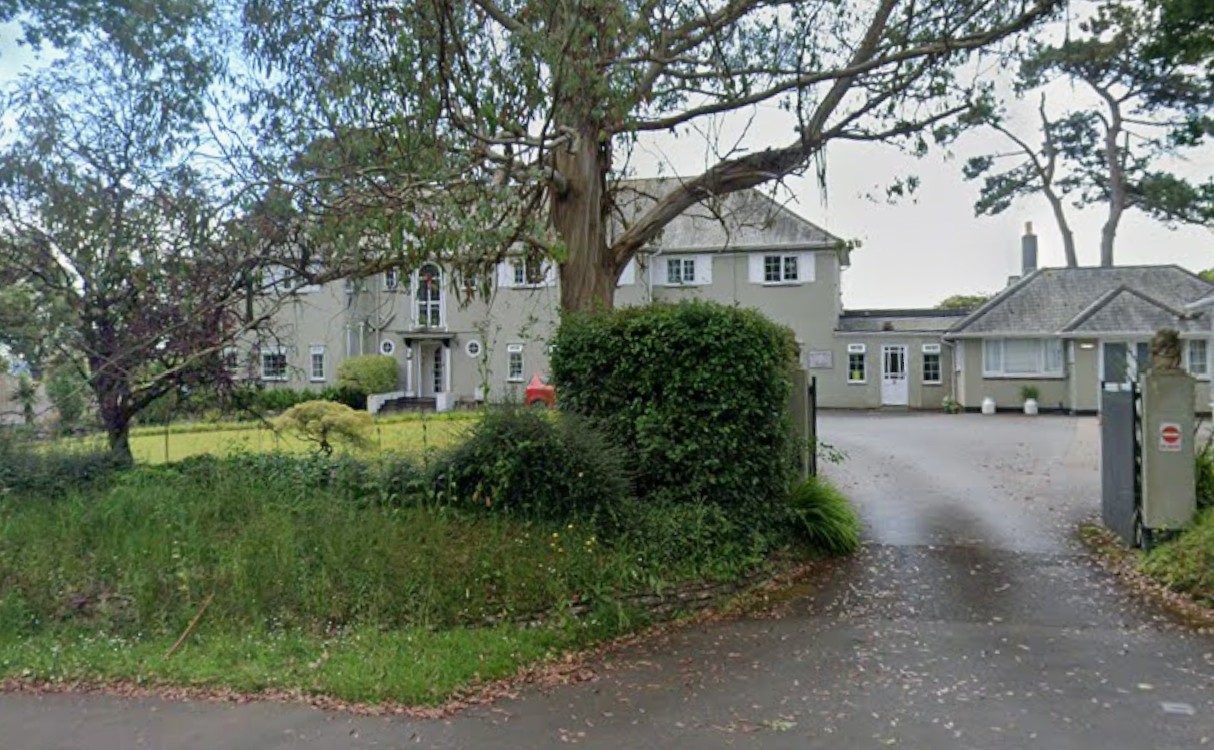
The Care Quality Commission (CQC) has downgraded the overall rating for Burrow Down Residential Home in Paignton, Devon, from good to inadequate. It has placed the home into special measures to protect people following an inspection in November and December.
Burrow Down Residential Home is a care home for autistic people and people with a learning disability run by Burrow Down Support Services. There were 13 people living there at the time of this inspection, which was carried out in response to safeguarding concerns and issues identified at other services operated by Burrow Down Support Services.
Inspectors found nine breaches of regulations relating to providing people with person-centred care, safeguarding people from abuse and improper treatment, consent, safe care and treatment, safe recruitment, staffing, notification of incidents, dignity and the overall management of the service.
CQC has downgraded the areas of safe, effective and well-led from good to inadequate. Caring and responsive were not inspected and remain rated as good.
CQC has placed the service into special measures which involves close monitoring to ensure people are safe while they make improvements. Special measures also provides a structured timeframe so services understand when they need to make improvements by, and what action CQC will take if this doesn’t happen.
CQC has also begun the process of taking further regulatory action to address the concerns, which Burrow Down Support Services has the right to appeal.
Stefan Kallee, CQC’s deputy director of adult social care for the South West, said: “When we inspected Burrow Down Residential Home, we found a poor culture where leaders didn’t ensure people were safe or consistently treated with dignity and respect. Leaders also hadn’t ensured staff understood the importance of choice, control, independence and inclusion for improving people’s quality of life.
“It was clear that staff at all levels didn’t understand how to deliver high-quality support for autistic people or people with a learning disability.
“As a result of this, people weren’t being cared for in line with regulations and best practice guidance. For example, the service was restricting some people’s freedom by not allowing them to leave the home without staff, and by using door alarms and audio monitors to keep track of their movements.
“Staff hadn’t assessed whether people had mental capacity to consent to these restrictions, or whether they were in their best interests, which they should have done to comply with the Mental Capacity Act 2005. This means people’s rights may have been unlawfully restricted.
“Inspectors were equally concerned by the service’s failure to manage risk and the safety implications this could have for people living at the home. For example, one person with diabetes had it detailed in their care plan that staff should seek medical advice if their blood sugar levels went above or below a specific range. Records showed this had happened on 29 occasions when staff hadn’t raised concerns, placing that person at risk of rapid health deterioration.
“We’ve told Burrow Down’s leaders exactly where they must make immediate and significant improvements and we’re monitoring the home closely to keep people safe in the meantime.”
Inspectors found:
- Senior managers weren’t recognising safeguarding concerns or taking action to keep people safe and uphold their human rights. Eight incidents should have been referred to the local authority and CQC, including concerns about financial abuse and degrading treatment.
- Leaders didn’t provide enough staff or ensure staff had the skills and experience to meet people’s needs. One person who was funded for 2-to-1 staff support didn’t consistently receive this level of care.
- The service didn’t keep families informed or address their concerns. One relative was told there had been an incident involving their loved one and a member of staff but wasn’t given a clear explanation.
- The service didn’t provide a safe environment for people. There weren’t tamper-proof restrictors on upstairs windows, even though someone’s care plan stated they had a known risk of leaving premises through a window.
- Leaders didn’t ensure people’s care and support plans were kept up to date or that agency staff read them. This meant staff weren’t always aware of people’s health conditions or risks and could be providing care that was unsafe or didn’t meet people’s specific needs.
- Leaders were responsible for a culture where staff didn’t feel supported and didn’t feel listened to when they raised concerns. The service didn’t consistently investigate concerns or act on them, which meant opportunities to identify learning and improve the quality of care were missed.
The report will be published on CQC’s website in the coming days.