



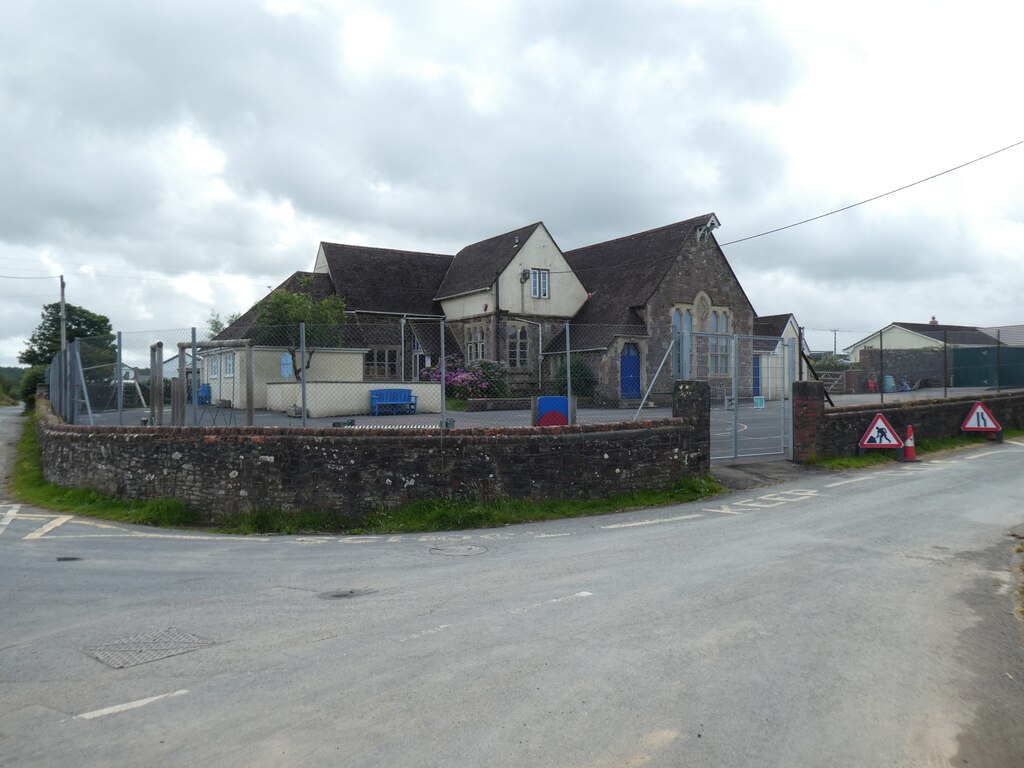
“A supportive family” where pupils “arrive with a sense that they belong” – inspectors have praised the atmosphere and standards at a small Devon primary school following a recent Ofsted inspection.
Parkham Primary School, near Bideford, was inspected on Monday, January 6. The school has just 59 pupils on roll, far below the national average of 272, and inspectors highlighted the benefits of its small size in shaping a close-knit school community.
In the report, inspectors said: “Pupils enjoy school and arrive with a sense that they belong here. They attend often. The school’s small size ensures that staff and pupils know each other well. Pupils describe their school as a family. They are keen to socialise with their friends before lessons begin and behave well in the playground.”
Early years provision at the school was judged to be of a strong standard. Inspectors said leaders have prioritised developing the youngest pupils’ learning, ensuring children receive “a secure educational start”.
The report states: “Leaders have prioritised the development of the early years, resulting in high-quality provision from when children begin school. Children receive a secure educational start. Leaders have designed a well-thought-out, research informed curriculum.”
Inspectors noted that regular checks on children’s learning help staff quickly identify those needing extra support, while strong partnerships with parents and external agencies ensure that pupils with special educational needs and/or disabilities receive appropriate help.
Staff were also praised for how they engage with younger children. The report says: “Staff engage purposefully with children through skilful, direct teaching and adapt their level of support to meet individual needs. Activities are carefully chosen to develop children’s skills and imagination.”
Across the school more widely, pupils were found to be achieving well, with leaders placing a strong emphasis on core skills such as reading, handwriting and number knowledge.
Inspectors wrote: “Pupils achieve well at Parkham Primary School. Most are well prepared for the next stage of their education. The broad curriculum ensures that pupils develop appropriate knowledge and skills in different subjects.”
They added that recent training for staff in phonics has helped strengthen reading outcomes. “In recent years, leaders have prioritised training for staff in phonics. This has led to consistently improving outcomes for pupils. This ensures that pupils develop a secure foundation of knowledge and skills for reading.”
Behaviour and attendance were also highlighted as strengths. Inspectors said pupils behave well, with disruption in lessons rare.
The report states: “Pupils behave well and incidents of low-level disruption are rare. Staff hold consistently high expectations for pupils’ conduct and promote pupils’ self-discipline and independence from an early age.”
Playtimes and lunchtimes were described as “safe, orderly and calm”, with pupils demonstrating good manners and positive relationships with one another.
Inspectors also praised the school’s inclusive ethos, particularly the support provided for pupils with special educational needs and/or disabilities. Staff receive training to help them meet pupils’ needs, while leaders work closely with external agencies when additional expertise is required.
“Leaders and staff are ambitious for all pupils, including those with special educational needs and/or disabilities (SEND), to be fully included in all that the school provides,” the report says.
Leadership and governance were found to be effective, with inspectors highlighting a culture focused on pupils’ best interests.
“Across all levels of leadership, there is a culture that each decision is made in the best interests of pupils and the school community,” inspectors said. “They recognise the complexities associated with a small school with mixed-age classes. This does not limit leaders’ ambition and they remain committed to ensuring high expectations and positive outcomes for all pupils.”
Staff wellbeing was also noted positively. According to the report: “Staff speak positively about leaders’ consideration of their wellbeing and work–life balance. They value the opportunities for ongoing training and recognise the positive impact this has on their teaching and pupils’ achievement. Staff describe the school as a ‘supportive family’.”
Inspectors identified areas for further improvement. Leaders have been advised to strengthen how assessment and feedback are used in some foundation subjects so that gaps in pupils’ knowledge are addressed more precisely. They were also encouraged to continue developing pupils’ understanding of cultural diversity to better prepare them for life in modern Britain.