



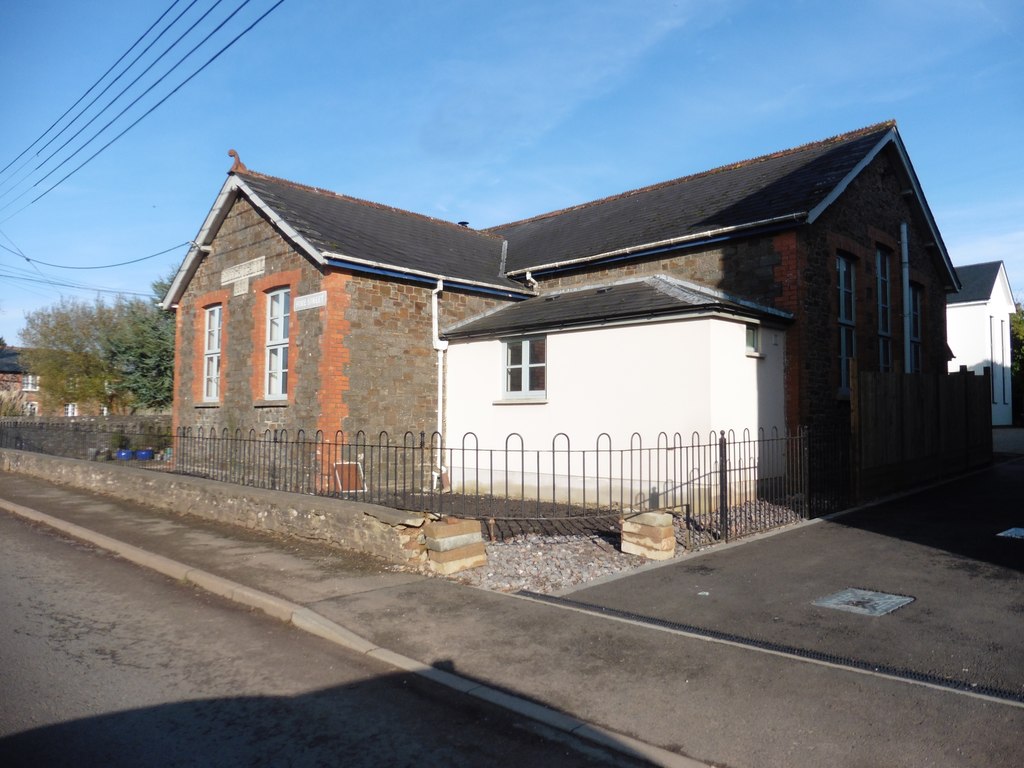
“A welcoming start to the school day” where pupils “are kind and respectful towards one another” has been highlighted in a positive inspection of a Devon primary school.
Inspectors said Witheridge Church of England Primary Academy has built a calm and inclusive environment where pupils feel safe, behave well and benefit from a wide range of opportunities both inside and outside the classroom. The small rural school, in Fore Street, has 127 pupils on roll.
In their report following an inspection on Tuesday, January 13, inspectors said safeguarding standards are met and leaders have created “an open and positive culture of safeguarding”.
The report notes: “Staff greet pupils and their families warmly each morning, helping to create a welcoming start to the school day. School and trust leaders set high expectations for every pupil and foster a strongly inclusive culture. Staff know each pupil’s needs well.”
As a result, inspectors found that pupils who face barriers to learning are quickly identified and supported.
The report says: “Pupils are kept safe. They behave well, and the school has a calm, purposeful atmosphere. Attendance is high, reflecting pupils’ enjoyment of school and their commitment to learning. There are no incidents of bullying.”
Inspectors praised the school’s approach to inclusion, highlighting how leaders work closely with families and the wider community. Staff hold “high expectations for what all pupils can achieve, regardless of their background or starting point”.
Leaders also run initiatives such as coffee mornings for parents and baby and toddler sessions to build relationships with families and identify potential barriers to learning early. Support for pupils with special educational needs and disabilities was also highlighted as a strength.
The report states: “With support from the trust’s experienced special educational needs team and external agencies, staff are trained to identify pupils’ needs swiftly. Staff use a clear, step-by-step approach to identifying and meeting pupils’ needs effectively.”
Inspectors said vulnerable pupils benefit from tailored activities designed to build confidence and resilience, including outdoor initiatives and residential experiences.
“Vulnerable pupils benefit from tailored initiatives such as confidence-building outdoor activities, including surfing, and specialised overnight residentials,” the report says. “These opportunities help pupils who are vulnerable or who have social, emotional and mental health needs to develop confidence and resilience.”
Personal development at the school was also rated highly, with inspectors pointing to a wide range of enrichment opportunities.
These include residential visits, cultural trips and trust-wide activities that encourage collaboration between pupils from different schools. Inspectors noted that experiences such as visiting the Houses of Parliament and taking part in moorland navigation challenges broaden pupils’ horizons and help prepare them for life beyond primary school.
The report says: “Events such as UK Parliament Week and a partnership with a primary school in Mumbai widen pupils’ horizons and deepen their understanding of different countries and cultures.”
Inspectors also highlighted the role of the school’s outdoor environment in supporting pupils’ wellbeing.
“Playtimes contribute positively to pupils’ wellbeing,” the report states. “Pupils can walk a mile and play collaboratively at lunch, building dens, using sandpits and creating swings with tyres. Peer mediators support other pupils to get involved.”
Academically, inspectors said pupils achieve well overall. Attainment in national tests at the end of Year 6 is “generally above national averages, including for disadvantaged pupils”.
The inspection also highlighted the school’s broad curriculum, which reflects its rural setting while preparing pupils for the wider world.
“This small school has benefited from collaboration across the trust to design an ambitious and broad curriculum,” inspectors said. “The curriculum reflects and celebrates the local rural environment. For example, pupils learn about farming and agriculture using subject-specific vocabulary.”
Inspectors said leaders have a clear vision for the school and are ambitious for pupils in the rural community, aiming to ensure children value their surroundings while developing “a strong sense of belonging to a wider, global community”.