A football fan hoping to watch one of Europe’s biggest clubs instead found himself at a very different ground – after travelling to the wrong St James Park.
The FC Barcelona supporter arrived at Exeter City’s stadium expecting to see his side take on Newcastle United, only to realise the mistake when he showed staff his ticket at the turnstiles.
The Spanish fan had travelled from London and headed to the Adam Stansfield Stand at Exeter City’s St James Park. It was only when he presented his ticket to staff that the mix-up became clear.
Despite the confusion, the visitor was still able to enjoy an evening of football after Exeter City staff arranged for him to watch the club’s match against Lincoln City under the floodlights.
Adam Spencer, supporter experience officer at Exeter City, said: “One of our volunteers came to the office to let us know that this guy had turned up expecting to see FC Barcelona.
“His English was not great, but from what we could gather, he had come from London. My guess is he had put St James Park in his phone and then just followed the directions from there.”
Adam added that the supporter was disappointed when he realised the error.
“He was pretty gutted and a bit embarrassed,” he said.
“So, we sorted him out a ticket and he got to watch a game at the real St James Park.
“He would be welcome back any time.”
The mix-up likely stemmed from the fact that both Exeter City and Newcastle United play at grounds called St James Park.

A team from The Donkey Sanctuary in Sidmouth responded to a call for assistance from police following concerns for the welfare of two donkeys in Worcestershire.
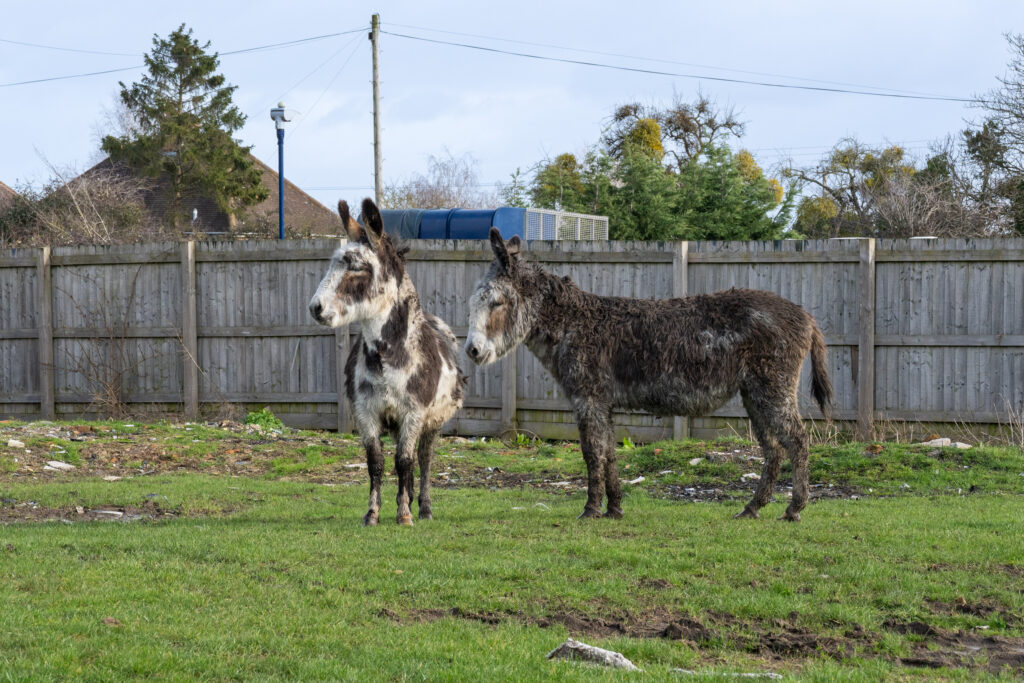
The pair of donkeys had been straying onto the road repeatedly, near the market town of Pershore, posing a risk to themselves and other road users.
In response to calls from the public, the officers from West Mercia Police were regularly attending to manage traffic, but needed help to find a long-term-solution.
After providing advice to the police over a number of weeks, arrangements were made to visit the location on 23 February to assess the welfare of the donkeys.
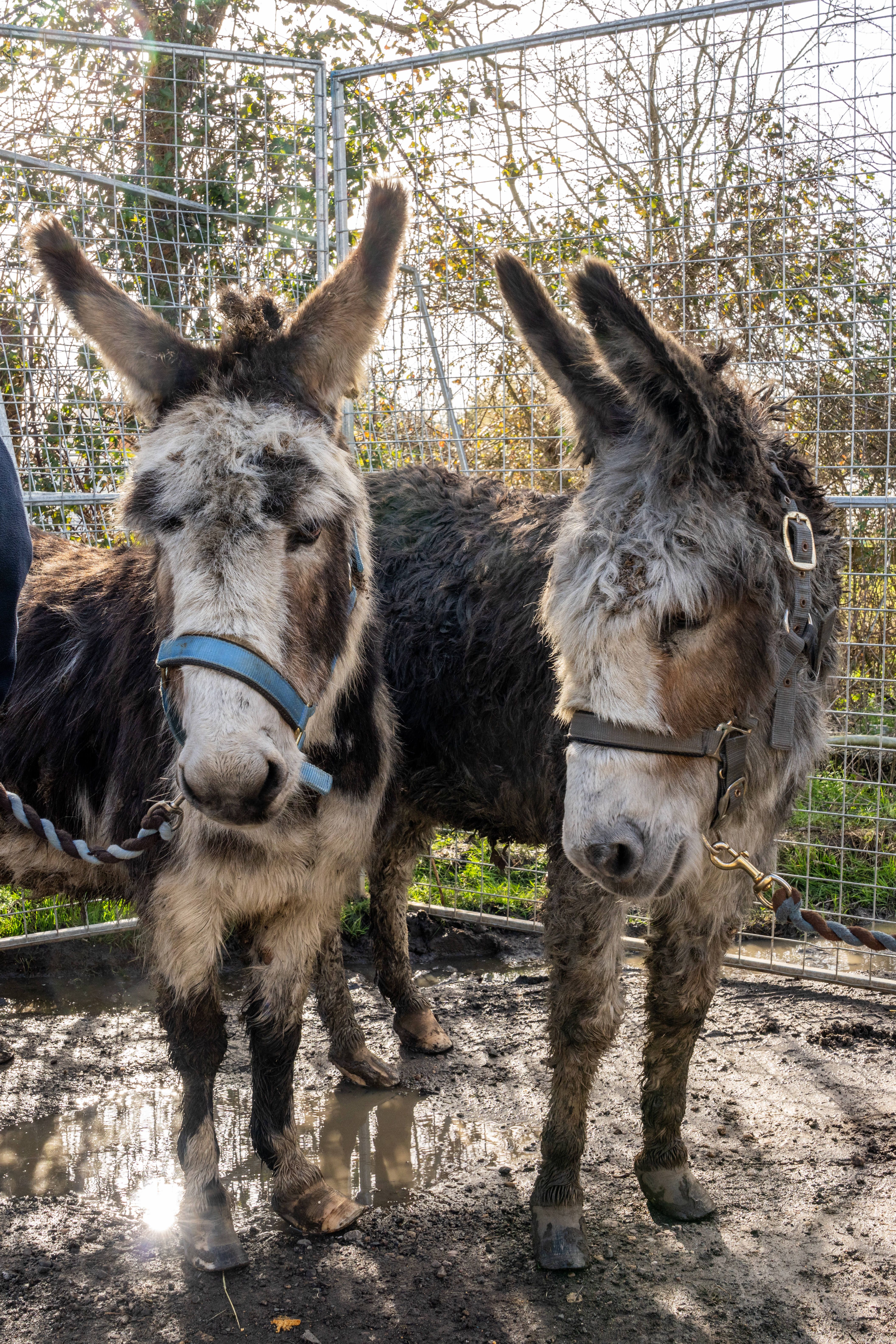
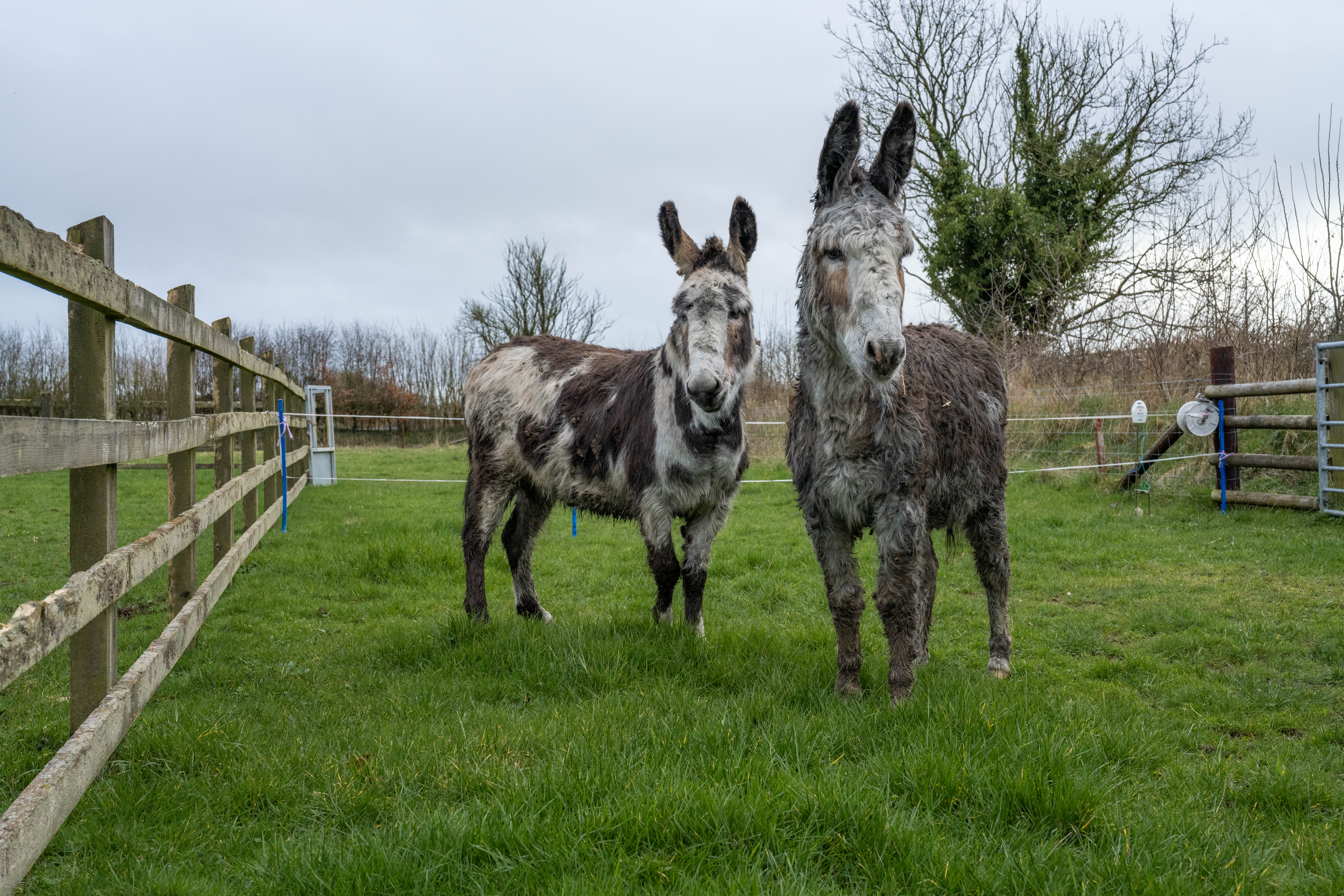
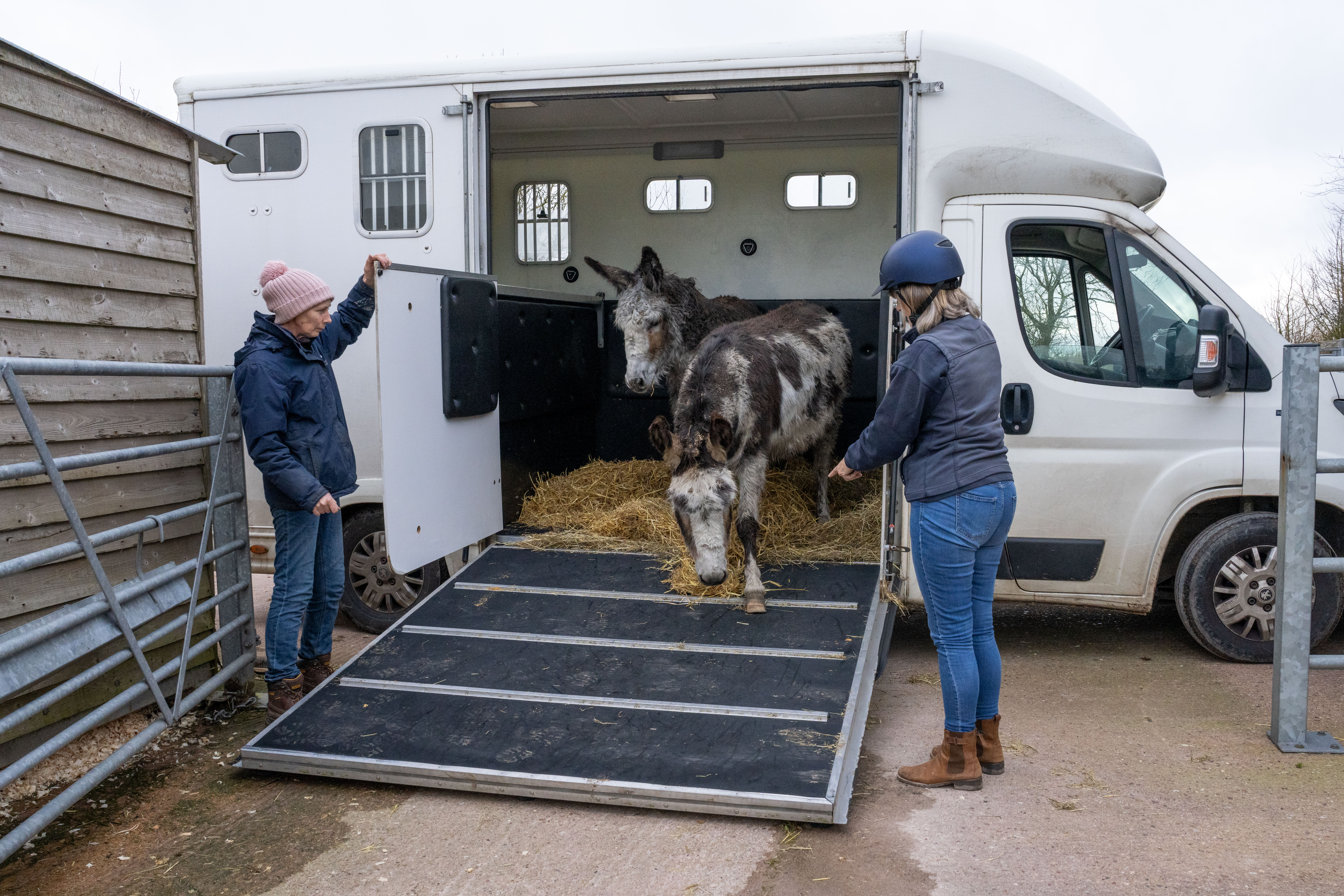
Two donkeys, Grapefruit (grey) and Elderflower (skewbald) rescued from a waterlogged field in WorcesterTwo donkeys, Grapefruit (grey) and Elderflower (skewbald) rescued from a waterlogged field in WorcesterTwo donkeys, Grapefruit (grey) and Elderflower (skewbald) rescued from a waterlogged field in Worcester. The donkeys are introduced to their new home at SidmouthTwo donkeys, Grapefruit (grey) and Elderflower (skewbald) rescued from a waterlogged field in Worcester. The donkeys are introduced to their new home at Sidmouth
Ahead of the visit Hannah Bryer, The Donkey Sanctuary’s Head of Welfare, was able to make contact with the owner of the donkeys who agreed, in the circumstances, it was in the donkeys’ best interest to come into the care of The Donkey Sanctuary, and with their consent, arrangements were made to collect the donkeys during the visit.
On arrival the environment was found to be quite challenging, as the field the donkeys were living in was not secure, and they were initially nervous of new people.
With support from a World Horse Welfare Field Officer, who brought along some handling pens, the team from The Donkey Sanctuary and four police officers were able to secure the field and create a safe handling and loading area.
Once the donkeys, who have since been named Grapefruit and Elderflower, were fitted with headcollars they were given time to relax then checked that they were fit to travel by sanctuary vet Jamie Forrest, before being driven to the charity’s New Arrivals Unit in Sidmouth.
A spokesperson for West Mercia Police, said: “As many local residents will know, two donkeys had been frequently escaping from their home, which created a significant demand on policing due to the need for repeated officer attendance.”
“It was agreed that the donkeys could be moved to The Donkey Sanctuary in Sidmouth. Although that may sound simple – these two donkeys are true escape artists!”
“After a few hours of teamwork and patience, both donkeys were safely secured and transported to their new home at The Donkey Sanctuary.”
Hannah Bryer, said: “Donkeys are naturally curious animals who enjoy interacting with their environment and will naturally browse hedgerows and other shrubs.
“Whilst opportunities to perform this natural behaviour is incredibly beneficial to their wellbeing, donkeys can find their way through narrow gaps in hedgerows and fences so it’s really important that owners provide a safe environment and check the boundary to their fields are secure.”
By working collaboratively with the donkeys’ owner, West Mercia Police, and with support from World Horse Welfare, Grapefruit and Elderflower have a safe and secure future.
They are now being cared for by the charity’s new arrivals team in Devon, where they have had their feet trimmed and are receiving ongoing veterinary care.
The police spokesperson added: “A huge thank you to The Donkey Sanctuary for their incredible help, advice, and support over the past month.
“This outcome truly would not have been possible without them.”
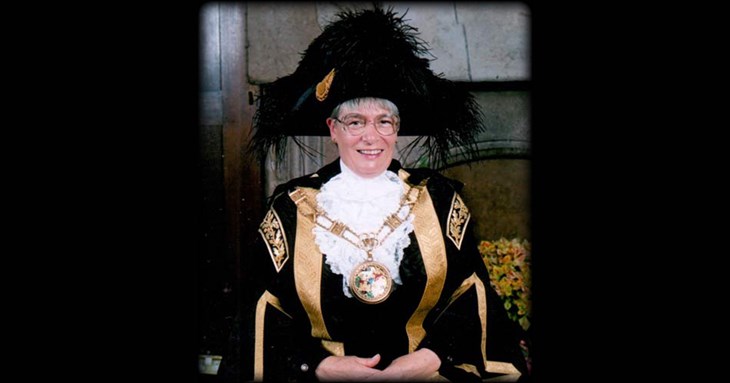
Former Exeter Lord Mayor Margaret Danks has died at the age of 82.
Margaret Danks passed away on Tuesday 3 March, surrounded by her loved ones.
Exeter City Council is saddened by the news and sends its condolences to the family and friends of the former councillor.
Former Cllr Danks served as Lord Mayor in 2002/03 and, at the time of her passing, was an Honorary Alderman for the city.
Born in Coventry, she moved to Exeter in 1984 with her husband, Keith, who also became a City Councillor and passed away last year.
She was first elected in 1994 as a Liberal councillor for the St Loyes ward, where she served until 2011.
She served on a number of committees and was Deputy Chair of Licensing from 2007 to 2010, and Deputy Chair of Scrutiny Economy in 2010.
Former Cllr Danks worked as a State Registered Nurse until her retirement in 2002 and was also Chair of Governors at Walter Daw School.
During her year as Lord Mayor, she raised money for the Exeter and East Devon branch of the Motor Neurone Disease Association as her chosen charity.
Former Cllr Danks’ funeral will be held at St Peter’s Chapel, Exeter Crematorium, at 11.30am on Wednesday 25 March. The current Lord Mayor, Cllr Anne Jobson, will be attending.
Teignbridge District Council’s Executive Committee has today (Tuesday 10 March) voted to open Teignmouth Lido this summer following a recommendation by the Overview and Scrutiny Committee last week (March 3).
The closure was due to have delivered a budget saving of £74,000 this year. However, after listening to the concerns of Councillors and members of the public about the impact of closure, the Executive Committee agreed to reverse its decision and open the Lido for the summer season in 2026.
Teignbridge District Council will operate the pool this summer but will work with community groups interested in taking on the Lido to ensure a safe handover.
While keen to involve the community, Councillors are also mindful of the need to ensure a fair playing field for any party interested in acquiring the site and of ensuring Teignbridge complies with legislation around procurement and assets of community value (ACV).
Councillors acknowledged the difficulties of balancing the books but agreed that opening the Lido would deliver value over price and enable the community to keep using the pool while Teignbridge works with groups to secure the asset’s long-term future.
Teignbridge District Council Deputy Leader and Executive Member for Economy Estates and Major Projects David Palethorpe said: “I believe opening the Lido is the right thing to do. It allows the community to keep using the pool while Teignbridge works with those who are looking towards its long-term future.”
Devon County Council welcomed student leaders from Isca Academy to County Hall for an insight‑rich visit centred around meeting and challenging the senior officers and councillors responsible for shaping services for children and families across Devon.
During the visit, students met with Donna Manson, Chief Executive of Devon County Council, who discussed her leadership journey and offered advice on ambition, public service and professional development, giving students a candid look at what it means to lead a large local authority.
A filmed interview followed with Jack Newton, Deputy Director and Head of Inclusion and Learning, and Councillor Richard Jefferies, Cabinet Member for Children’s Services, where students put forward prepared and challenging questions about decision‑making, inclusion, and how young people can influence local initiatives.
Students also shared ideas with the Council’s youth participation team on how to better reach younger audiences, and toured the historic civic spaces of County Hall, including the council chamber where key decisions are made.
Cllr Richard Jefferies, Cabinet Member for Children’s Services, said: “I was extremely inspired by the students’ insight and the clarity with which they spoke about what matters to young people in Devon. Their thoughtful questions and practical suggestions highlighted both the challenges they experience and the opportunities they want to see. Their contribution directly strengthens the work we’re doing to improve inclusion, widen access and support children and families across the county. It was an inspiring day for everyone involved.”
Vicki Joyce, Headteacher at Isca Academy, said: “I am incredibly proud of our student leaders for the maturity and confidence they showed during the visit. Being at County Hall was a fantastic opportunity to engage with local decision‑makers, learn about civic leadership, and see how their voices can make a real difference.”
A beloved children’s television star swapped slapstick for charity work as he toured the country to thank supporters of a hospice care charity marking a major milestone.
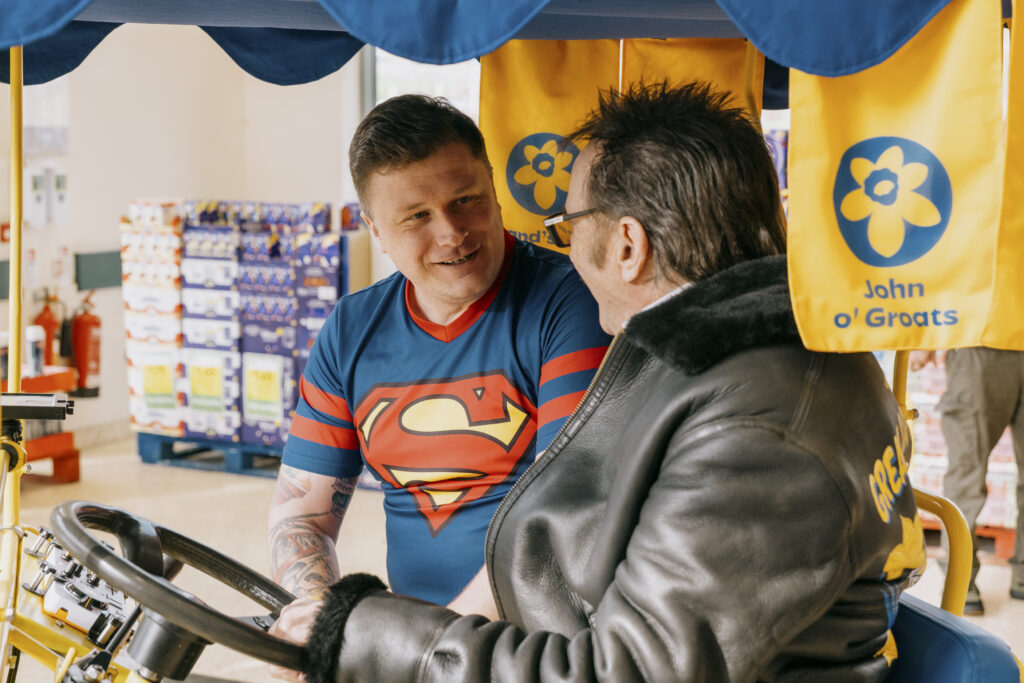
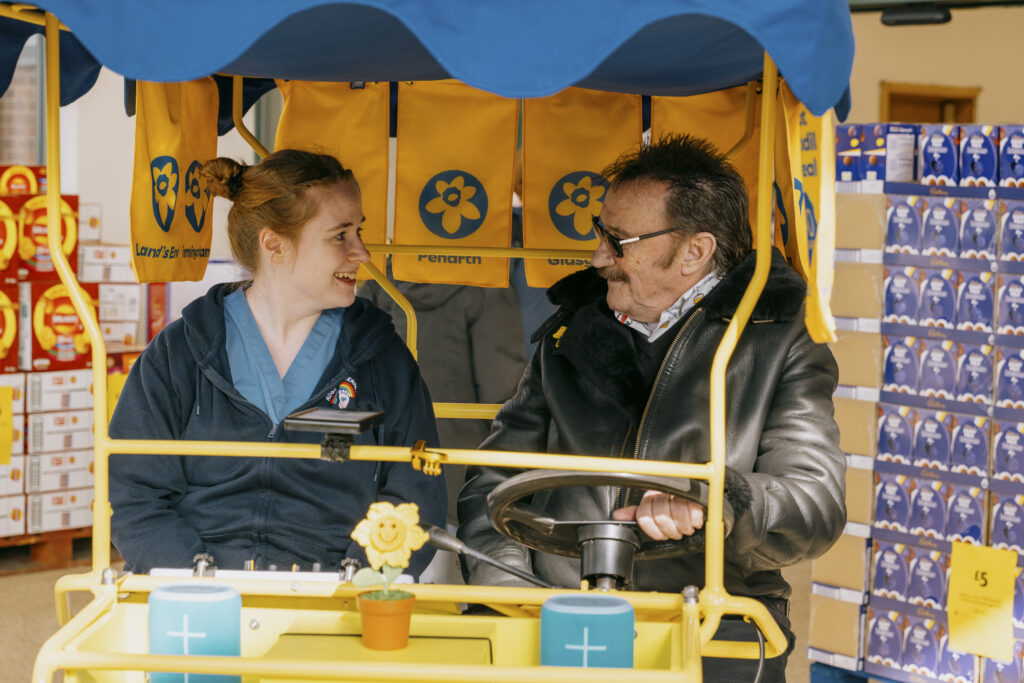
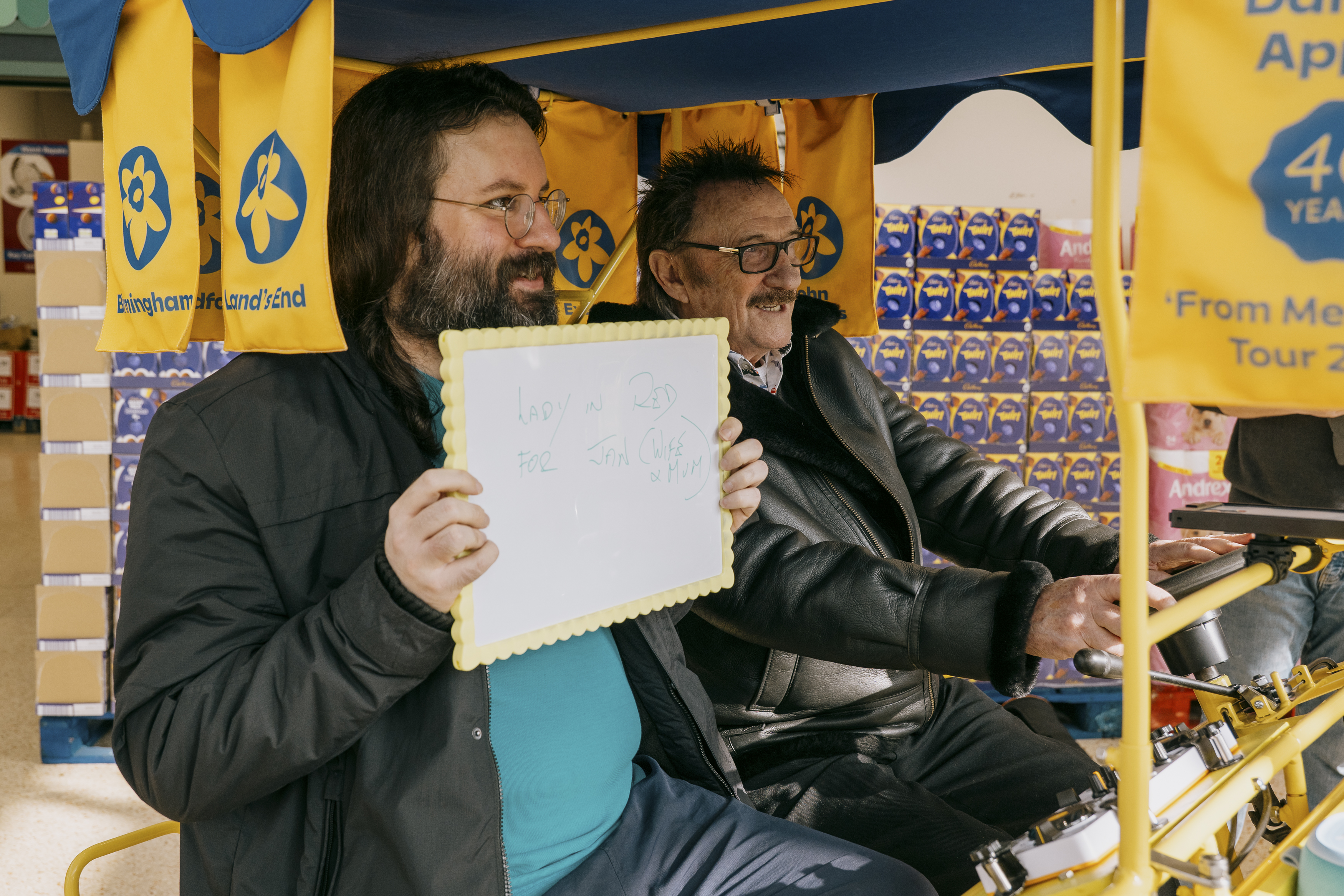
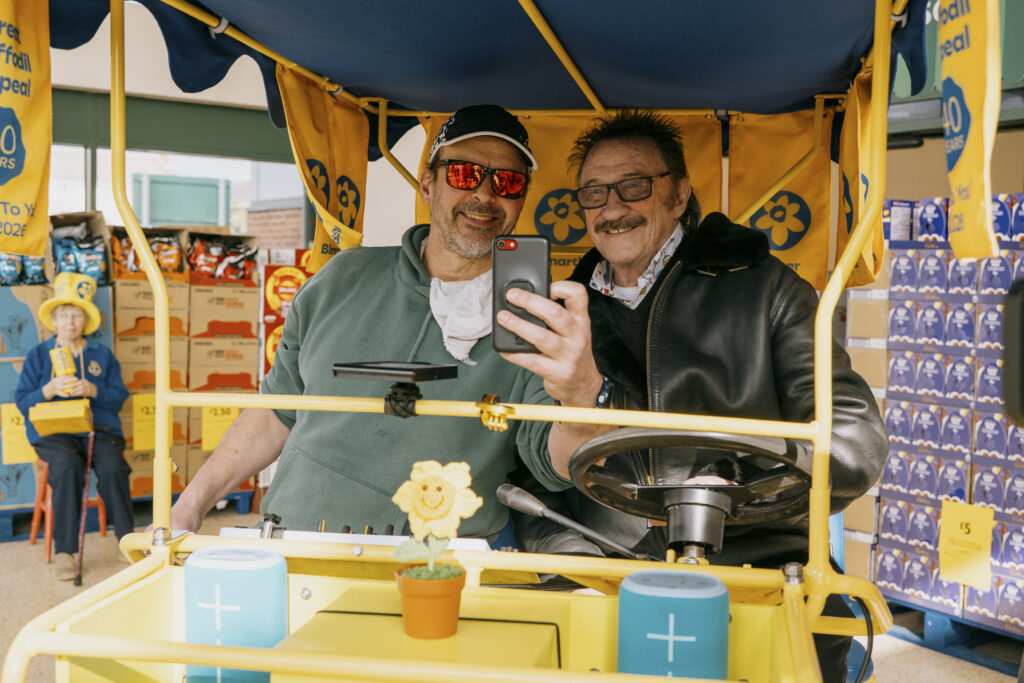
Paul Chuckle MBE has been travelling around the UK as part of a “thank you” tour celebrating the 40th anniversary of Marie Curie’s Great Daffodil Appeal, meeting volunteers, supporters and fundraisers who help the charity provide end-of-life care.
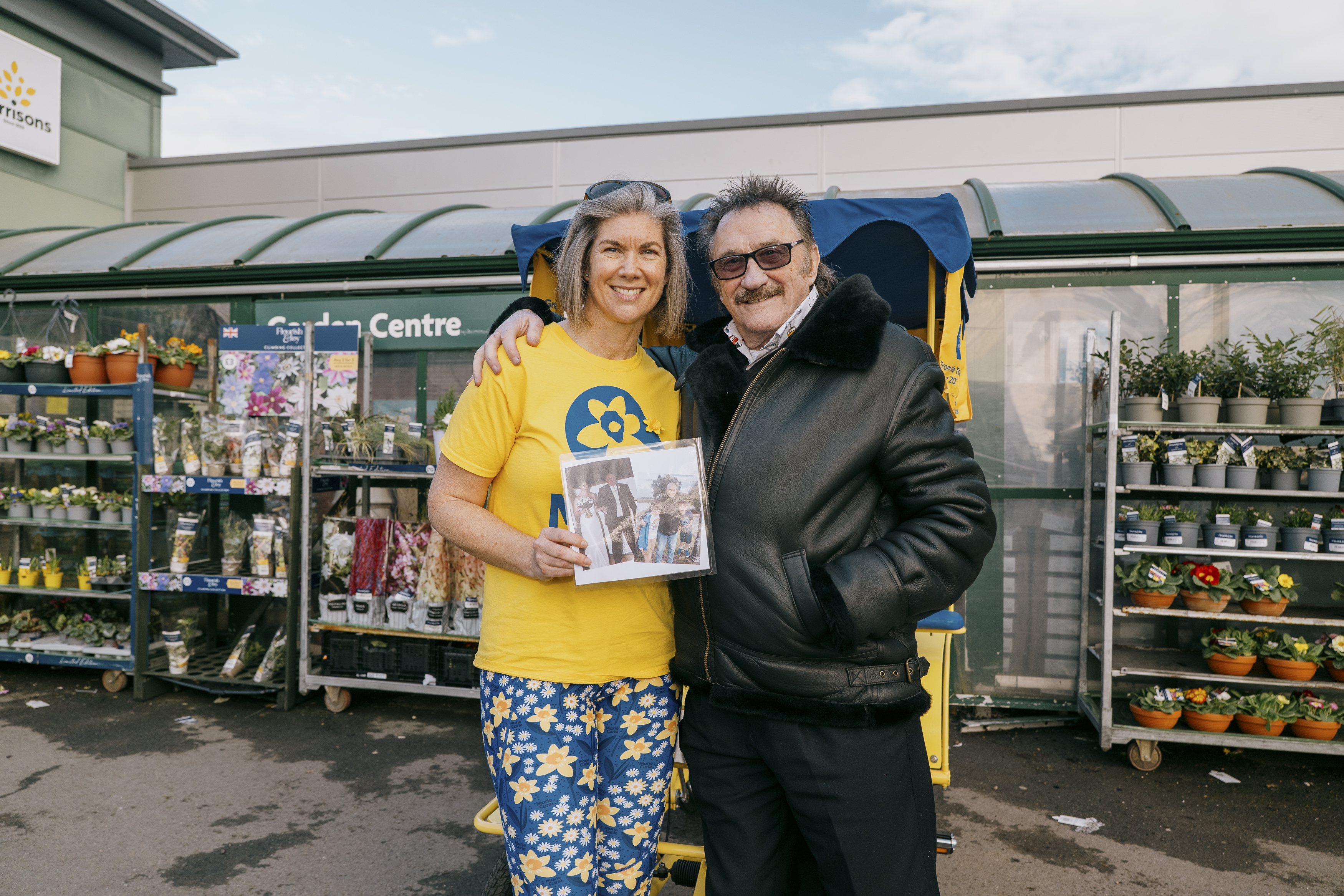
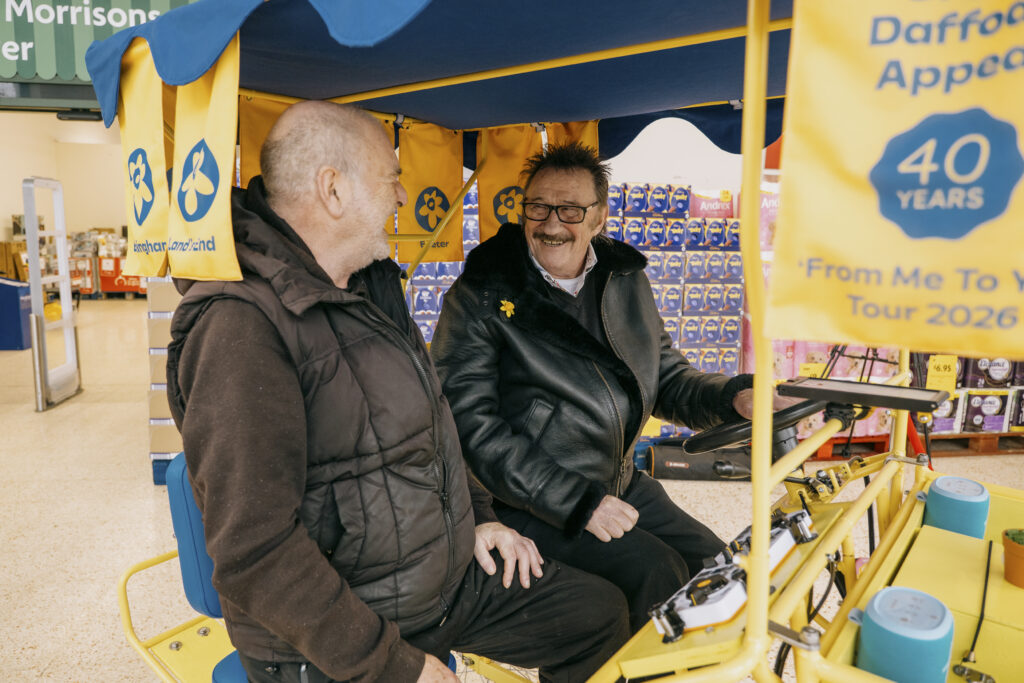
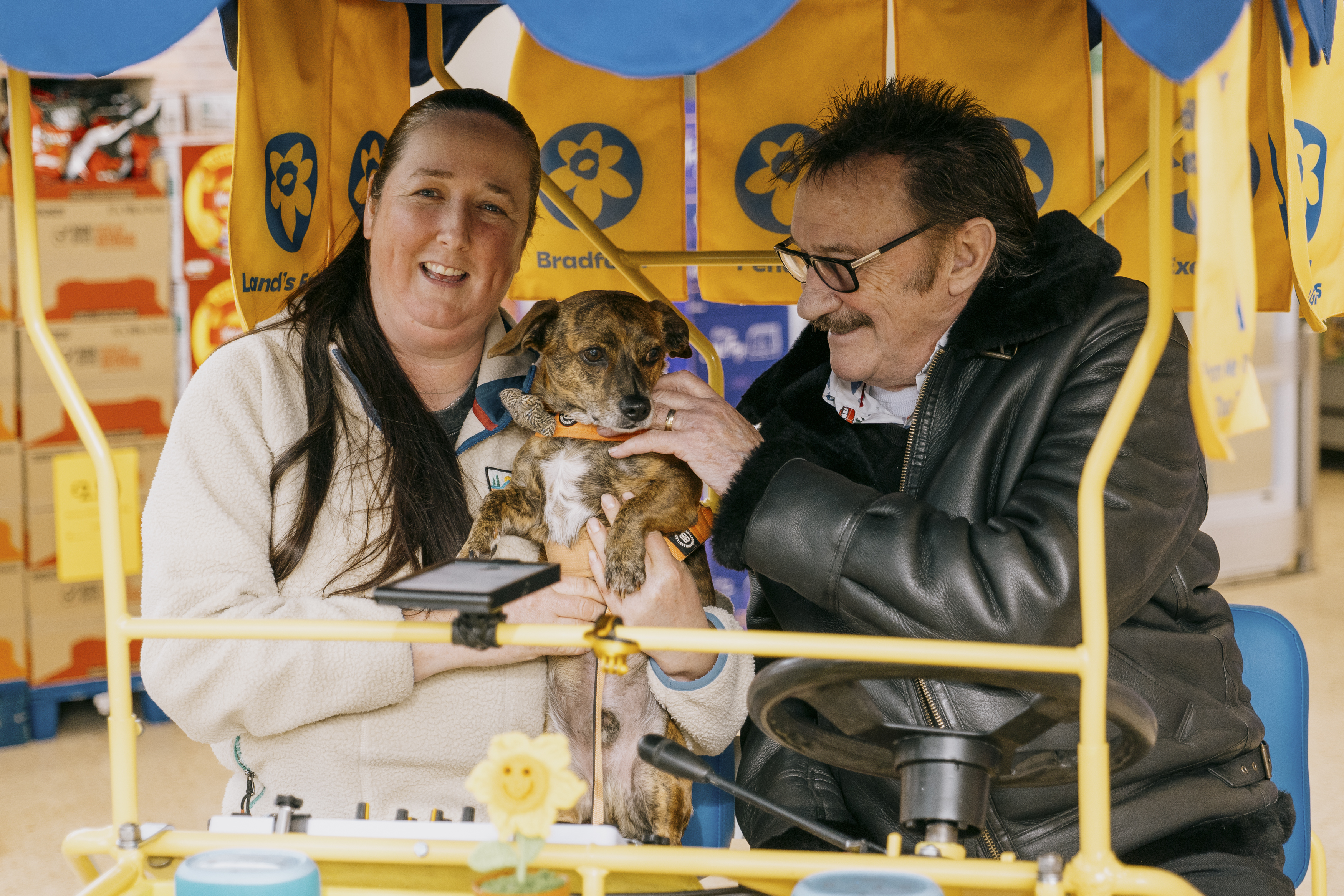
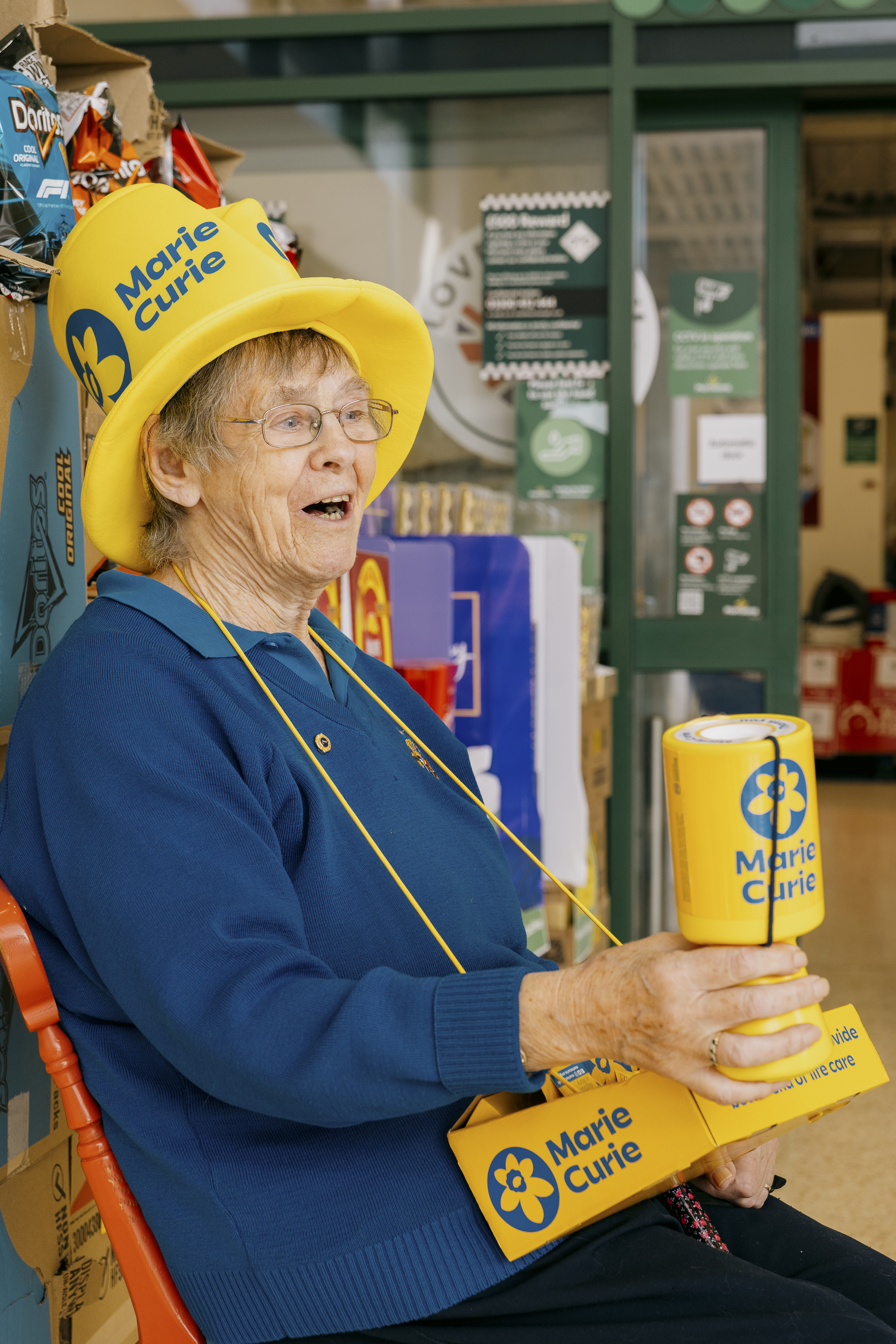
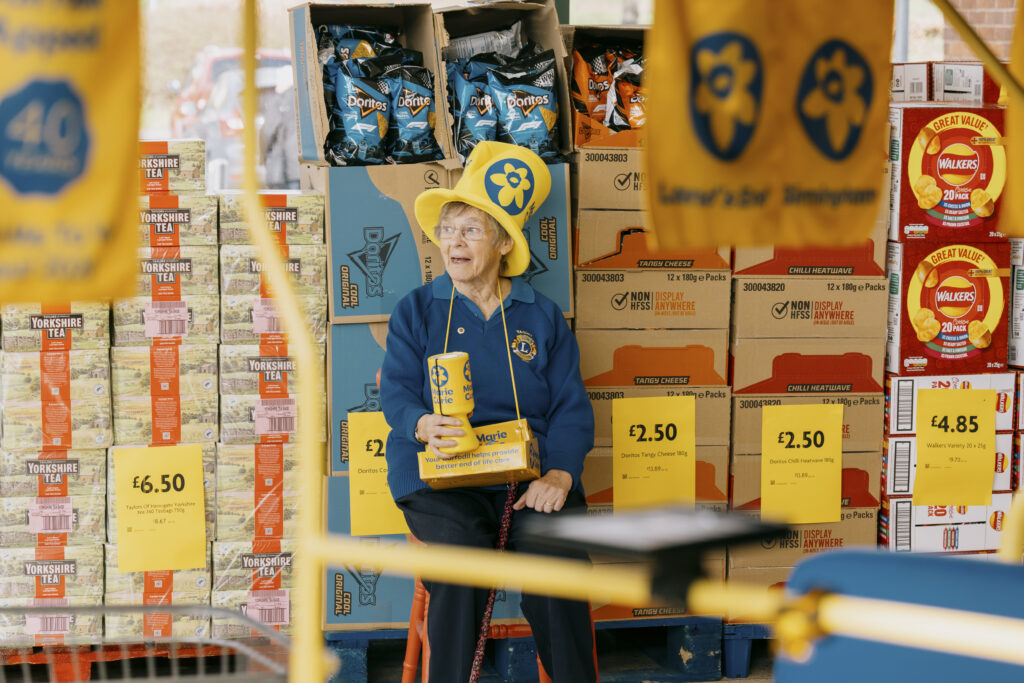
During a visit to a Morrisons store on Prince Charles Road in Exeter, Paul joined fundraising volunteers collecting donations and met members of the public while riding his “Daff bike” – a Marie Curie-branded Chuckle bike.
While there, he met local supporter Donna Manser, who is preparing to run the 2026 TCS London Marathon for Marie Curie next month. Donna also ran the marathon last year in aid of the charity, which is this year’s official London Marathon charity partner.
https://youtu.be/3f6ifeJCa3Q
Donna spoke to Paul about the care Marie Curie nurses gave her father, Bryan Rainbow, and the support they provided to the family.
She said: “After a simple phone call, both Hospiscare and Marie Curie stepped in and, from that moment, until the day dad passed away, my mum and dad had a Marie Curie nurse with them overnight, every night (except Christmas Day when we were all there).
“This meant that dad had the care that he needed and my mum got to have a night’s sleep knowing that if anything were to happen in the night she was not alone.
“I remember dad’s last breath and looking at the clock beside him, I really did think time would stand still but it did not. The minutes ticked by while we all held him.
“The nurses had not long left, so we called them to let them know and within no time at all they came back. I remember being so incredibly grateful at how much kindness and respect they showed him at that time.”
Paul also met Marie Curie nurse Charlotte Bullivant, who works as part of a recently formed team supporting patients in the emergency department at the Royal Devon and Exeter Hospital.
The team provides care for people attending the emergency department who have illnesses they are likely to die from, as well as support for their families.
Charlotte said: “To be able to share our new service with Paul and highlight the work we are doing to support people at end of life, who otherwise might not have the care and support they need, has been amazing.
“We know almost one in three people in England do not have access to the palliative and end of life care they need, often leaving them with no choice but to call 999 or attend the emergency department.
“When patients come into the emergency department they are often scared or frightened so if we can make that patient or their family just a little less scared then we have made a difference and allow them to die having received good end of life care.
“Palliative patients sometimes get admitted when hospital is maybe not the right place for them – we can support with getting them home again and allowing them to die in the place of their choosing.
“We have already supported 74 patients and their loved ones since we started in December, and we look forward to supporting more patients across the Exeter area as we continue with the service.”
Paul and his late brother Barry became Marie Curie ambassadors in 2016. Paul has remained a supporter of the charity following Barry’s death in 2018 after receiving care from Marie Curie nurses.
Paul said: “I am incredibly proud to be a Marie Curie ambassador. Marie Curie helped care for my brother Barry at the end of his life in 2018, so it is a charity very close to my heart.
“When you think about it, there is only one chance to give someone the best possible end of life. That is why the Great Daffodil Appeal is so important. Every penny raised will help Marie Curie provide expert end of life care and support to people with a terminal illness and those close to them.
“So, when I heard it was the 40th anniversary of the Great Daffodil Appeal, I knew I wanted to do something big, and something fun.
“Whilst I would love to be able to cycle the iconic John O’Groats to Land’s End route like so many incredible fundraisers do, I am really excited to get to travel the route with the ‘Daff bike’, raise lots of money for the charity and meet as many Marie Curie supporters, volunteers and staff as possible to say a huge thank you – from me to you.”
Speaking about why he supports the charity, Paul said Marie Curie provides vital support to families during some of the most difficult moments of their lives.
He said: “Marie Curie, it is a fabulous crowd of people. They look after you before somebody passes away and afterwards for as long as you need them. They are just there for you all the time, like a great big hug for everybody. They are just superb.”
Paul added that Marie Curie nurses had also supported members of his own family.
He said: “Barry got ill and they were there for him, they made sure he was fine. He wanted to die at home, so they got him a bed, a proper hospital bed in the house and looked after him every day, they were brilliant.
“Then just over a year later, the wife’s father passed away and they looked after him and the night he was on his deathbed at the finish, one nurse sat up with Sue all night long from about 10 o’clock at night until 7.30 in the morning so she would not be on her own because I was working.
“They do not make it easy. Nothing makes it easy, but they make it a hell of a lot better. They really do.”
Registered nurse Lottie Bullivant, who works with Marie Curie in Devon, said the funds raised through the appeal will help support more patients and services.
She said: “It is brilliant to have Paul Chuckle here supporting Marie Curie and supporting our 40th Daffodil Appeal. It is just amazing to have him, and we also know how much it meant to him when we cared for his brother, Barry, back in 2018.
“That will support patients receiving visits in their own homes to care for them when they are dying at home. It will support future staff being able to care for people and actually new services, like on our Exeter emergency department service.
“We are in the hospital setting, where people do not expect to receive palliative or end of life care quite like they would at home with Marie Curie, so it is making a huge difference.”
The Great Daffodil Appeal takes place once a year and encourages people to wear a daffodil pin and donate to help fund end-of-life care.
Donations can be made at mariecurie.org.uk/frommetoyoutour.
Pupils put their scientific thinking to the test as a day of hands-on experiments helped spark curiosity and kick-start a week of discovery.
Ruth from Devon Science led a full day of science enrichment workshops for pupils at All Saints CofE Primary School, where every class took part in practical activities exploring forces and electricity.
During the sessions, children worked on experiments designed to encourage problem solving and introduce key STEM concepts through interactive learning.
One activity saw pupils designing and racing balloon-powered cars, while others explored how electrical circuits work using materials such as playdough.
The event, held on Friday, March 6, marked the launch of the school’s programme of activities for British Science Week.
Further science-themed events are planned for Friday, March 13, with sessions set to be hosted by Smallridge Farm and Little Green Change.
Headteacher Mr Lee said the aim of the week was to encourage curiosity among pupils and inspire future interest in science-based careers.
Mr Lee said: “We hope that our Science week events will ignite curiosity in our pupils and encourage problem solving.
“Furthermore, we hope that all pupils will be more eager to pursue STEM subjects and careers.”
Pupils also shared their experiences from the day’s activities.
Luca said: “I really enjoying making the balloon cars and racing them against other people in my class!”
Khloe said: “I learned that electricity can pass through playdoh – even though it is a resistor – with enough power the led lights lit up!”
The workshops form part of a wider effort by the school to provide practical learning opportunities and introduce pupils to real-world science concepts in an engaging environment.
A blaze involving a caravan and a nearby van was tackled by firefighters after flames broke out in the open countryside – with a newly trained firefighter attending his first ever emergency call.
A crew from Newton Abbot fire station was mobilised to reports of a fire in the open near Abbotskerswell.
When firefighters arrived at the scene, they discovered a caravan and a variety of miscellaneous items well alight, with the fire beginning to spread to a nearby van.
The incident commander tasked two firefighters with hose reel jets to tackle the blaze while assessing the risk of the fire spreading further.
A second fire appliance was requested to provide additional water supplies as crews worked to bring the incident under control.
Additional firefighters used drag forks and a thermal imaging camera (TIC) to turn over the remaining debris and cool down any remaining hot spots.
Newton Abbot Fire Station shared images of the blazeNewton Abbot Fire Station shared images of the blazeNewton Abbot Fire Station shared images of the blazeNewton Abbot Fire Station shared images of the blazeNewton Abbot Fire Station shared images of the blazeNewton Abbot Fire Station shared images of the blazeNewton Abbot Fire Station shared images of the blazeNewton Abbot Fire Station shared images of the blazeNewton Abbot Fire Station shared images of the blaze
The incident took place on Monday, March 9.
It also marked the first call out for firefighter Billy Whalley, who recently completed his basic training with the service.
Billy joined colleagues in tackling the blaze and gaining his first experience of an operational incident.
A post from Newton Abbot fire station said Billy “performed well whilst tackling the fire and was more than happy to throw himself into his new firefighting role”.
The message added: “Welcome to the team Billy, we look forward to seeing how you will progress through your training.”
Colleagues also encouraged members of the public to wish Billy well as he continues his remaining courses and development on his route to becoming a fully competent firefighter
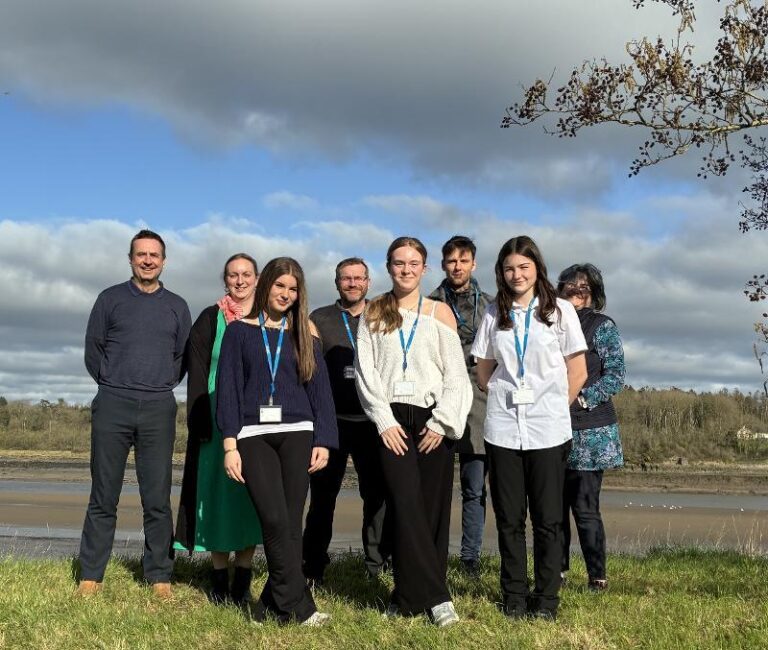
Torridge District Council recently welcomed six students from Bideford College to take part in a week‑long work experience programme. The placements are designed to help students gain a clearer understanding of the council’s roles and operations, while building their confidence and developing valuable skills through real-life workplace experience.
During the week, students spent time across a wide range of departments including Environmental Protection & Community Safety, Planning, Economic Development, Revenues & Benefits, Food & Safety, Northam Burrows, Customer Services and Legal, giving them the opportunity to experience many different aspects of local government in action. The council also tailored placements to match students’ personal interests and career aspirations, ensuring they could spend part of their time in the areas that most inspired them.
The students had a fantastic week working alongside officers across the council, gaining insight into day‑to‑day operations and the responsibilities of each team. Reflecting on the experience, one of the students said: “My Week at Torridge District Council was really fun. Everyone was really friendly and I loved working with Environmental Protection and Economic Development because I found it really interesting and learnt a lot.” Another student added: “It gave me a good idea on what a real life working week would feel like and helped me realise what I would like about working in a place like the Council.”.
Sarah Ayres, Head of People and Customer Focus at Torridge District Council, said: “We were delighted to welcome students from Bideford College and support them as they take their first steps toward exploring future career options. We know that thinking about the future can feel daunting, which is why we encourage students to spend time with several different teams, helping them discover what interests them most and gain a clearer understanding of the opportunities within local government. Our ongoing relationship with the college is important to us, and through these placements we hope to inspire local young people and highlight the council as an employer of choice. We look forward to welcoming more students in the near future.”
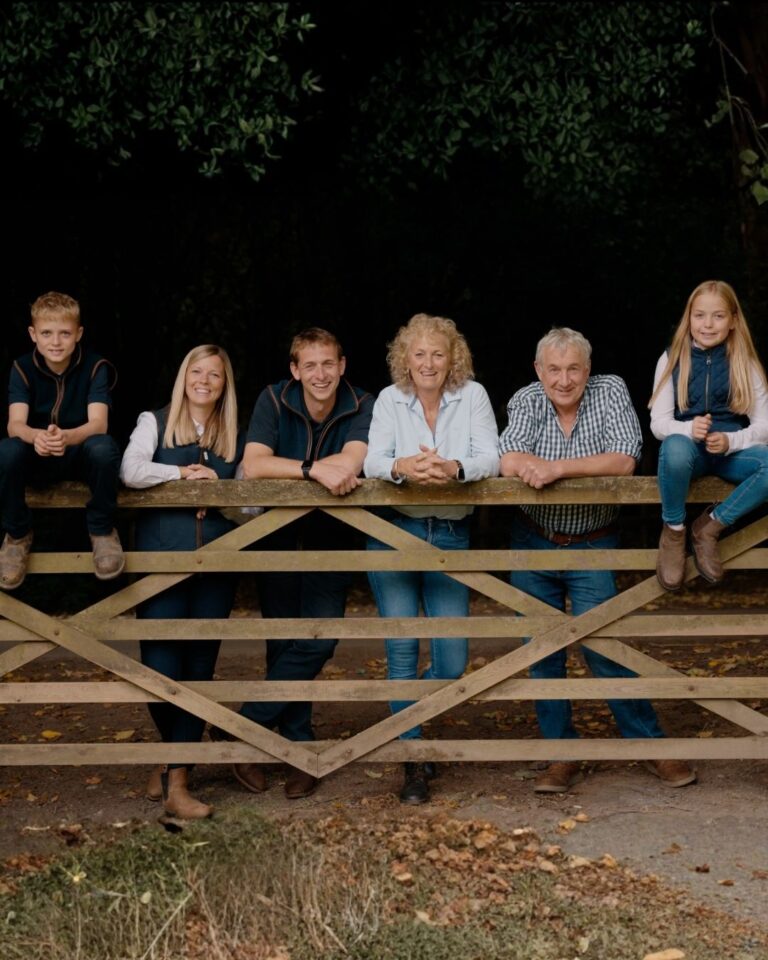
A Devon farm shop brand that began on a working family farm more than three decades ago is continuing its expansion — with plans to open another location as it celebrates national recognition.
Strawberry Fields has announced it will open its fifth shop at Aller Cross, just outside South Molton, with the site set to undergo a full refurbishment ahead of a planned launch in summer 2026.
The new location will follow the same smaller satellite-shop model as the company’s sites in Buckfastleigh and Exeter, as well as a forthcoming shop on Dartmoor.
Customers will be able to visit a coffee shop and food-to-go counter while also browsing a range of Strawberry Fields’ homemade produce.
The shelves will feature items including pies, pasties, freshly baked bread, cakes, jams and chutneys, alongside fresh fruit and vegetables, free-range eggs and a selection of butchery products.
The expansion follows continued growth for the business since its flagship farm shop and restaurant at Lifton was crowned National Best Large Farm Shop of the Year in 2023.
Its satellite locations in Buckfastleigh and Exeter have since proved popular, helping bring the Strawberry Fields brand to more customers across Devon.
The Aller Cross shop will also include a coffee shop serving food to go and a daily selection of baked goods prepared by the company’s bakery team.
Products expected to be available include freshly baked bread, saffron buns, scones, teacakes, rock cakes and lemon drizzle cake, made using recipes passed down through generations.
The business, run by the Mounce family, said the brand has been built over more than 30 years and remains rooted in its farming heritage.
Alongside the new shop announcement, Strawberry Fields has also been shortlisted in the top three for Best UK Large Farm Shop of the Year 2026.
Further details about the refurbishment and the opening date for the Aller Cross site are expected to be announced closer to summer 2026.