



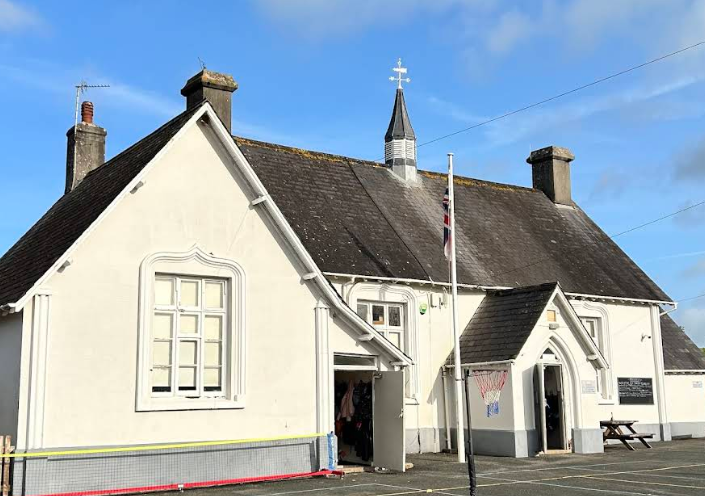
“A significant proportion of pupils do not secure basic spelling, grammar and handwriting at an age-appropriate level,” inspectors have warned after visiting Berry Pomeroy Parochial CofE Primary School, despite published results showing pupils achieving above national averages.
The Church of England primary school in Berry Pomeroy, near Totnes, has 85 pupils on roll – well below the national average of 272 – and is part of the Academies for Character and Excellence trust. Following an inspection on Tuesday, December 2, 2025, Ofsted judged safeguarding to be effective and found strengths in pupils’ personal development and wellbeing, but concluded that achievement, curriculum and teaching, and leadership and governance all “need attention” .
Inspectors found that “Pupils at this school feel safe and well cared for. Each morning, staff warmly welcome pupils. This helps to foster a secure sense of belonging. Close relationships between the school and parents and carers enable staff to get to know pupils well. As a result, pupils say they feel safe and know they can approach any adult if they have concerns. This positive culture is reflected in the school’s high rates of attendance.”
Personal development and wellbeing were judged to be a “strong standard”. The report states: “The pastoral support and personal development of pupils is a high priority at this school. Pupils are well cared for because leaders and staff know pupils well. Pupils are proud to be part of the school community. The school values help pupils learn how their own actions impact on others. There is a desire for pupils to be ‘change makers.’”
Inspectors highlighted the role of pupil leadership groups, noting that “‘sustainability champions’ lead projects that benefit the school and the village. Pupils confidently contribute to the running of the community café, serving soup they have made themselves from their own recipes.” They added that pupils are reflective and respectful, with diversity celebrated and a clear understanding of British values.
Attendance and behaviour were found to meet the expected standard. “The school is calm, orderly and pupils generally behave well. There are clear routines that pupils know and adhere to. These help pupils to feel secure and enable them to transition smoothly between activities during the school day. Disruption in lessons is rare and this calm behaviour is underpinned by positive relationships between staff and pupils”.
Early years provision was also judged to meet the expected standard. Inspectors said: “The early years curriculum is thoughtfully designed to ensure children develop knowledge and skills across all aspects of the curriculum. Staff work closely with parents and carers to support children to settle well in school. Children build positive relationships with staff”. They noted that reading is prioritised and that children engage in purposeful outdoor activities, including “guided tasks such as sawing wood” to build strength and confidence.
However, despite strong published outcomes at the end of key stage 2 and in national checks, inspectors raised concerns about the consistency of pupils’ work. “However, this success is not consistently reflected in the quality of work pupils produce in lessons. A significant proportion of pupils do not secure basic spelling, grammar and handwriting at an age-appropriate level. The school does not consistently identify where these gaps in pupils’ knowledge exist. This includes pupils with SEND and disadvantaged pupils. As a result, pupils do not progress through the curriculum as well as they should and do not secure essential skills effectively” .
The curriculum itself was described as “broad and ambitious”, with important knowledge clearly identified, but inspectors said leaders’ oversight “is not fully effective” and that “the quality of teaching across the school is inconsistent”. They pointed to weaknesses in the teaching of phonics and mathematics, particularly in mixed-age classes, and said teachers do not always use assessment effectively to address gaps in learning.
Leadership and governance were also judged to need attention. Inspectors said: “Leaders at both school and trust level do not have an accurate understanding of the school’s strengths and areas for development. This means that weaknesses in teaching are not addressed swiftly and current pupils do not achieve as well as they could”.
The report added that trustees “have an overly positive understanding of the school because leaders have not been precise in identifying necessary priorities for school improvement”, although leaders and governors were recognised as sharing “a strong moral purpose” and ensuring that disadvantaged pupils and those with special educational needs and/or disabilities have the same chance of success as their peers.
Inspectors set out clear next steps, including ensuring that leaders receive effective support and challenge, that assessment is used more effectively to check what pupils know and remember, and that staff develop the expertise required for consistently effective teaching.
The school was approached for comment.