



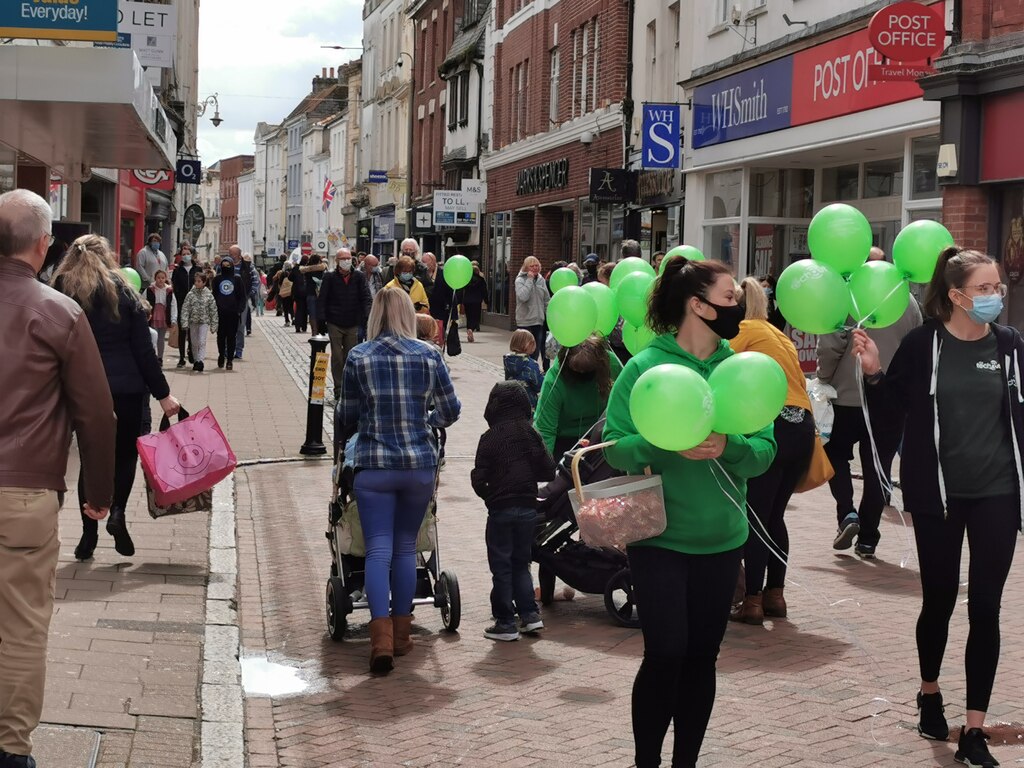
A wide-ranging plan to reshape the future of a town centre is gathering pace, with early signs of falling crime, new investment opportunities and a renewed focus on culture and community life.
A report presented to councillors outlines progress made by the Barnstaple Place Partnership Board, a multi-agency group set up to coordinate regeneration, economic growth and community wellbeing across the town.
The board, which has been meeting since July 2024, brings together representatives from local councils, businesses, the voluntary sector and public bodies to oversee improvements and deliver a long-term vision for the area.
The report states that the partnership aims to ensure the town is “a thriving place for all to live, work, visit and play”, using a coordinated approach to tackle challenges facing the high street and wider community.
Progress is being tracked through a Place Making Action Plan, which focuses on five key priorities: improving the look and feel of the town centre, enhancing how it functions, strengthening its overall offer, creating opportunities for change and improving place management.
Among the developments highlighted is work to improve safety, with a reduction in recorded crime and shoplifting noted, although concerns remain about under-reporting. Measures include the continuation of a street marshal scheme until the end of 2026, additional funding to tackle anti-social behaviour and efforts to expand CCTV coverage.
Environmental improvements are also under way. A street scene group now meets every six weeks, bringing together council teams, police and other partners to coordinate responses to issues such as graffiti and flyposting. Funding has been secured to support clean-up work and environmental enhancements, including new planting and greening initiatives.
The report also points to progress in boosting the town’s appearance and cultural offer. Public art installations are expected in summer 2026, while a cultural development programme has been extended. A town events team has been established to promote activities, supported by seasonal brochures and a relaunch of the town’s promotional campaigns.
Efforts to support businesses are continuing, with free webinars offered to retailers and grants previously awarded to 29 businesses to improve shopfronts and premises. Work is also under way to develop a commercial prospectus aimed at attracting new investment into the town centre.
Vacant properties remain a key focus. A dedicated group has been set up to address the issue, with audits completed and enforcement action taken in some cases. A scheme offering free pre-application planning advice for commercial and mixed-use developments has already been taken up by ten businesses.
Transport and infrastructure projects are also being monitored, including junction improvements, bus priority schemes and enhancements to the railway station forecourt. Concerns have been raised about the potential impact of these works, with assurances given that updates will continue to be provided.
The partnership is also working to improve coordination between organisations, with regular reporting structures now in place and performance data being collected to track footfall, retail activity and visitor behaviour.
An annual public forum is due to be held in July to showcase progress and gather feedback from residents and stakeholders.
The report concludes that significant resources are being invested by partner organisations, with ongoing collaboration seen as key to delivering long-term improvements and ensuring the town centre remains viable and attractive in the future.



Perhaps they could have used some of the money that has been wasted building two bridges that nobody uses.
Try making more friendly for disabled people. Walking up from the cattle market with a walking aid or wheelchair towards the market over cobble style stones. Gammon lane may be to far for people that cannot walk far. Parking spaces should be lined in Butchers Row and Boutport Street. Time limited in Butchers row before Ten when some stall have not fully set up and can only park after Four when the market is closed. Excellent idea in Central car park with the entrance in Boutport Street although still not suitable for people that cannot walk far. Again cobbled affect outside Banburys unsuitable for walking aids.