



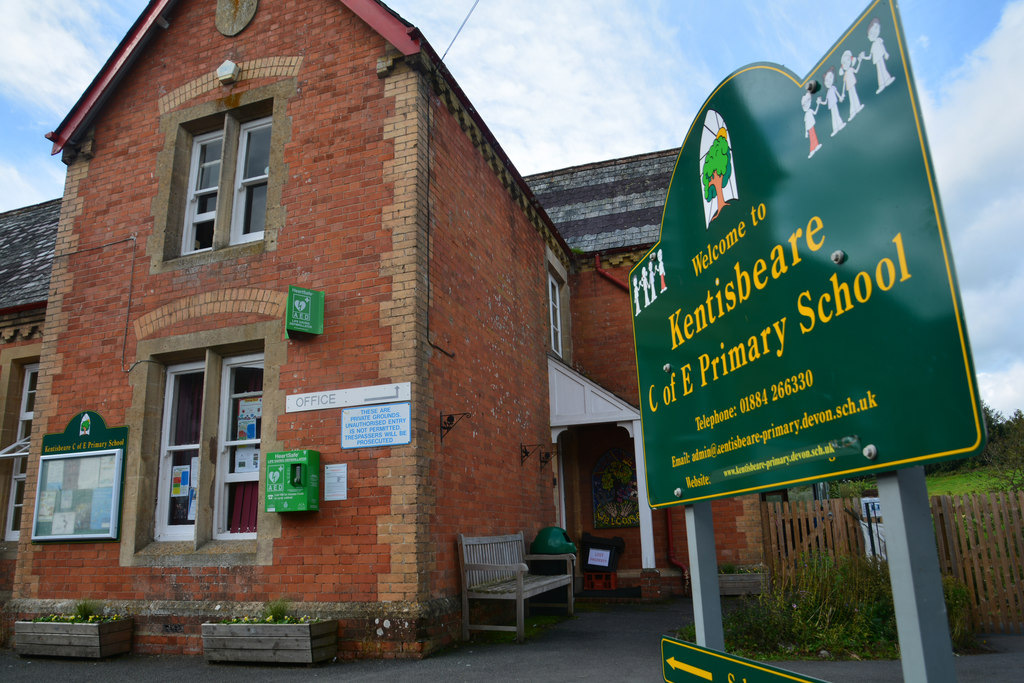
“A ‘happy and inclusive school’ where ‘pupils love attending’ has been found to be meeting expected standards across the board, inspectors have said.”
Kentisbeare Church of England Primary School, in Cullompton, Devon, which has 170 pupils on roll, was inspected on Tuesday, January 27, with Ofsted concluding that the school is delivering an “expected standard” of education in all areas.
Inspectors painted a positive picture of daily life at the village school, stating: “Pupils love attending this happy and inclusive school. Attendance is consistently high over time, reflecting pupils’ positive experiences. Caring relationships are at the heart of the school. From the start of the day, staff welcome pupils warmly and provide support to those who may need it. This helps pupils to feel safe, well looked after and confident that adults will help them if they have any concerns.”
Behaviour and attitudes were also highlighted as strengths. The report notes: “Pupils behave well. Leaders have established a clear behaviour policy that staff know and generally apply consistently. As a result, pupils understand the school routines and follow these successfully, enabling learning to take place in a calm and orderly environment.”
Inspectors added that pupils demonstrate maturity and respect: “Pupils show courtesy and respect towards each other and staff. They conduct themselves positively as they move around the school site. Pupils behave sensibly during social times and play happily together. They take pride in welcoming visitors and sharing what they value about their school.”
In the classroom, leaders were credited with designing “a coherent and appropriately ambitious curriculum” that supports pupils to build knowledge across subjects. Teachers were praised for helping pupils retain learning, with inspectors noting that “teachers ensure that pupils regularly recall their prior learning to remember it securely”, enabling even younger pupils to speak confidently about topics such as the Great Fire of London.
Reading was identified as a particular strength. “Leaders prioritise pupils learning to read quickly. Staff have secure subject knowledge in phonics to teach this well. They make regular checks to identify and support those pupils who are not keeping up. This helps pupils to become fluent readers,” the report states.
Inspectors also identified areas for improvement, particularly in writing. While leaders have taken steps to raise standards, the report highlights that “some younger pupils do not secure accuracy in the basics of writing quickly enough, particularly with handwriting, spelling and punctuation.”
More broadly, the inspection found that teaching does not always meet pupils’ needs as precisely as it should. “On some occasions, learning tasks are not reshaped to build on what pupils know and can do. This means that sometimes pupils are not appropriately challenged while others… are not provided with the precise support they need. As a result, their progress is sometimes slowed,” inspectors said.
The school’s early years provision received positive feedback, with inspectors noting that “positive relationships between staff and children help children to feel well cared for” and that children “settle into school life quickly”. Staff were also praised for identifying needs early and supporting communication and language development effectively.
Support for pupils with special educational needs and/or disabilities was another strength. Inspectors reported that “leaders and staff know pupils well” and that systems are in place to identify needs early and provide appropriate support, helping pupils to “access the curriculum” and make progress.
Beyond the classroom, the school’s emphasis on personal development stood out. “The nurturing culture of the school gives pupils an overwhelming sense of belonging and safety,” the report states, adding that pupils are taught about equality, respect and healthy relationships.
Opportunities beyond lessons were also praised: “Pupils are excited about the opportunities that broaden their experiences, such as clubs, trips and sporting events… Adjustments are made to ensure that all pupils benefit, including those who are disadvantaged.”
Attendance remains a strong feature of the school. Leaders were commended for taking “swift, personalised actions” to support pupils who struggle to attend, resulting in rates that are “consistently high and remain above the national average over time.”
Safeguarding was found to be effective, with inspectors confirming that “leaders… have established an open culture in which safeguarding is everyone’s responsibility and concerns are actively identified, acted upon and managed.”