



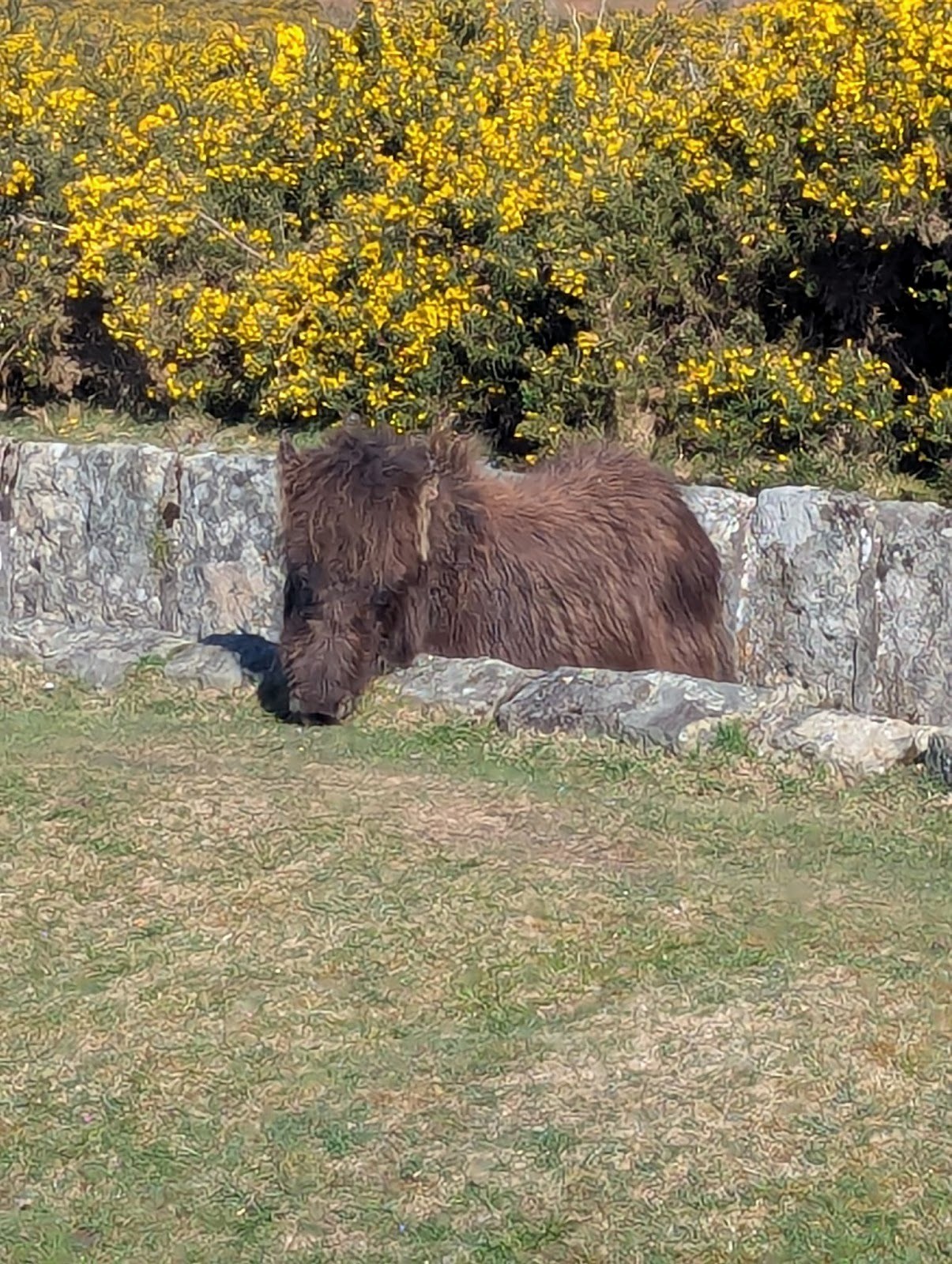
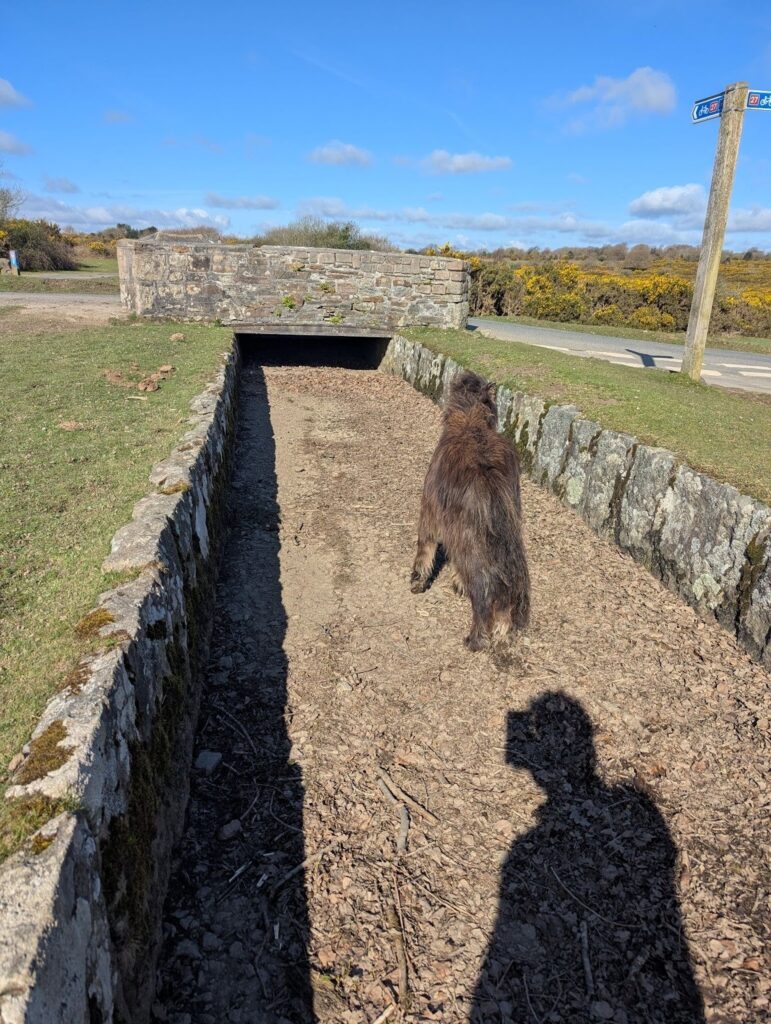
A stranded foal trapped in a narrow aqueduct faced a tense wait for rescue before a careful operation brought her back to safety and into the path of her waiting mother.
The young Dartmoor pony became stuck in a three-foot-deep, waterless leat after slipping and being unable to climb out by herself.
Walkers who spotted the animal alerted the RSPCA, prompting a response from inspector Dale Grant, who attended the scene alongside representatives from the Dartmoor Commoners Council.
The incident was reported on Wednesday, April 1.
A leat is an artificial watercourse, historically used to divert water for mining, and can pose hazards to animals unfamiliar with the terrain.
Because the pony was still a foal, Inspector Grant and one other person were able to carry out the rescue without specialist equipment. The youngster was quickly freed and reunited with her mother, who had been nearby.
(Credit : RSPCA)
Dale Grant said: “Despite the call coming in on 1 April, this was no joke. It appeared the pony had taken an unfortunate slip down into the moat area, and was simply unable to climb out herself.
“It is not uncommon for the RSPCA to be contacted about large animals in need of help or rescue, and ordinarily, we would need the assistance of the local fire and rescue service and their specialist teams and equipment to do this.
“Thankfully she was not injured, just a little nervous, so we were happy to be able to help. It was lovely to watch her trot off to her mum.”
According to Dartmoor National Park, ponies have roamed freely across the landscape for at least four thousand years and remain central to the traditions of local farmers, known as commoners.
Officials have reminded visitors that feeding the semi-wild ponies is both harmful and illegal under byelaws, as unsuitable food can cause digestive problems or choking.
Members of the public are also advised to keep dogs under control when near livestock.
The RSPCA said it regularly responds to incidents involving large animals and urged anyone who finds an animal in distress to contact its emergency line on 0300 1234 999 or visit https://www.rspca.org.uk/adviceandwelfare/wildlife.