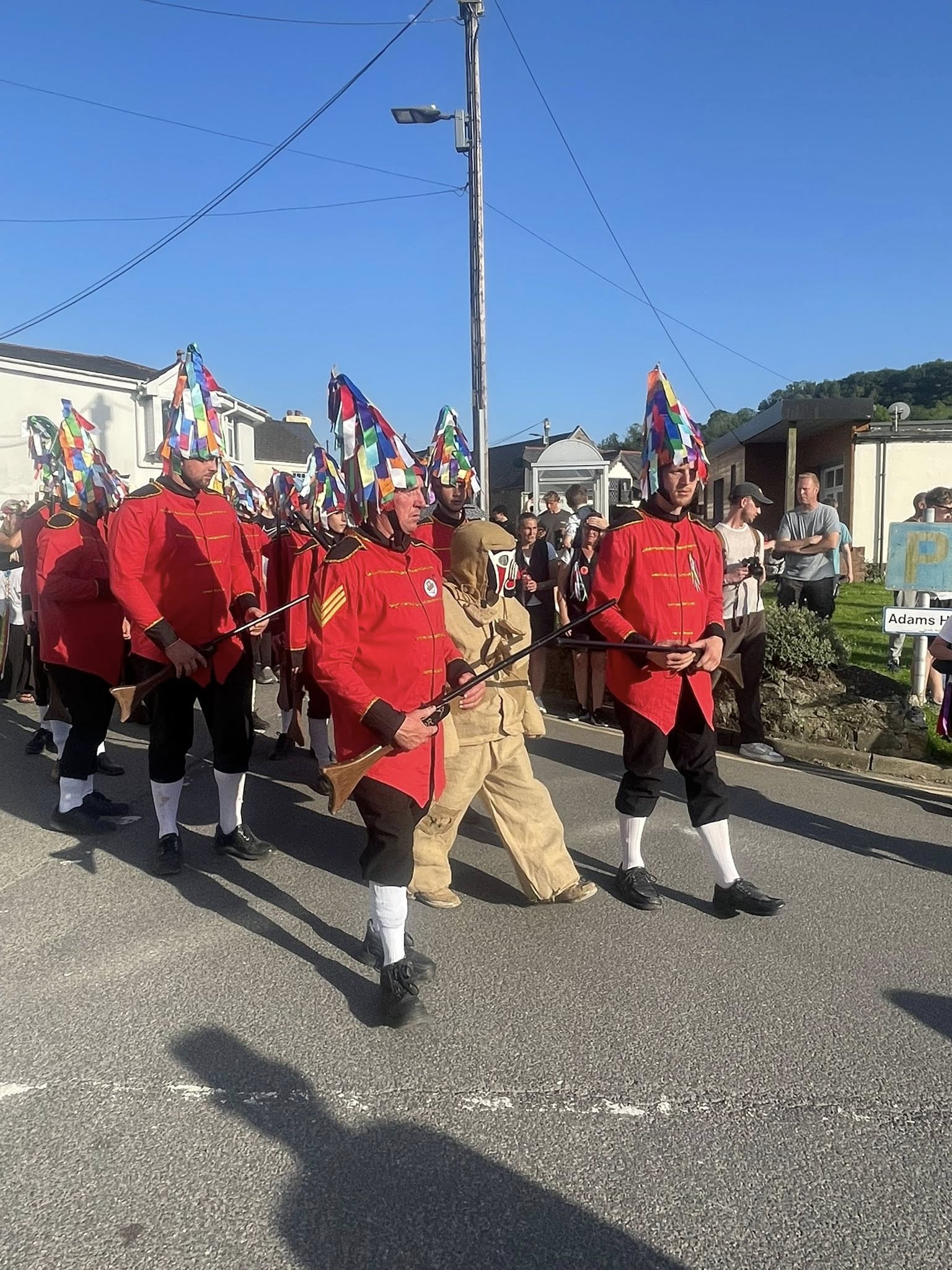
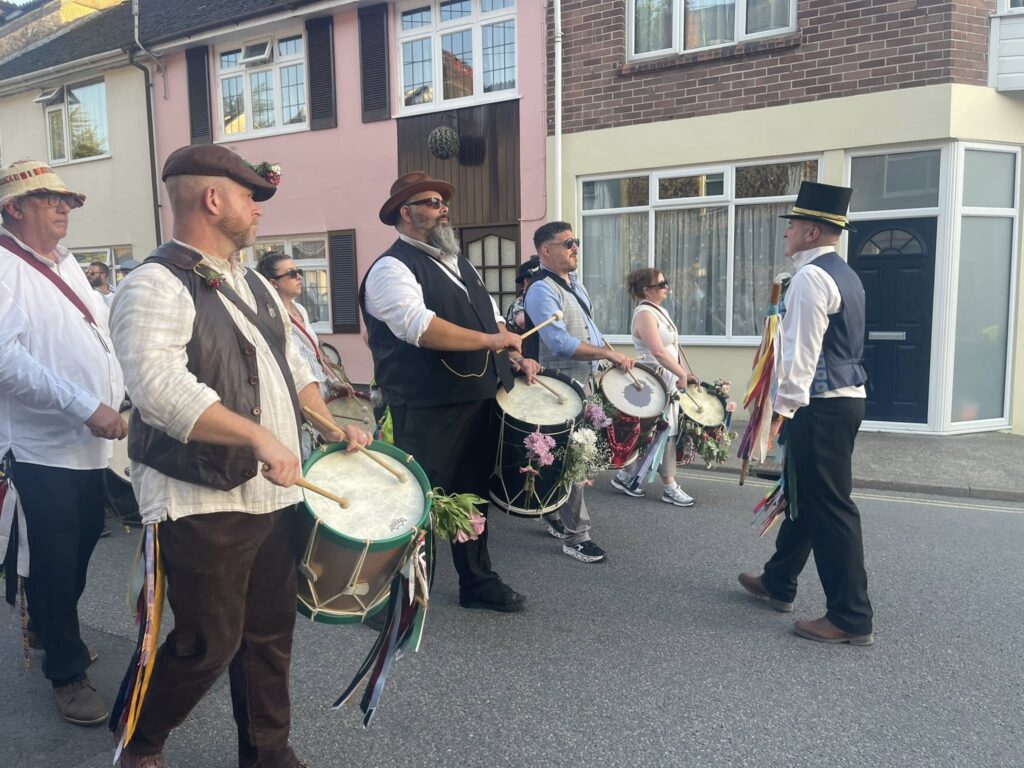
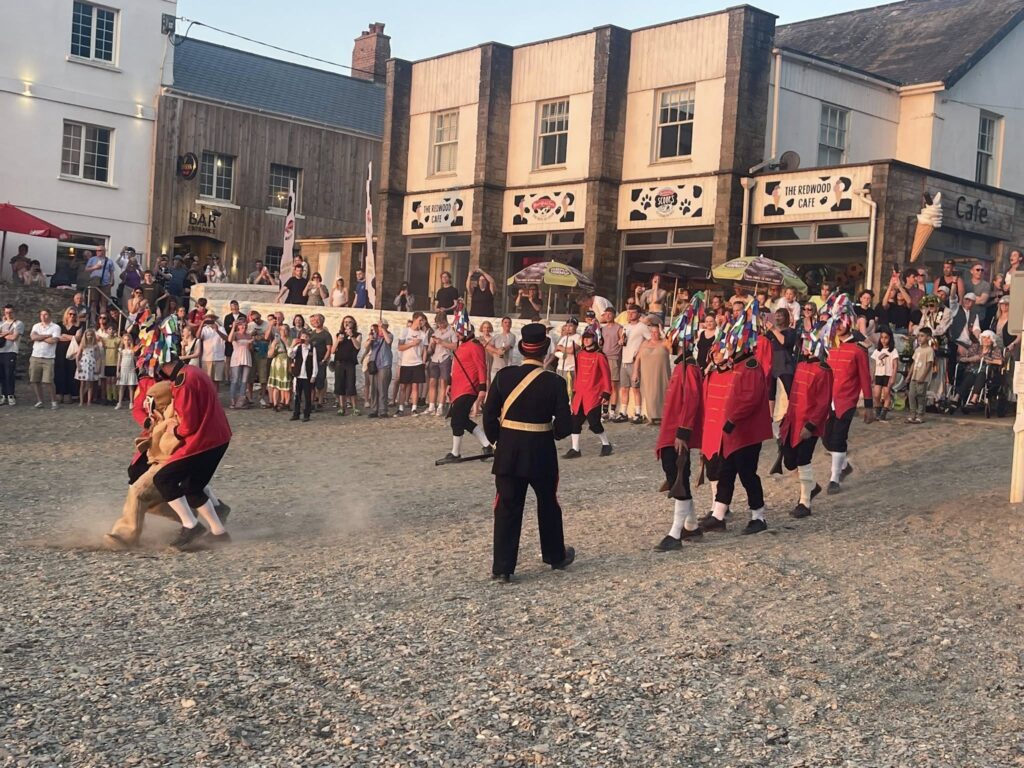
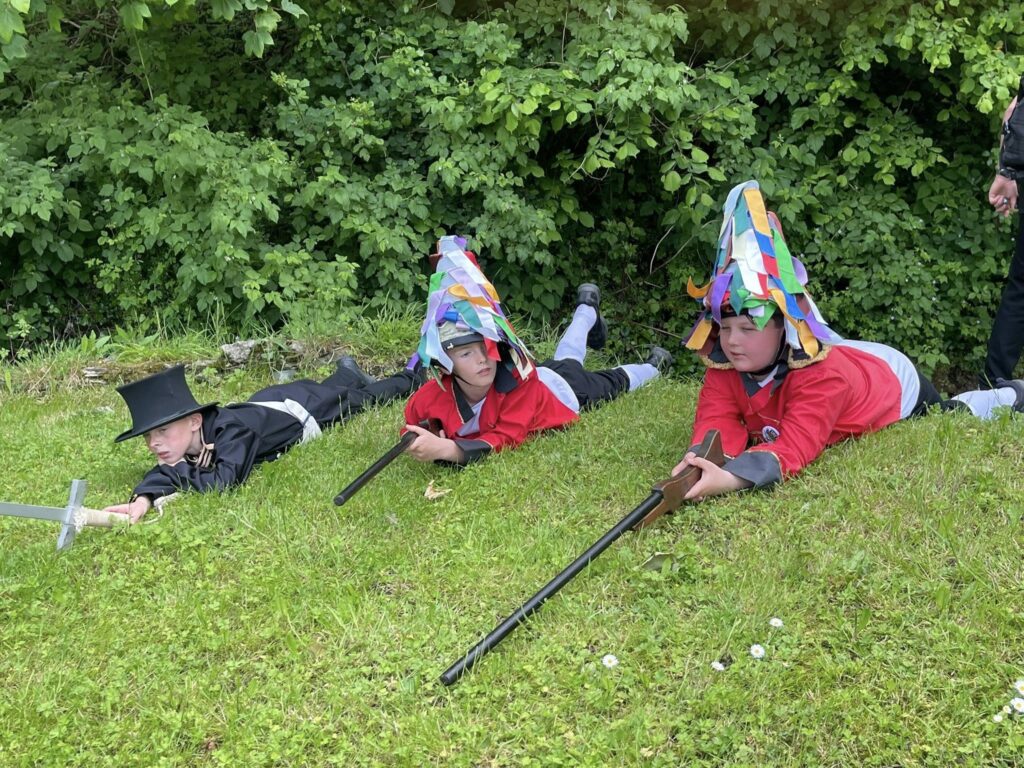
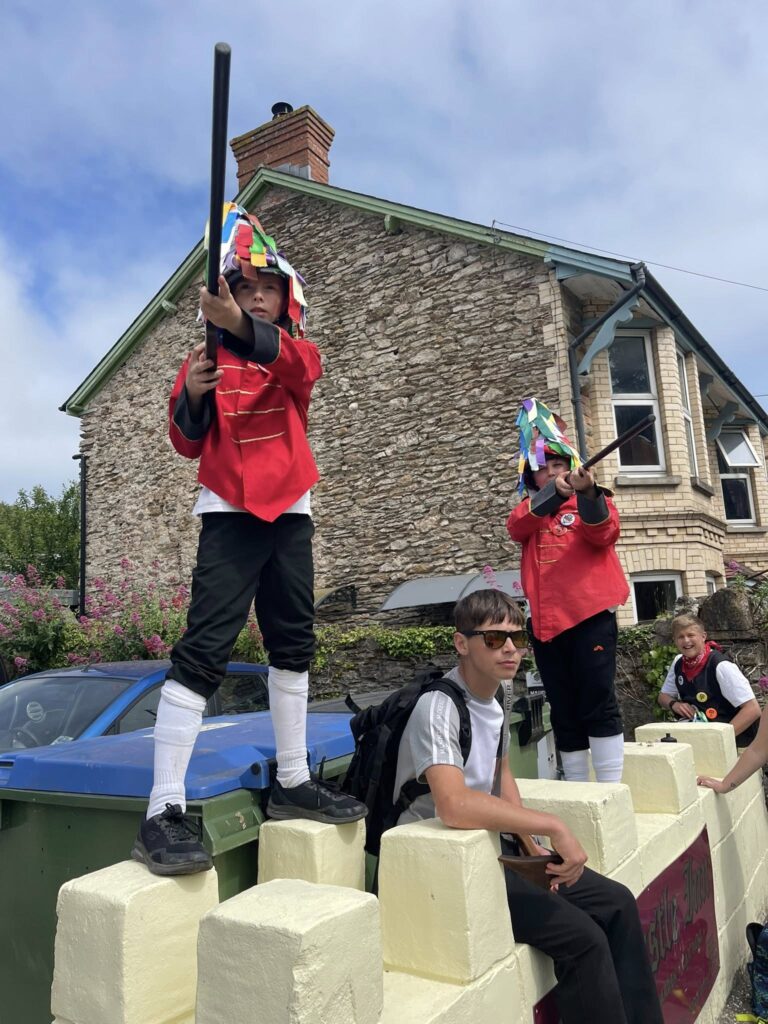
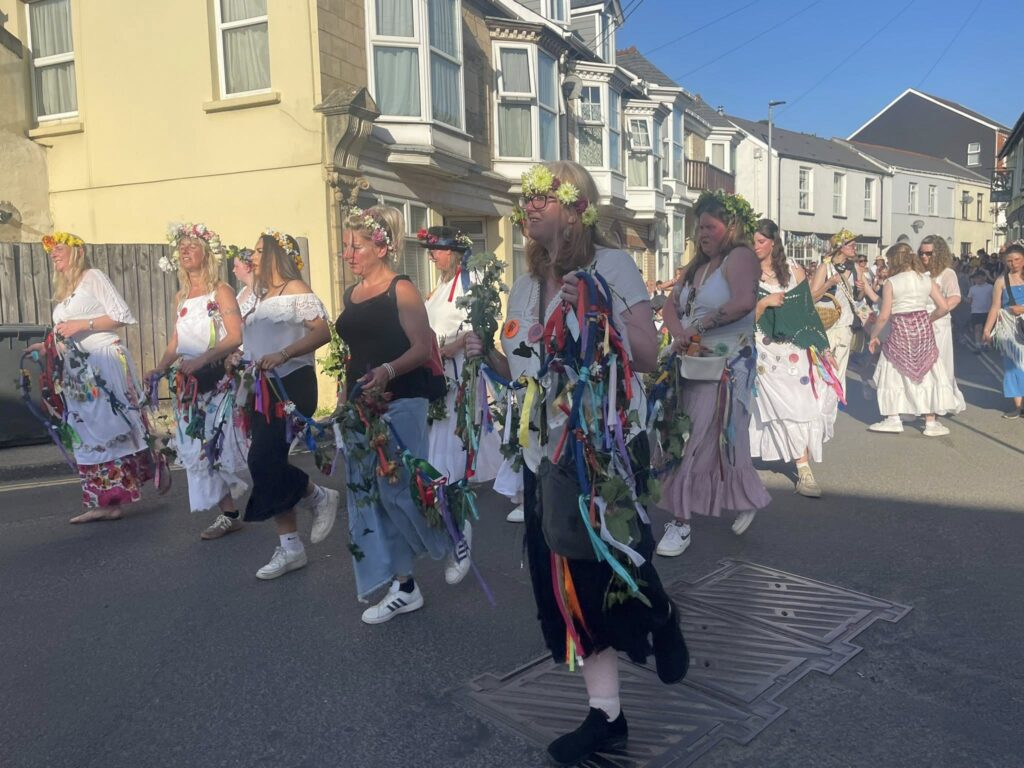
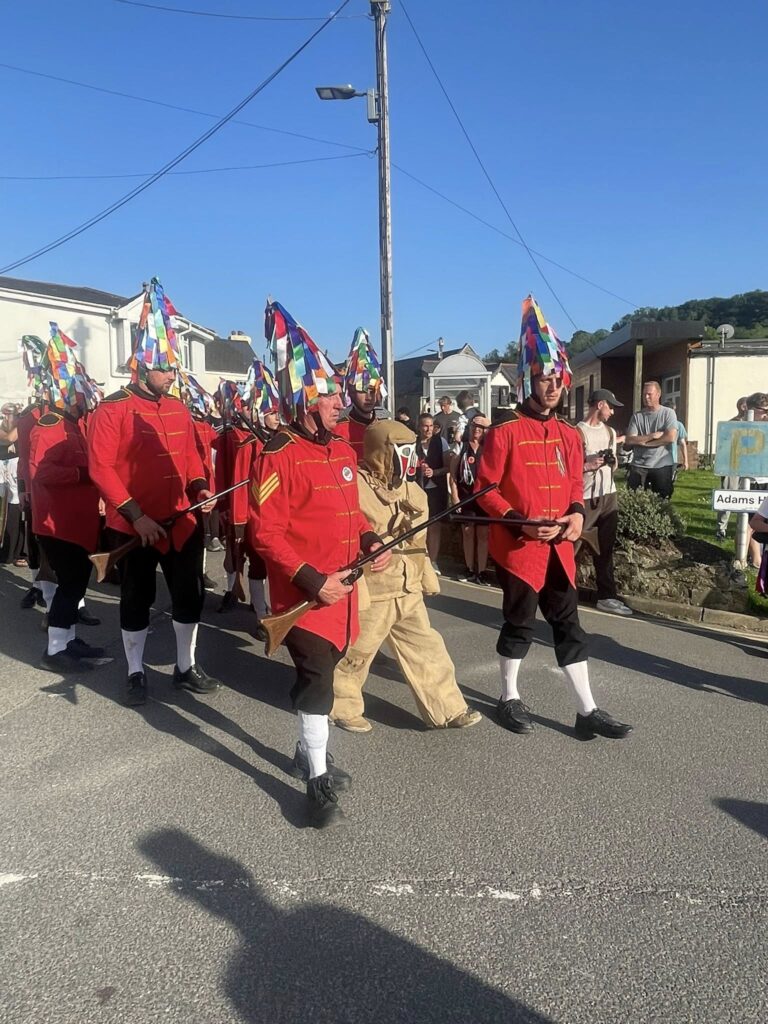
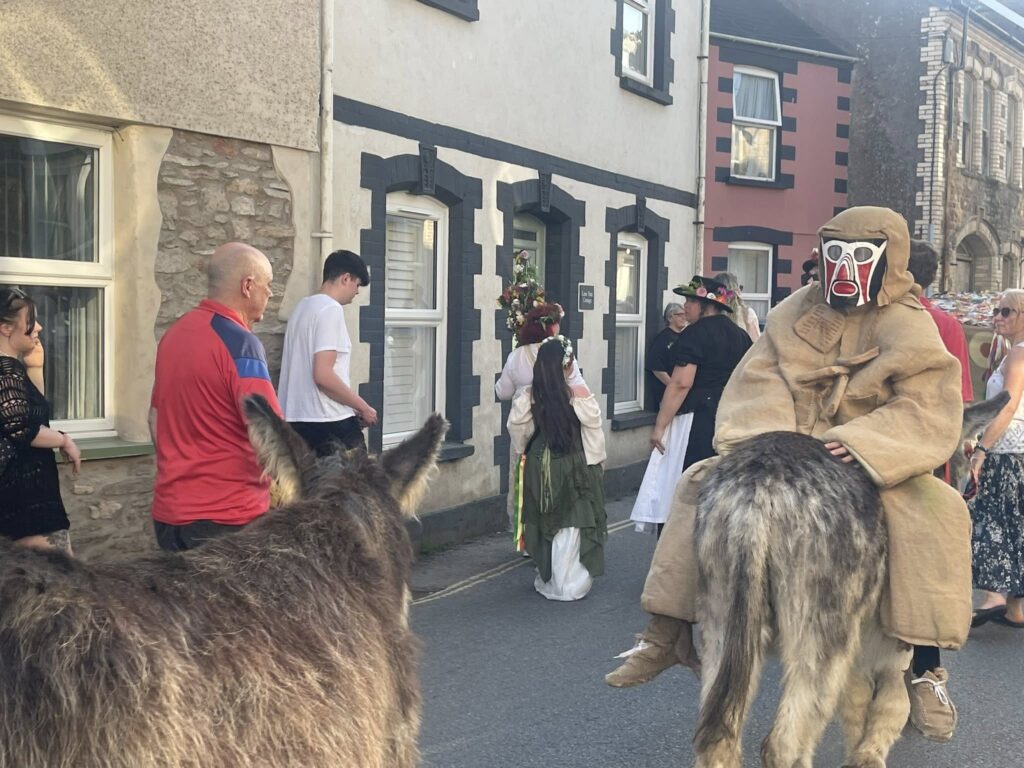
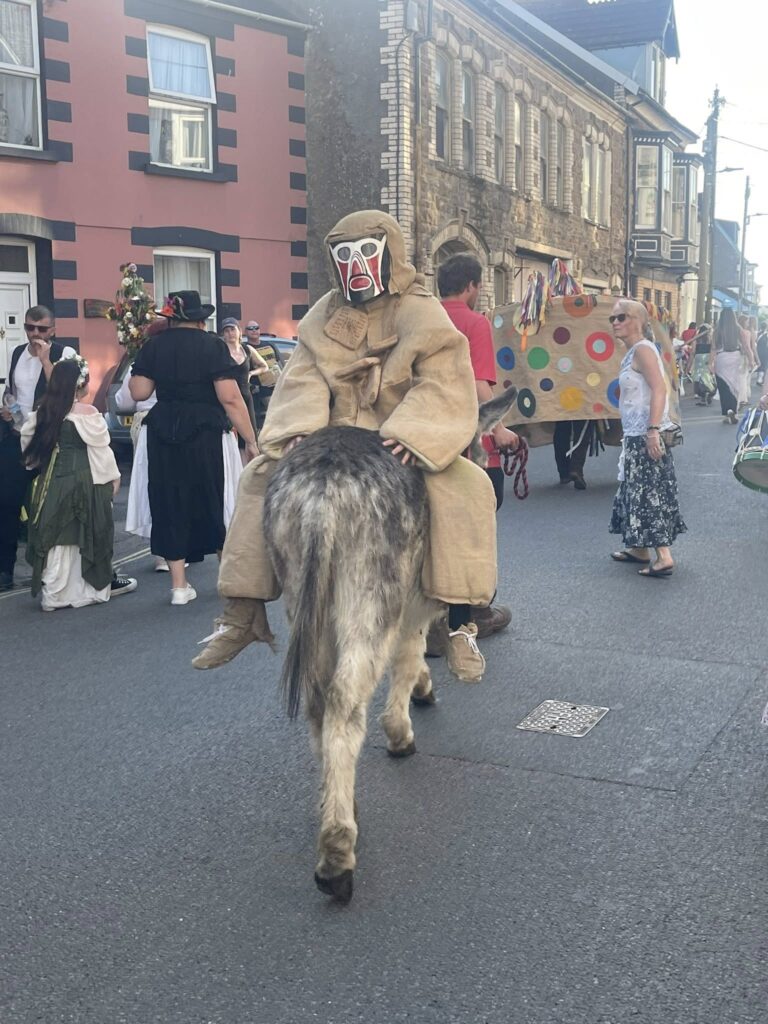
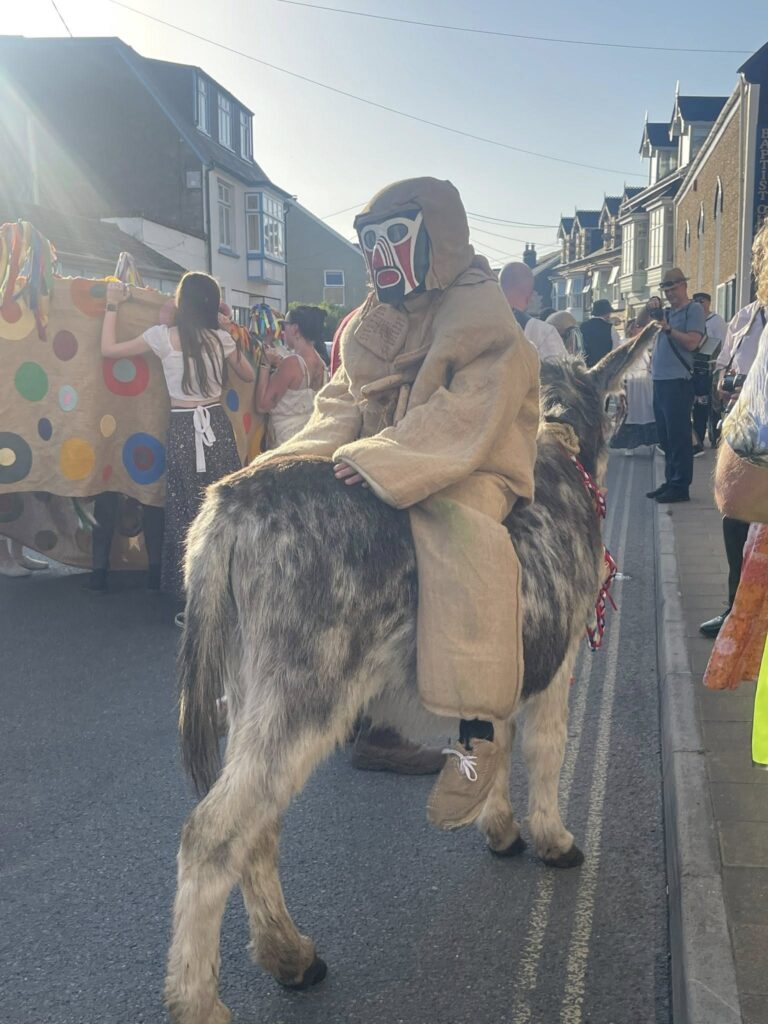
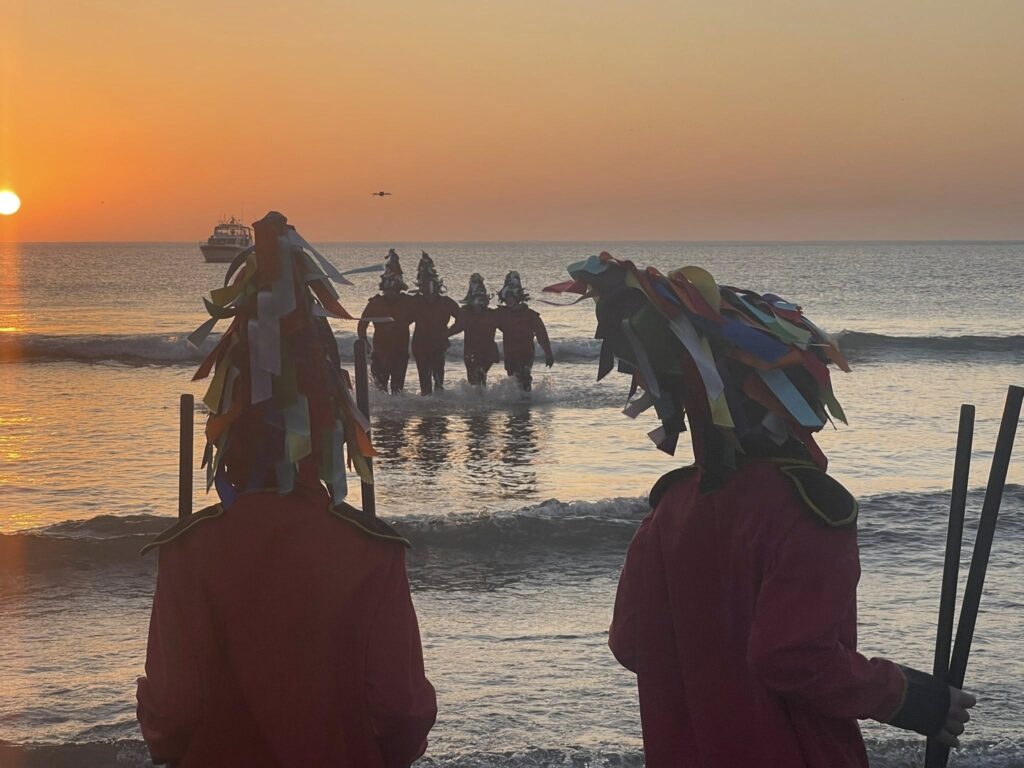
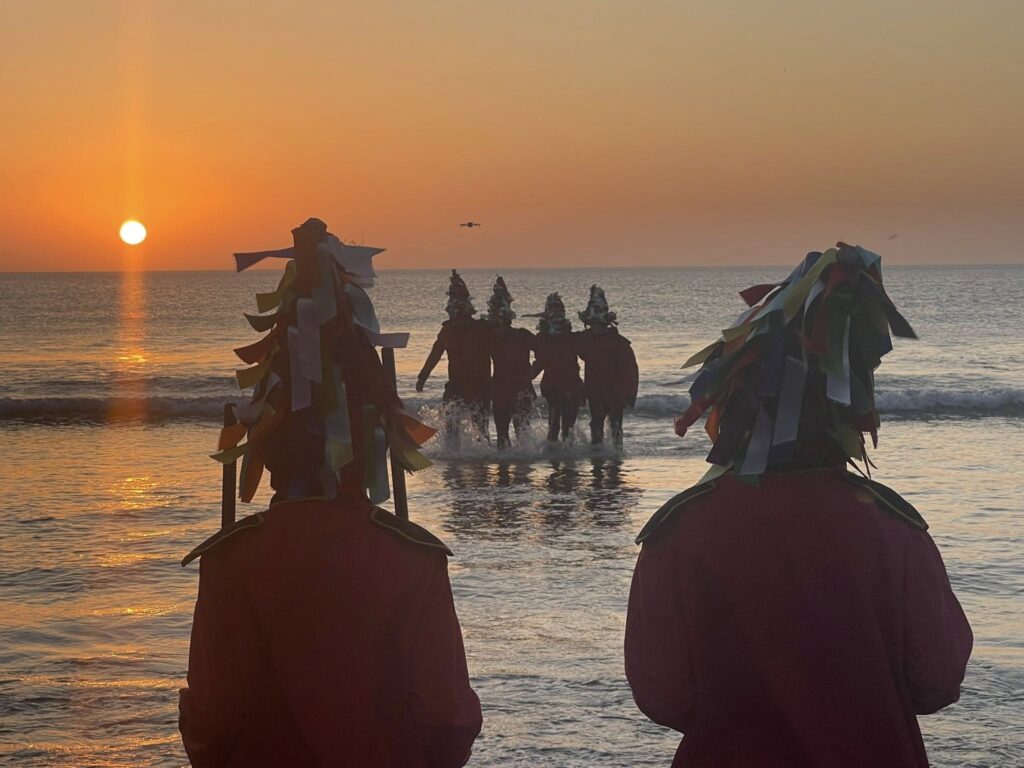
The Grenadiers escort the earl. Credit: Kat Blacklock
The rhythmic pounding of drums and colourful characters taking to the streets can only mean one thing – Combe Martin has been hosting The Hunting of the Earl of Rone over the May bank holiday weekend.
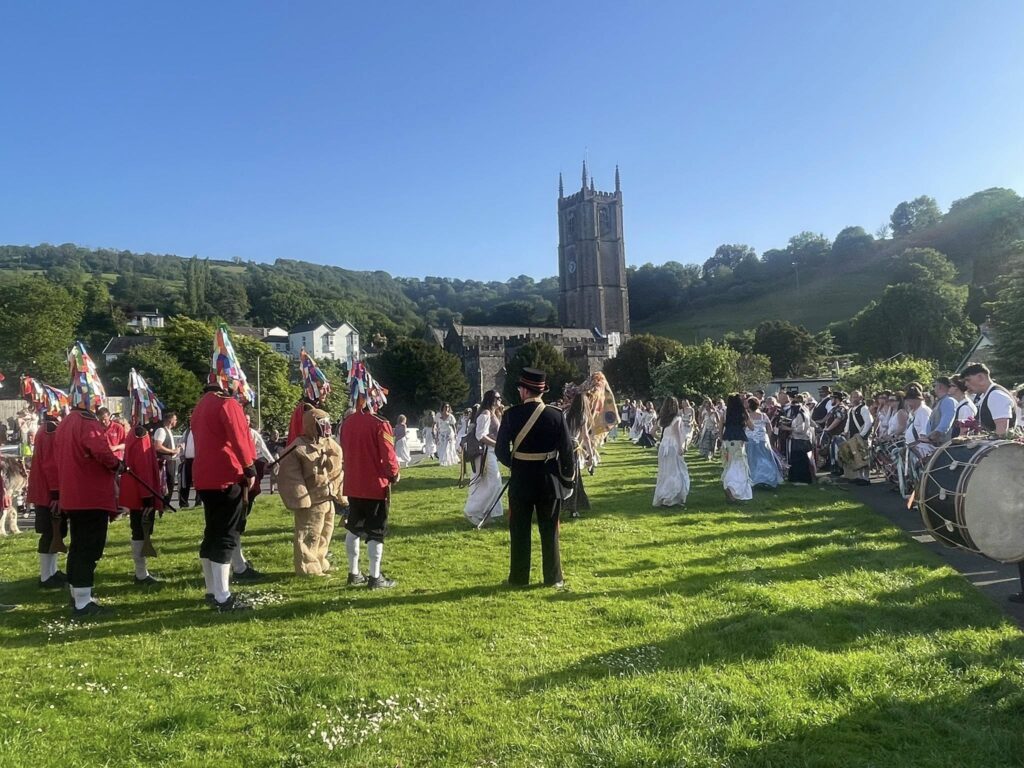
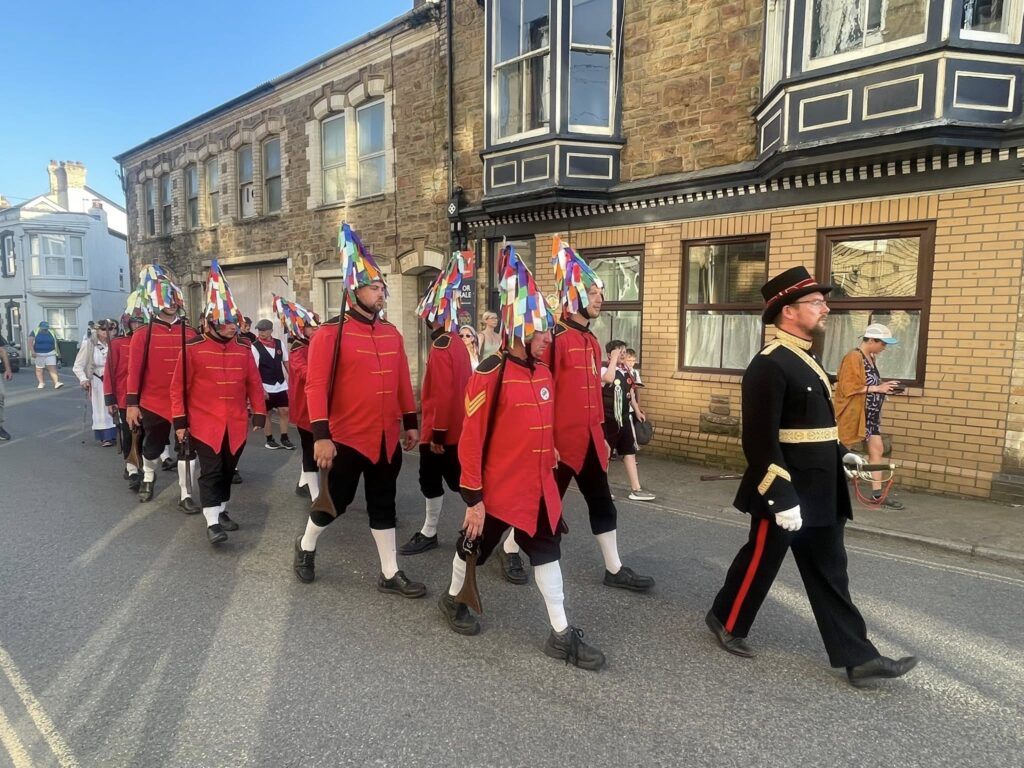
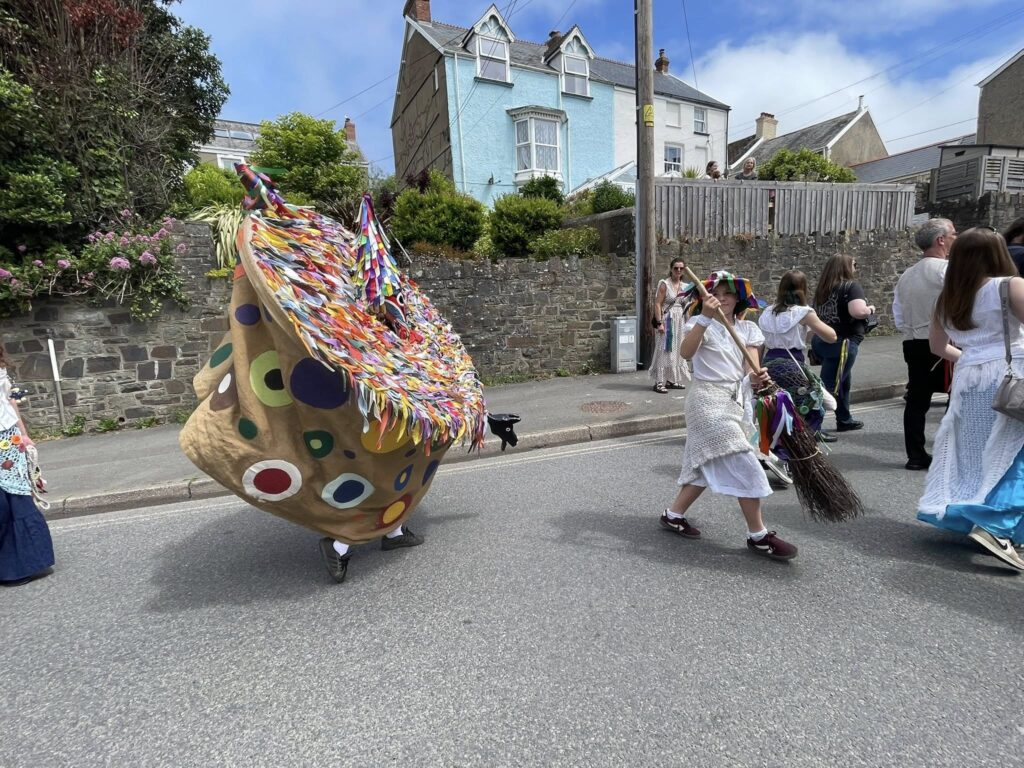
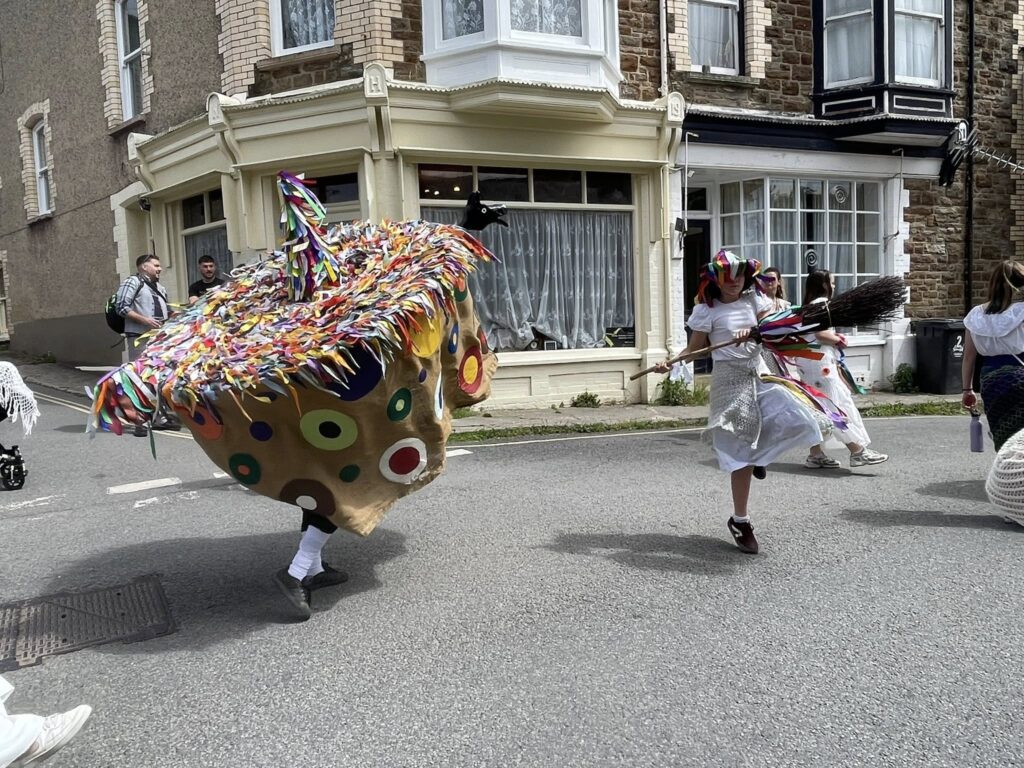
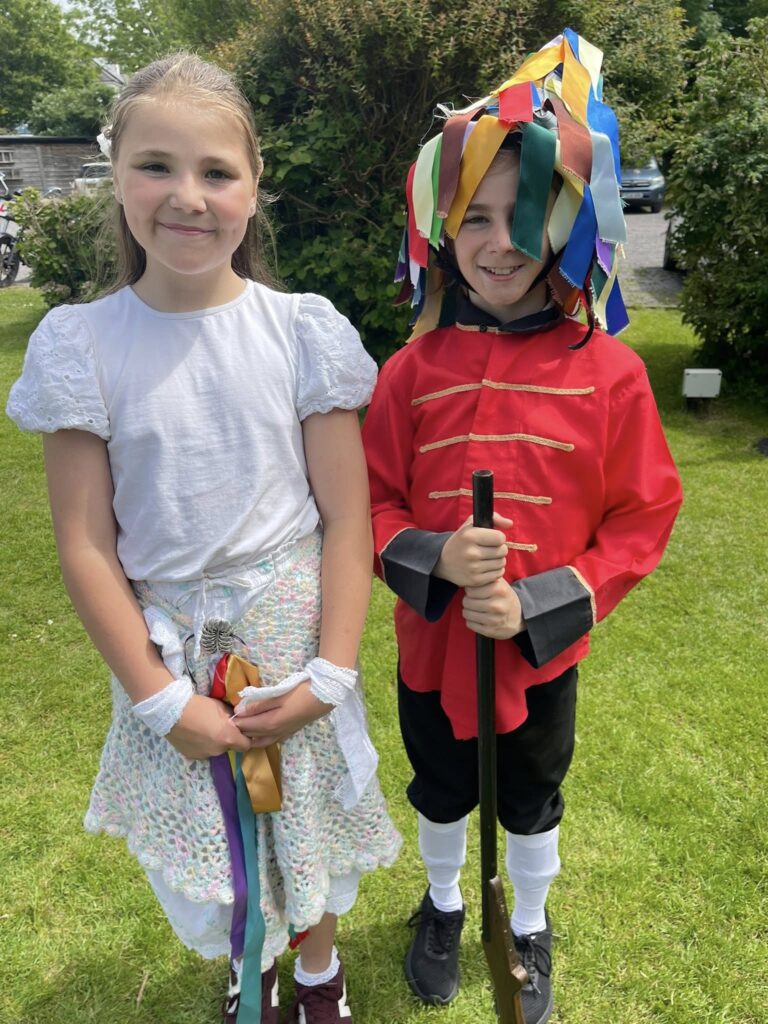
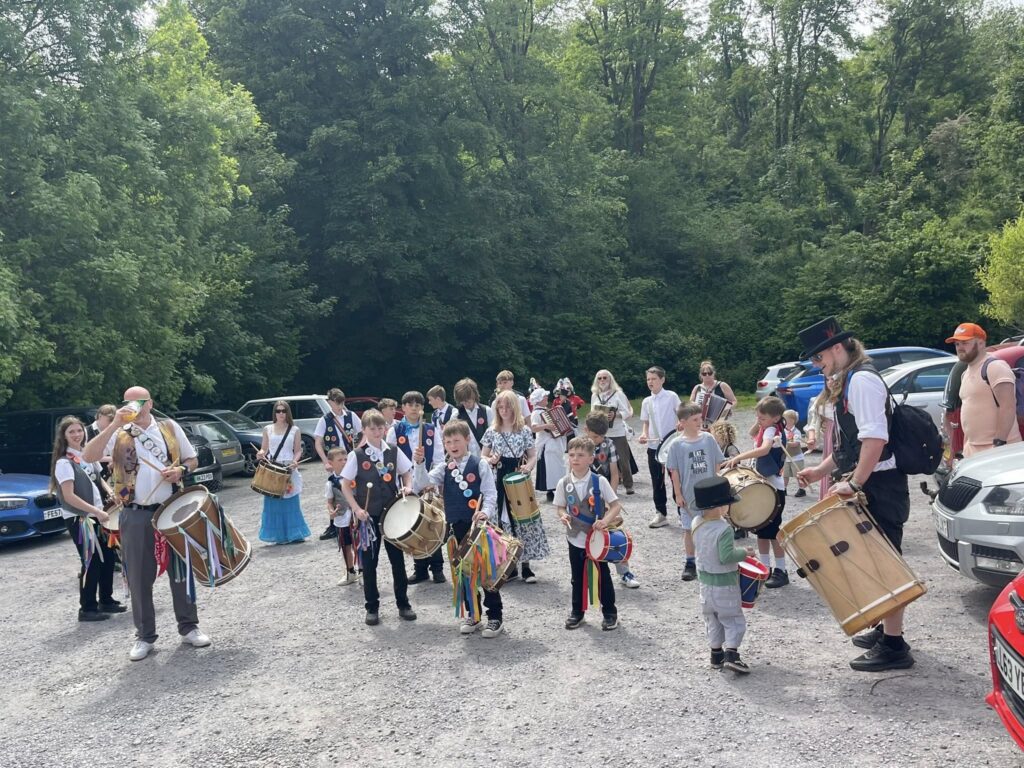
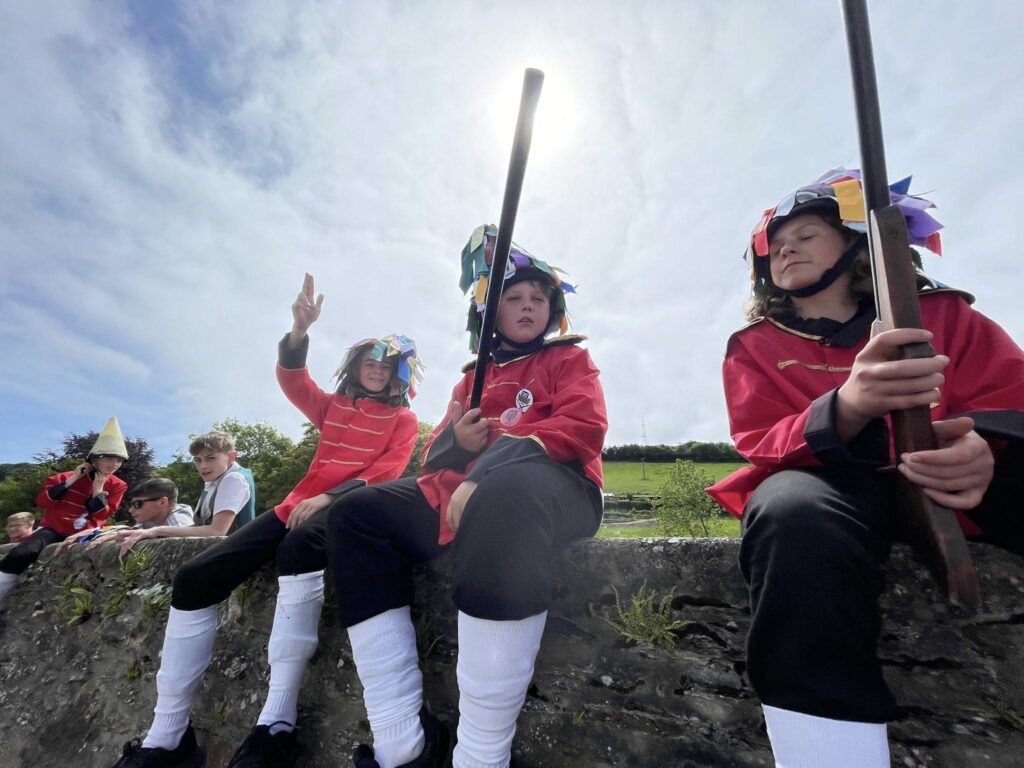
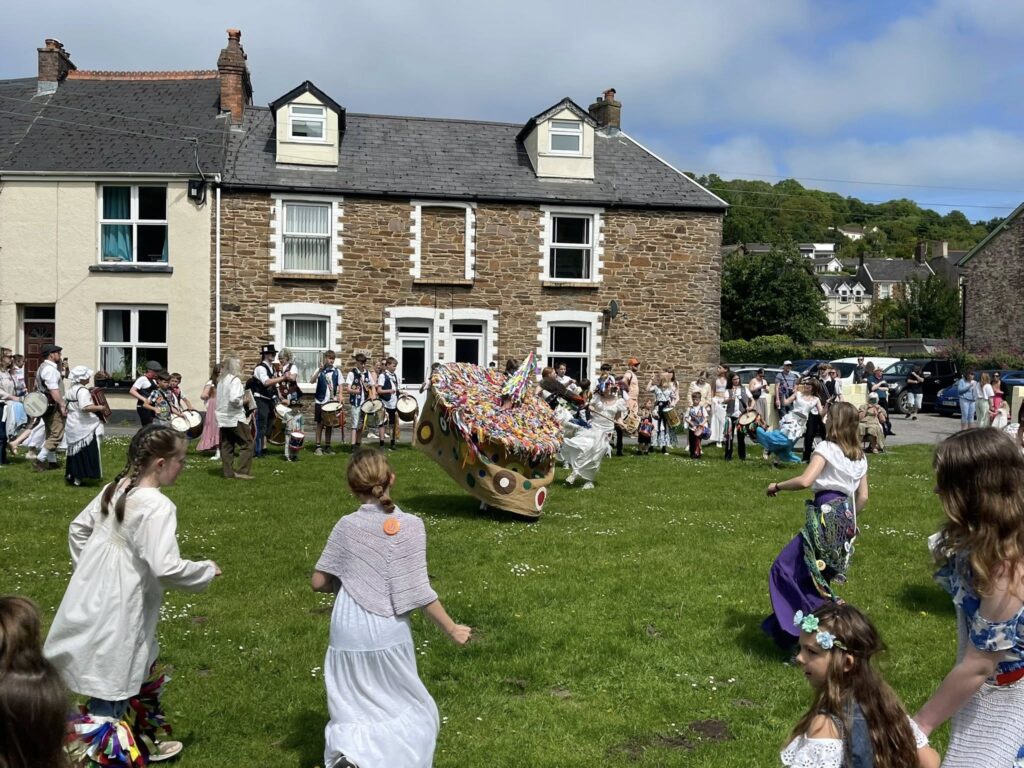
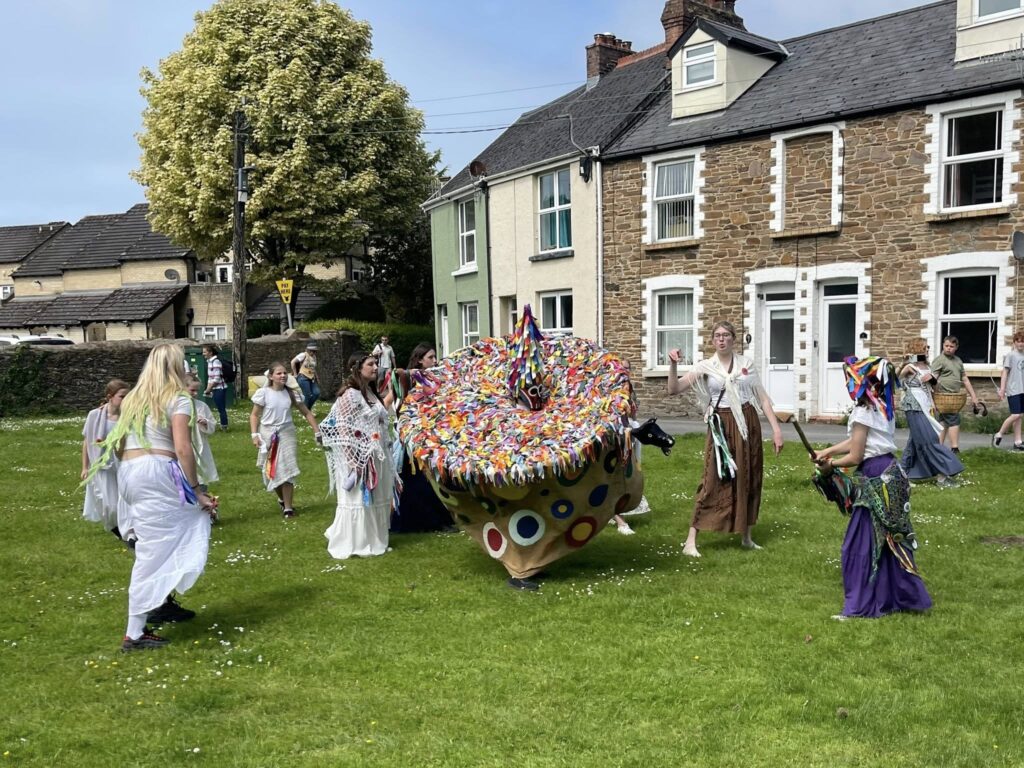
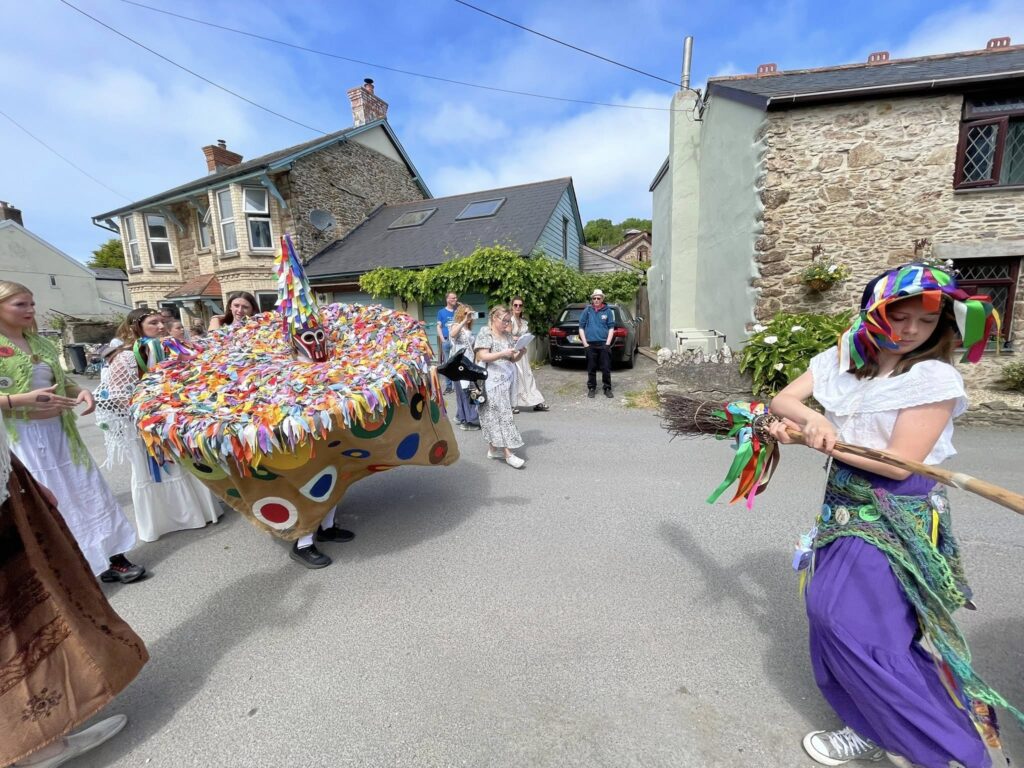
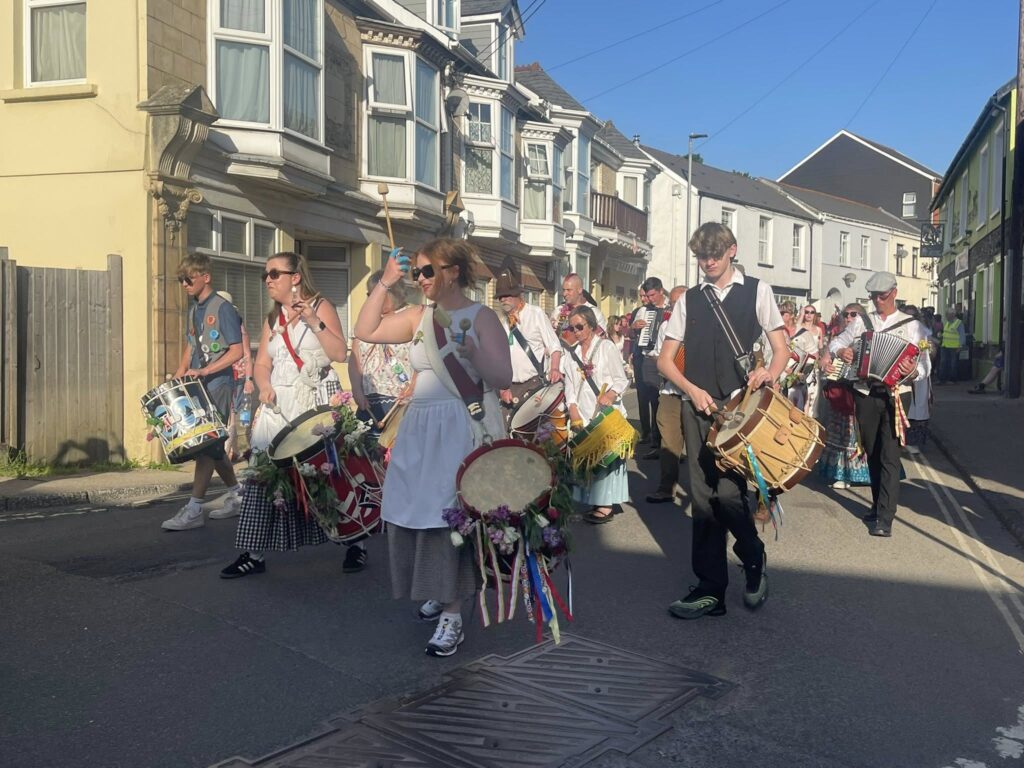
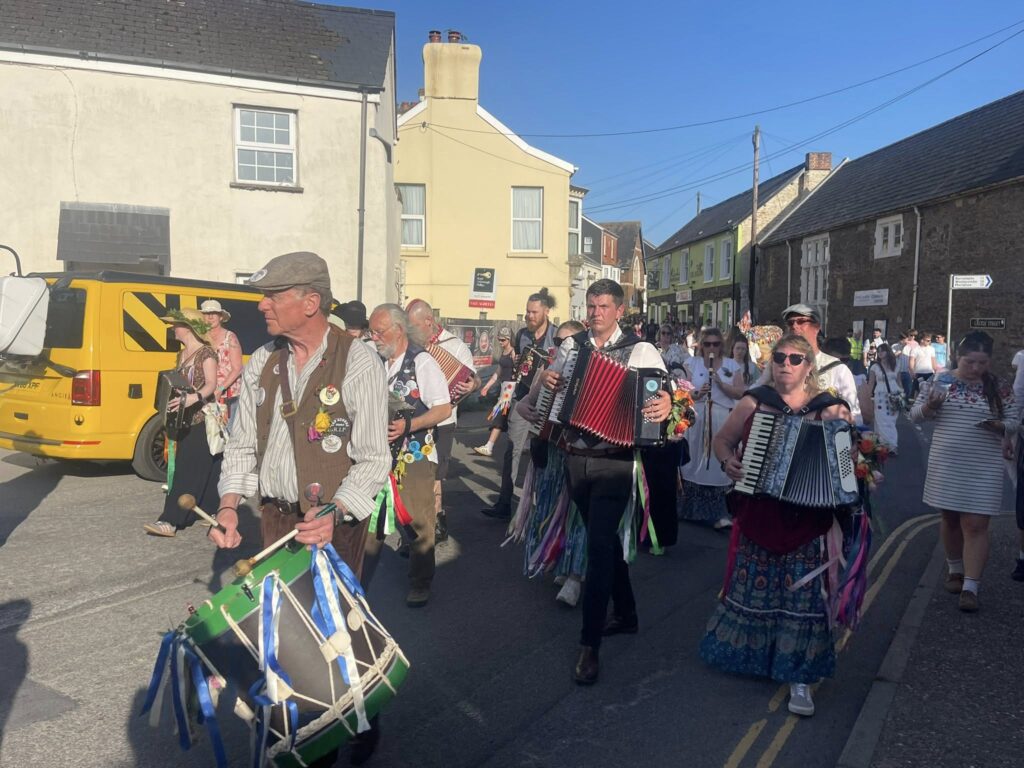
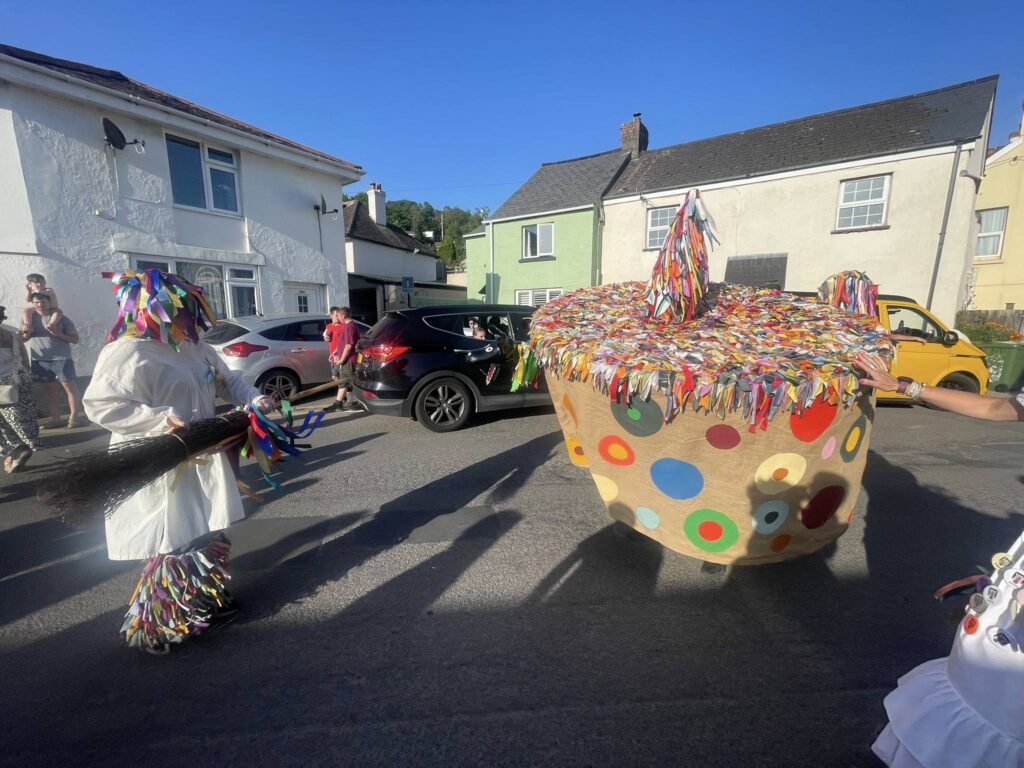
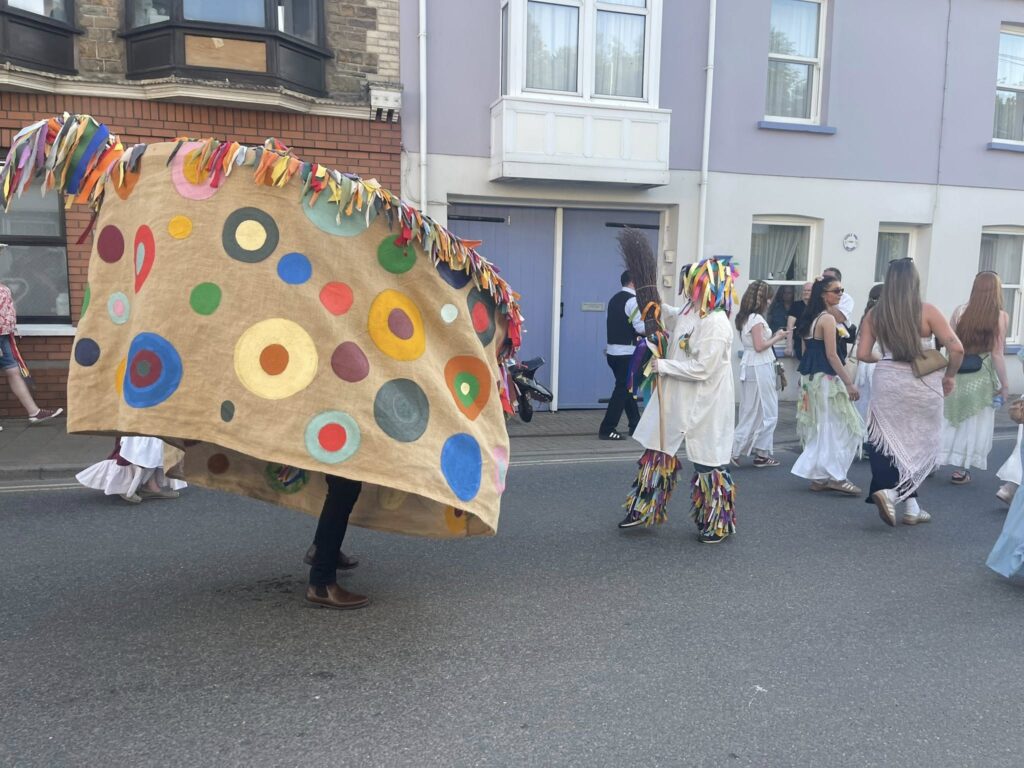
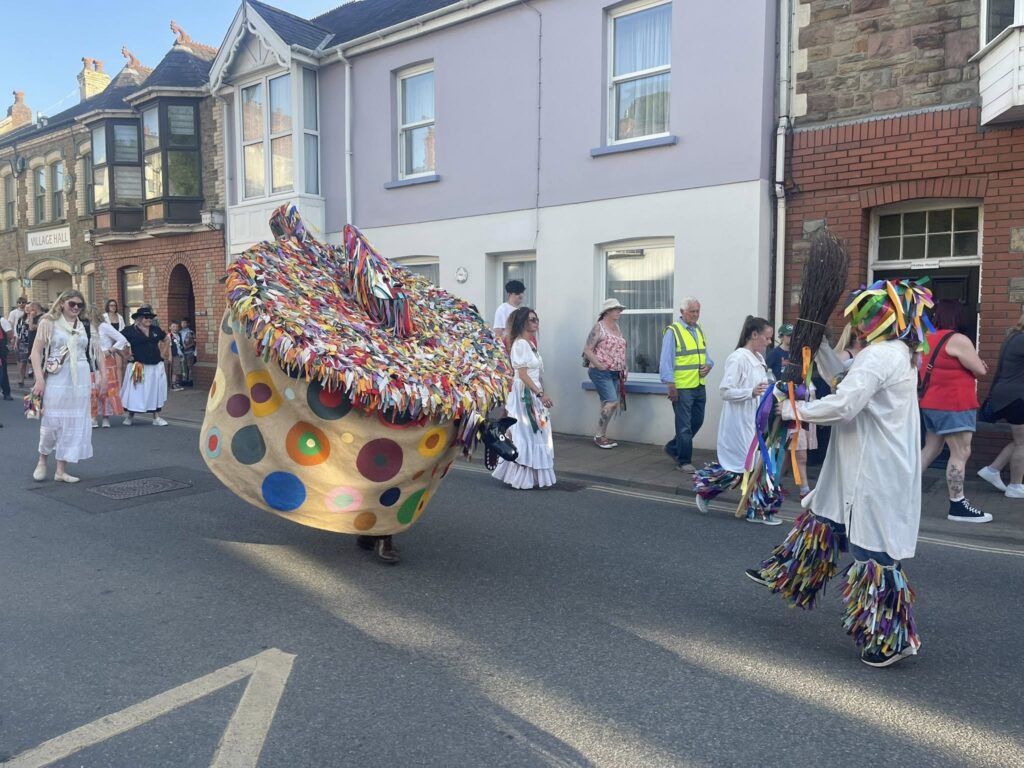
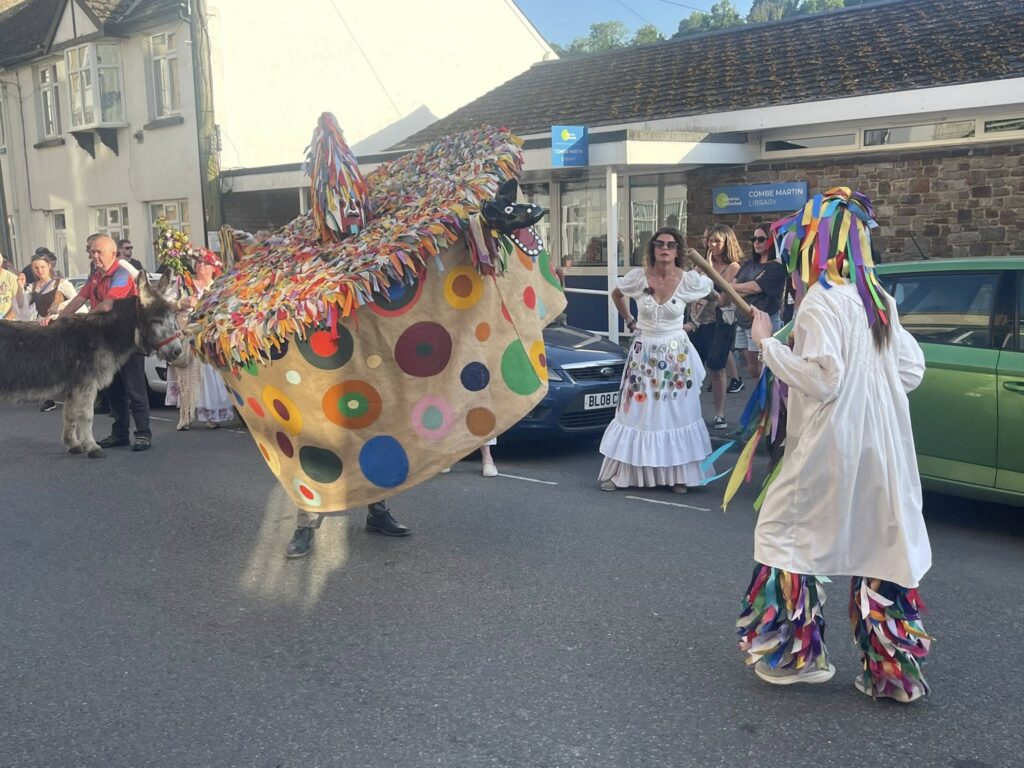
The unique celebration sees characters such as the Hobby Horse, Fool, Grenadiers, musicians and dancers take part in daily processions between Friday and Monday, ever searching for the elusive ‘earl’.
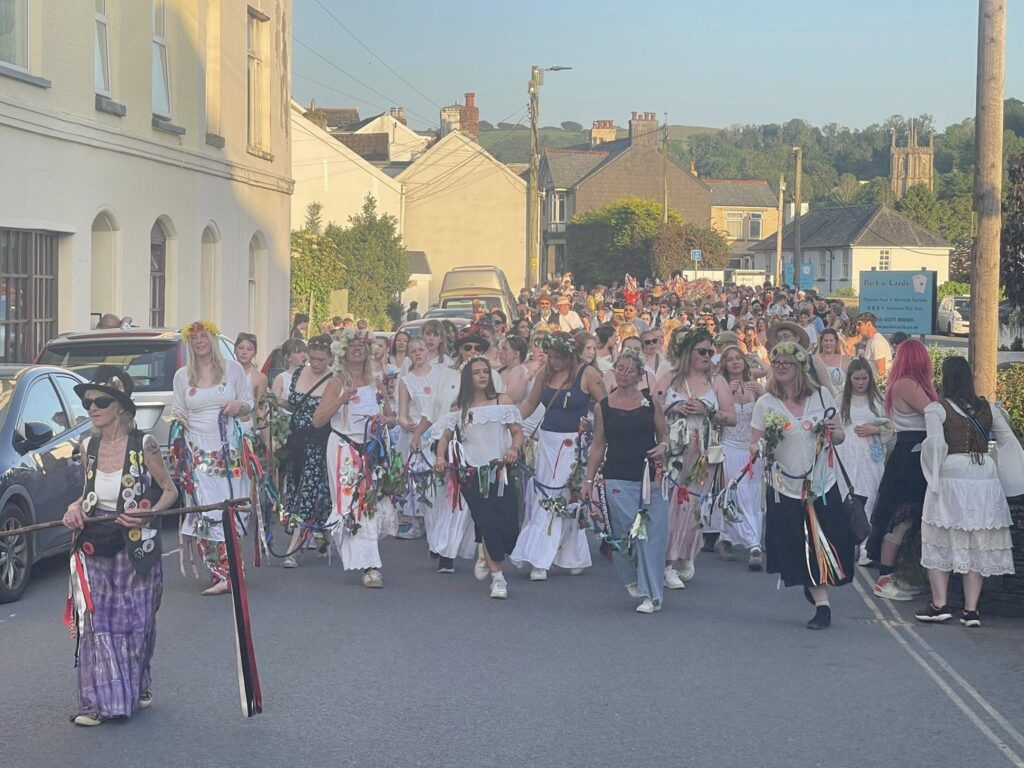
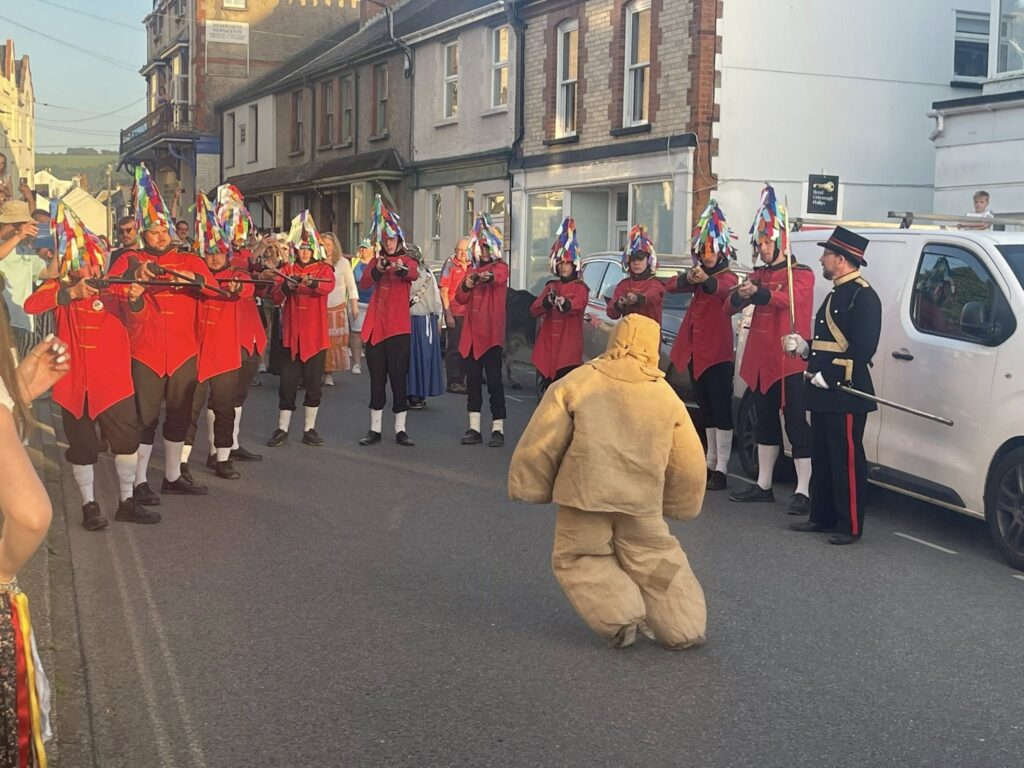
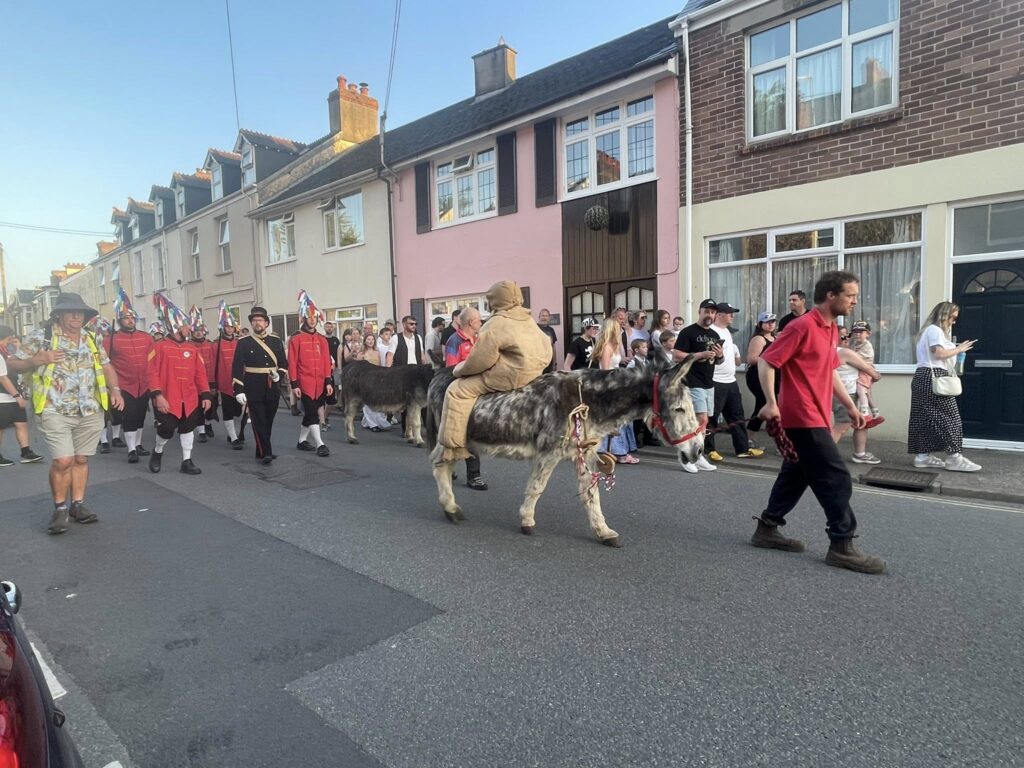
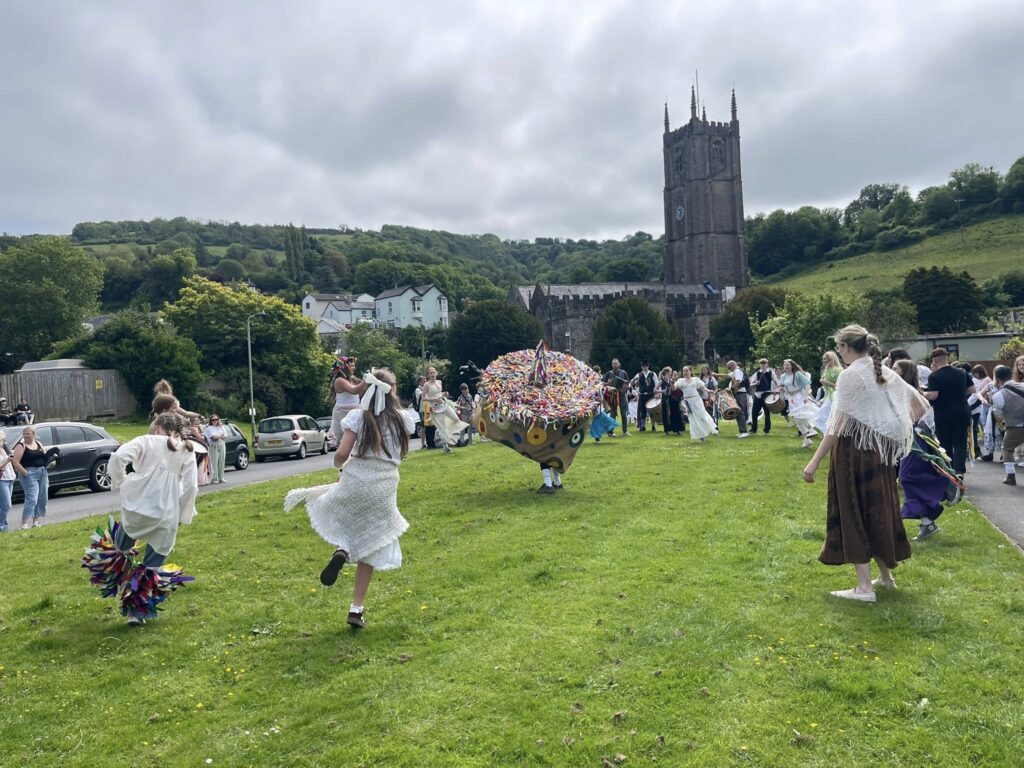
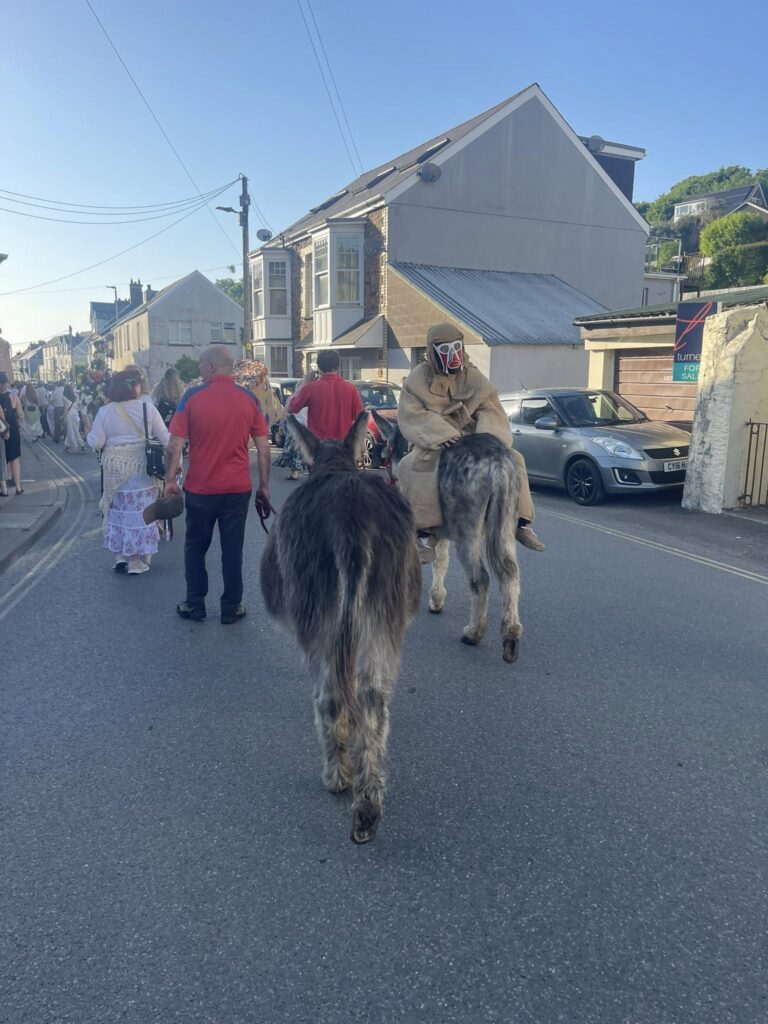
It all concludes on the Monday evening with a grand procession of hundreds, as the earl is located, paraded down the street, often sat backwards on a donkey, periodically ‘shot’ and revived before the hunting party moves on.
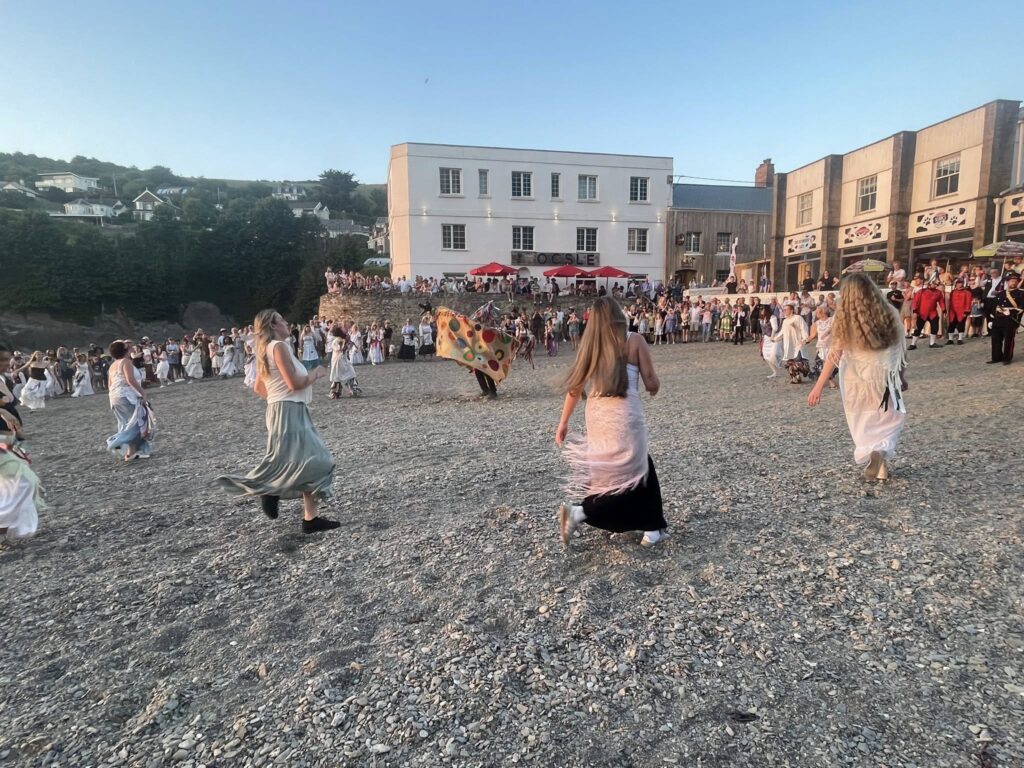
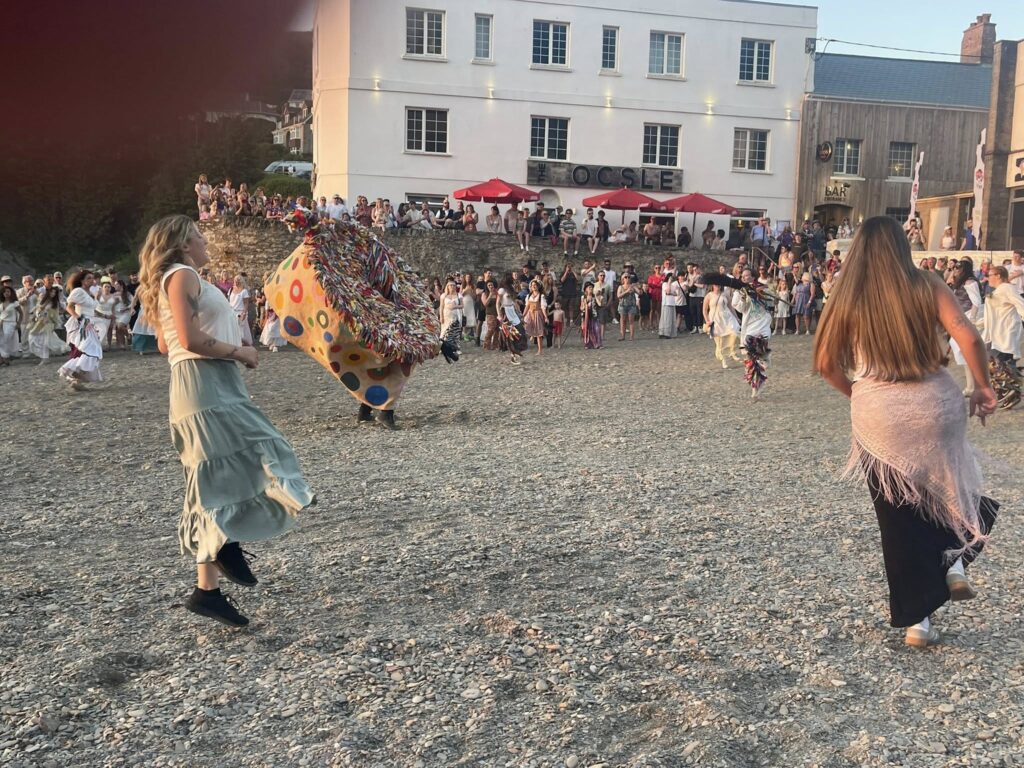
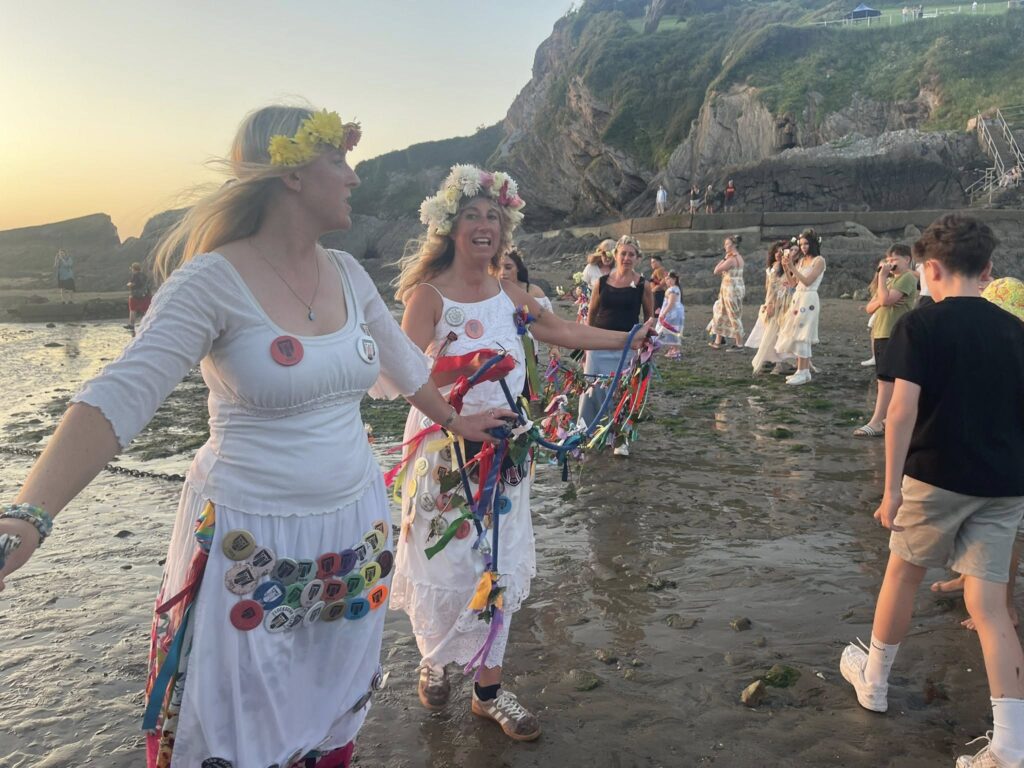
The hapless earl is cast (in effigy) into the sea at sunset, amid a cacophony of drumming.
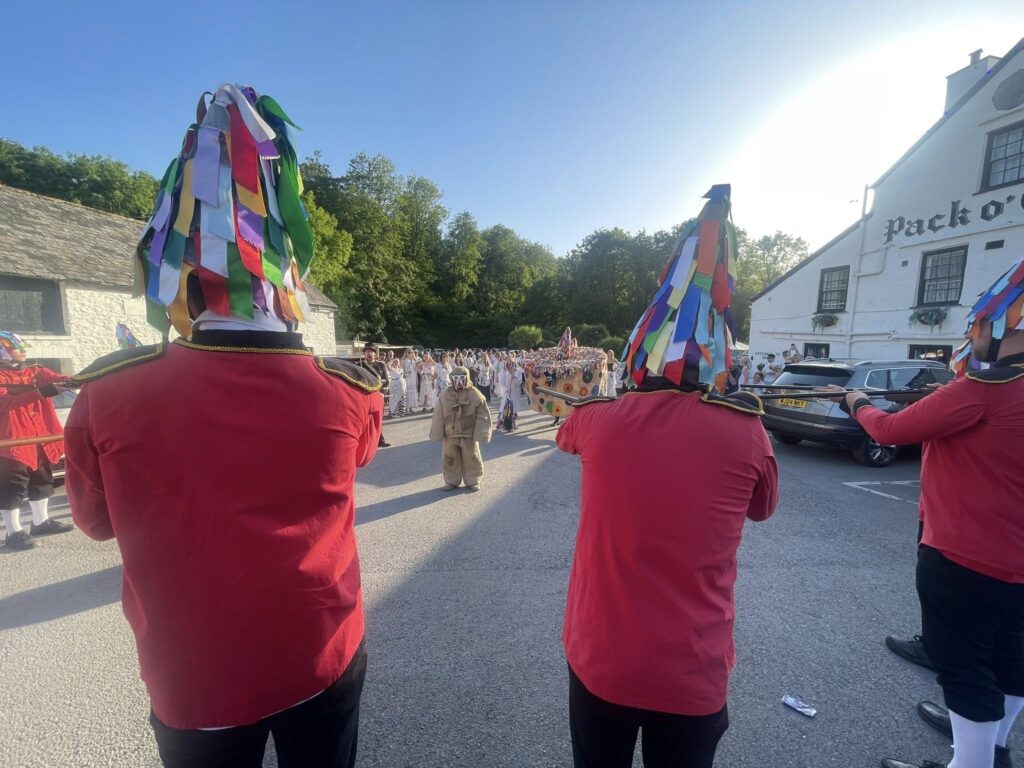
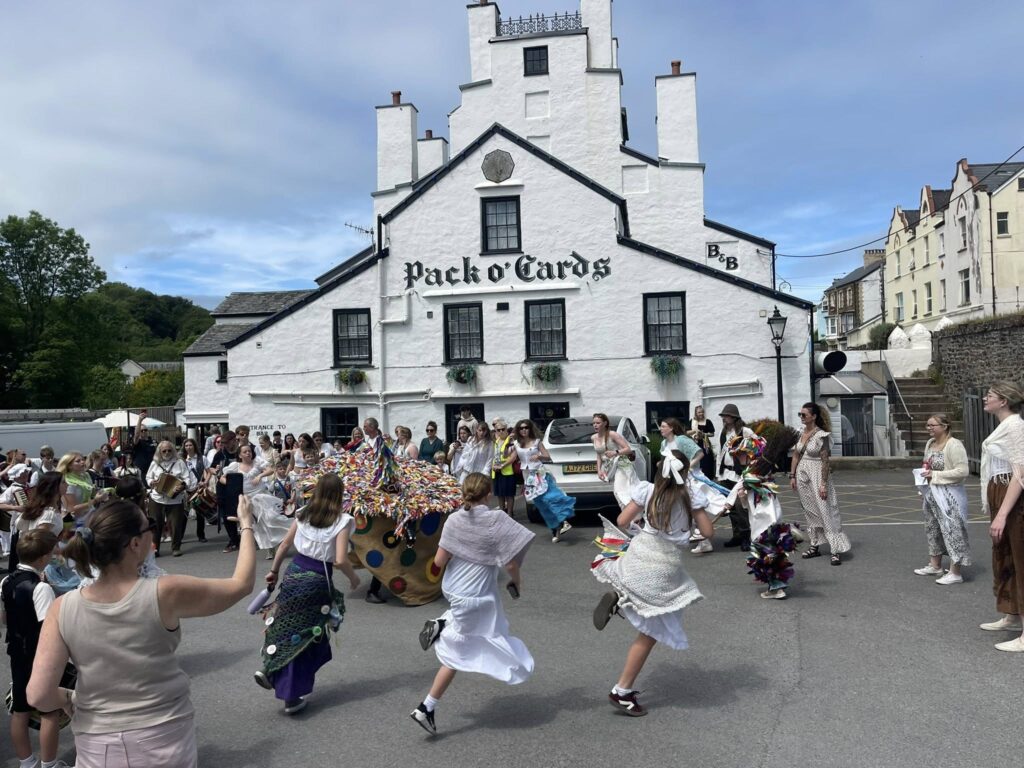
The procession stops outside the famous Pack O’ Cards pub. Credit: Kat BlacklockCombe Martin’s The Hunting of the Earl of Rone sees hundreds take part in the Monday evening procession. Credit: Kat BlacklockEarl of Rone credit Kat BlacklockEarl of Rone credit Kat BlacklockEarl of Rone credit Kat BlacklockOnce at the beach, the earl is cast into the sea at sunset in the celebration’s final act. Credit: Kat BlacklockOnce at the beach, the earl is cast into the sea at sunset in the celebration’s final act. Credit: Kat BlacklockOnce at the beach, the earl is cast into the sea at sunset in the celebration’s final act. Credit: Kat BlacklockOnce at the beach, the earl is cast into the sea at sunset in the celebration’s final act. Credit: Kat BlacklockEarl of Rone credit Kat BlacklockThe Grenadiers parade down the village street during the Monday evening procession. Credit: Kat BlacklockThe Hunting of the Earl of Rone weekend also includes a Saturday children’s procession. Credit: Kat BlacklockThe Hunting of the Earl of Rone weekend also includes a Saturday children’s procession. Credit: Kat BlacklockThe Hunting of the Earl of Rone weekend also includes a Saturday children’s procession. Credit: Kat BlacklockThe Hunting of the Earl of Rone weekend also includes a Saturday children’s procession. Credit: Kat BlacklockThe Hunting of the Earl of Rone weekend also includes a Saturday children’s procession. Credit: Kat BlacklockThe Hunting of the Earl of Rone weekend also includes a Saturday children’s procession. Credit: Kat BlacklockThe Hunting of the Earl of Rone weekend also includes a Saturday children’s procession. Credit: Kat BlacklockThe Hunting of the Earl of Rone weekend also includes a Saturday children’s procession. Credit: Kat BlacklockThe Hunting of the Earl of Rone weekend also includes a Saturday children’s procession. Credit: Kat BlacklockThe Hunting of the Earl of Rone weekend also includes a Saturday children’s procession. Credit: Kat BlacklockThe Hunting of the Earl of Rone weekend also includes a Saturday children’s procession. Credit: Kat BlacklockThe Hunting of the Earl of Rone weekend also includes a Saturday children’s procession. Credit: Kat BlacklockDrummers and musicians in The Hunting of the Earl of Rone in Combe Martin. Credit: Kat BlacklockEarl of Rone (Credit : Kat Blacklock)Earl of Rone (Credit : Kat Blacklock)The Hobby Horse and Fool are two of the eye-catching colourful characters in The Earl of Rone procession. Credit: Kat BlacklockThe Grenadiers escort the earl. Credit: Kat BlacklockThe earl is led down the street sat backwards on a donkey – this year two donkeys were used. Credit: Kat BlacklockEarl of Rone credit Kat BlacklockEarl of Rone credit Kat BlacklockEarl of Rone credit Kat BlacklockEarl of Rone credit Kat BlacklockEarl of Rone credit Kat Blacklock MondayEarl of Rone credit Kat Blacklock MondayThe earl is finally cast into the sea at sunset (in effigy, of course!) Credit: Kat BlacklockThe earl is finally cast into the sea at sunset (in effigy, of course!) Credit: Kat Blacklock
The folk tradition has an ancient history, but was revived in the 1970s after a break of 140 years and will see processions making their way up and down the long main street as the elusive ‘earl’ is sought once more.
It was originally banned in 1837 for ‘licentiousness and drunken behaviour’.
Local myth has it the original earl was the Earl of Tyrone, an Irish fugitive shipwrecked in North Devon. There is no historical evidence he ever came to these shores and he certainly wasn’t executed.
In fact, there are many theories as to the origins of the custom, but however it began, the village continues to enjoy the celebration to this day.
If you missed the events this year, you can also read up about the custom and its history at https://earl-of-rone.org.uk while Combe Martin Museum also has a year-around display dedicated to it.