



A growing push to take smartphones out of pupils’ hands has reached the corridors of power, as school leaders warn decisive action could transform classrooms and tackle inequality.
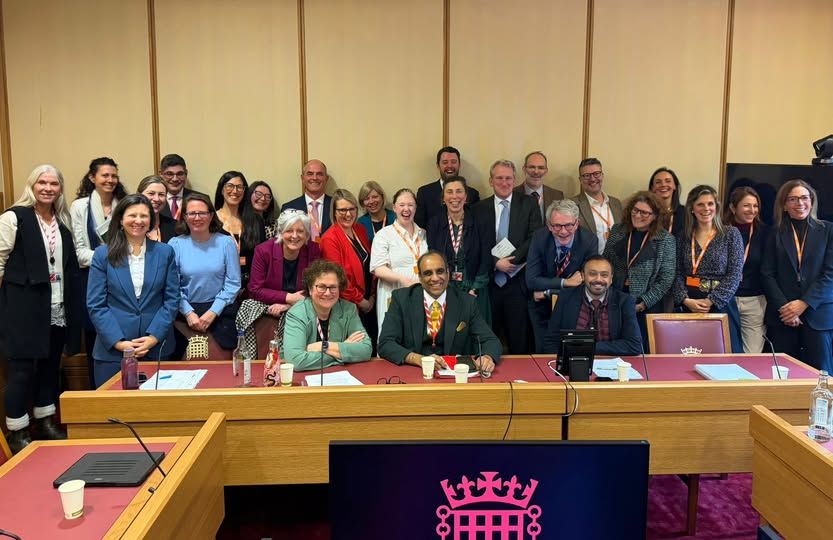
Tina Graham and Tom Chisholm, principal and assistant principal at Kingsbridge Community College, part of Education South West, joined education leaders at a round table in the House of Lords to discuss banning smartphones in schools and whether legislation is needed to support it.
The discussion brought together primary and secondary headteachers, alongside South Devon MP Caroline Voaden, to examine how restrictions on phone use are already shaping school environments.
Headteachers at the event said bans already in place have simplified school routines, reduced stress among staff, and allowed teachers to focus more on teaching rather than managing devices. They added that a statutory ban could be particularly beneficial for vulnerable children by helping reduce inequality and ensuring uninterrupted learning time.
Dr Emily Barrett, an educational psychologist working with the Safer Screens initiative, outlined the cognitive and emotional effects of smartphone use on young people. She said teenagers who turn to phones to avoid social anxiety risk missing opportunities to build resilience, manage everyday pressures, and engage with peers.
Other contributors included a London primary headteacher, who said any government aiming to reduce inequality should support schools through legislation, and executive head Alison Ramsay, who described a statutory ban as “the simplest and most transformational act” to improve children’s life chances.
Tina Graham said: “At Kingsbridge Community College, we are committed to supporting the wellbeing, focus, and positive development of all our students. Piloting a smartphone-free environment has already shown the difference it can make.
“It is helping students engage more fully in lessons, interact with one another, and build resilience.
“Being part of the House of Lords discussion was a powerful opportunity to share this experience and to advocate for a wider approach that benefits all young people.
“I firmly believe that giving students protected, uninterrupted time each school day allows them to thrive academically, socially, and emotionally.”
Matthew Shanks, chief executive of Education South West, said: “We are proud of the work our schools are doing to support student wellbeing and learning.
“Tina’s participation in the House of Lords discussion highlights the practical impact of smartphone-free environments and the importance of national legislation to give all children the best chance to focus and develop healthy relationships with technology.”
The event reflects a wider national debate about the role of technology in education, as schools, policymakers and parents consider how best to support young people’s academic progress and wellbeing.