



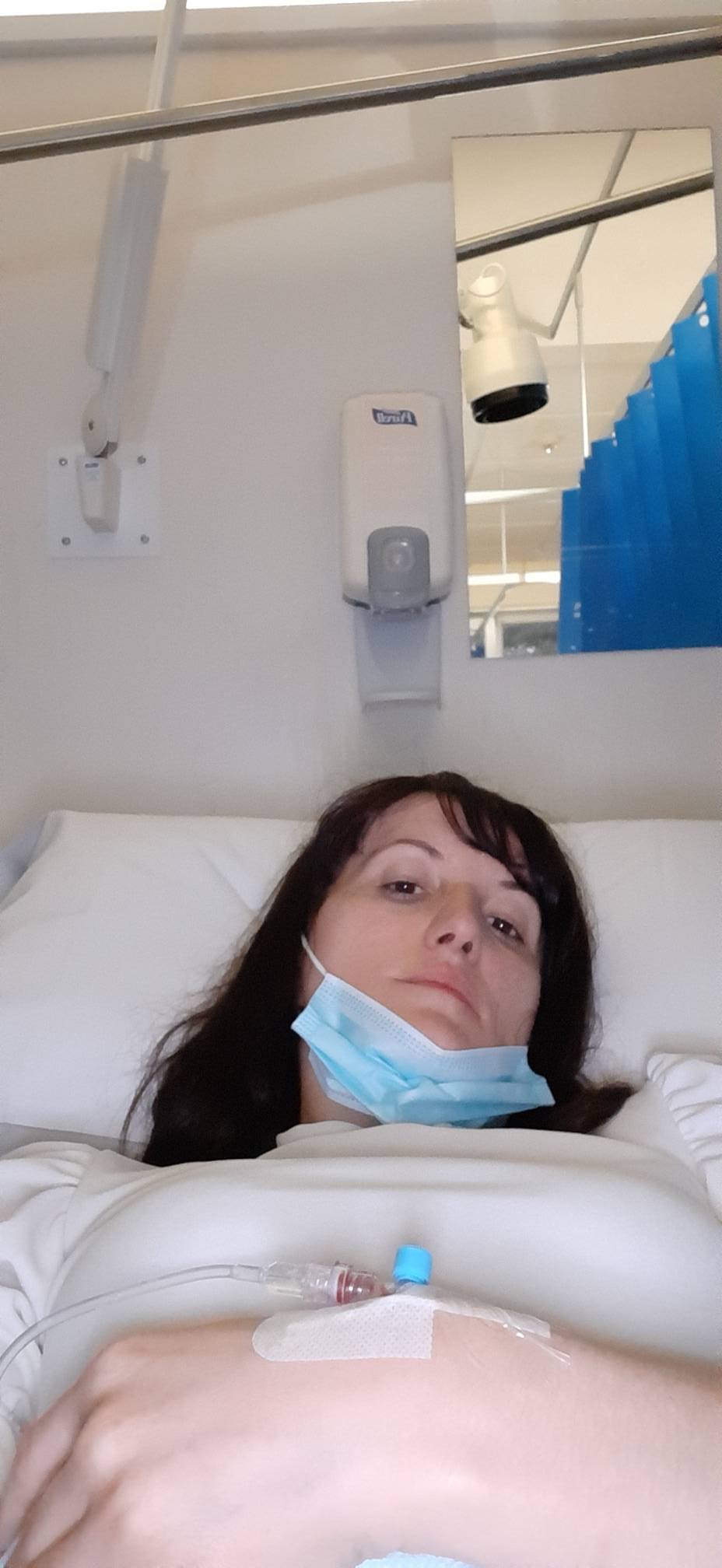
A mother has warned families to take ticks seriously after she and her son were both left battling the effects of Lyme disease following bites in Devon.
Oli Marshall said she was bitten on the abdomen by an infected tick six years ago after spending a day with her family in Kingswear woods.
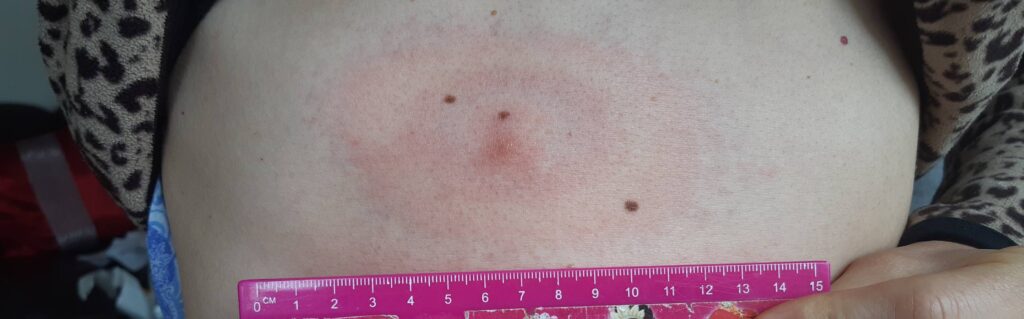
She said she did not see or feel the bite at the time, but two weeks later began feeling unwell with flu-like symptoms before noticing a bullseye-style rash.
Oli contacted her GP the next day after the rash grew and was immediately put on antibiotics. A test later confirmed Lyme disease.
She said her symptoms included fever, chills, exhaustion, joint and muscle pain, shooting pain in her leg, headaches, a stiff neck, pins and needles, numbness, dizziness and confusion.
Despite treatment, Oli said her condition worsened and she was later taken to hospital after struggling to walk, think or talk.
She said: “Today, I still live with daily debilitating symptoms of this dreaded illness.
“Exhaustion, body weakness, dizziness, heart palpitations, newly developed anxiety and depression, pain in joints and muscles, confusion, memory loss, dementia-like symptoms are only few to list.
“Lyme does not affect only myself, but my family too.”
Oli said her son was then bitten by an infected tick in May 2025 after playing a football match in Dawlish.
She said the tick was removed immediately, but he later became unwell with similar symptoms before developing a rash that was not the typical bullseye pattern.
He also developed partial Bell’s palsy, with one side of his mouth paralysed for around six weeks.
Oli said: “Please remember that the rash can look different in shape and on a different skin tone.”
She has urged people to use tick repellent, carry tick twisters and regularly check themselves, children and pets after being outdoors.
She said people should check areas including armpits, behind the knees and ears, the hairline, scalp, groin, between toes, waistline and bellybutton.
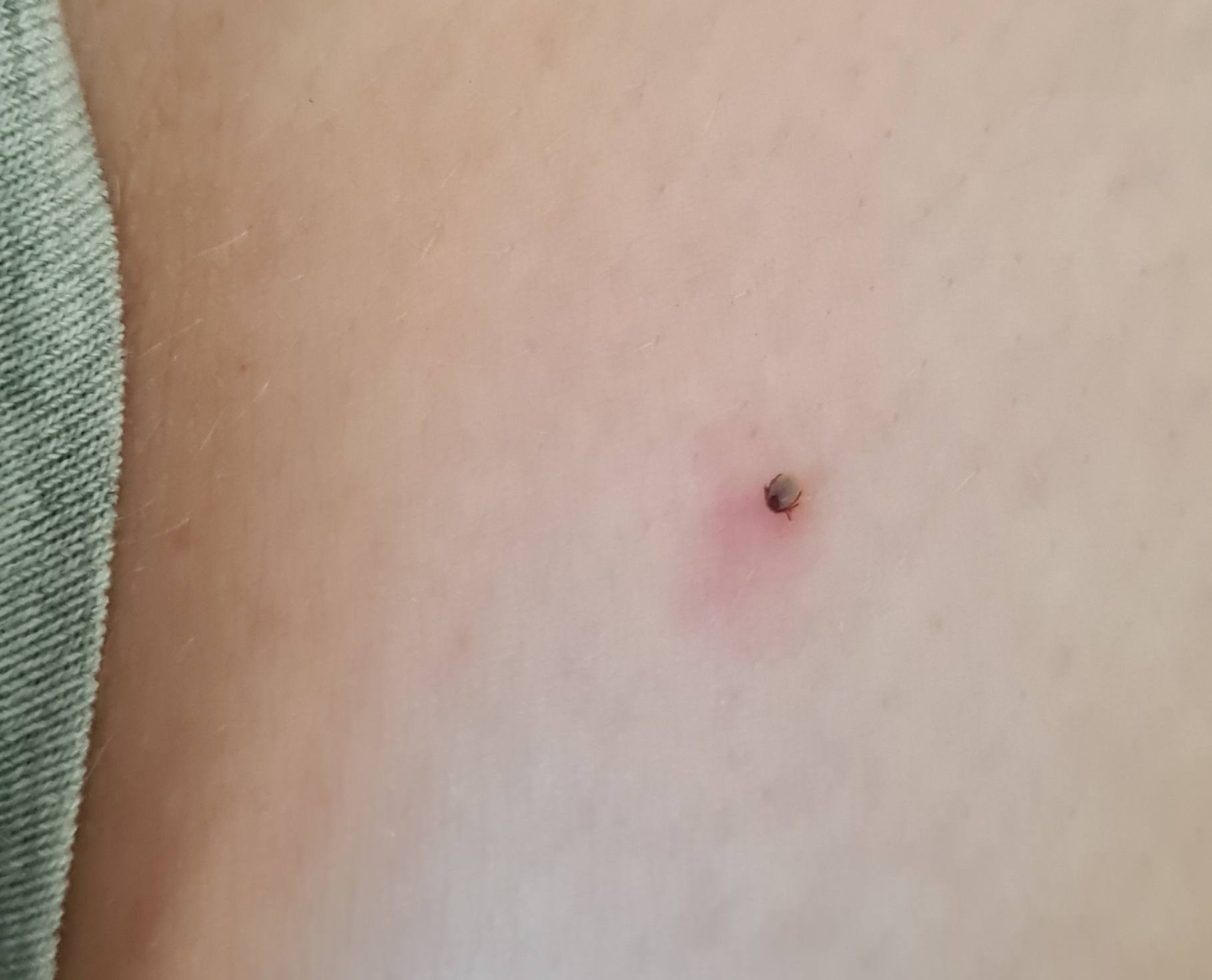
Oli added: “Please, do not use Vaseline, burn the tick, pull it with your fingers or use ordinary tweezers for plucking hair.
“Removing the tick correctly can prevent bacteria from going into your body.”
She also advised people to wear long sleeves and light-coloured clothing, tuck trousers into socks, avoid long grass, stay on pathways and check again in the days after being outdoors because ticks can be as small as poppy seeds.