



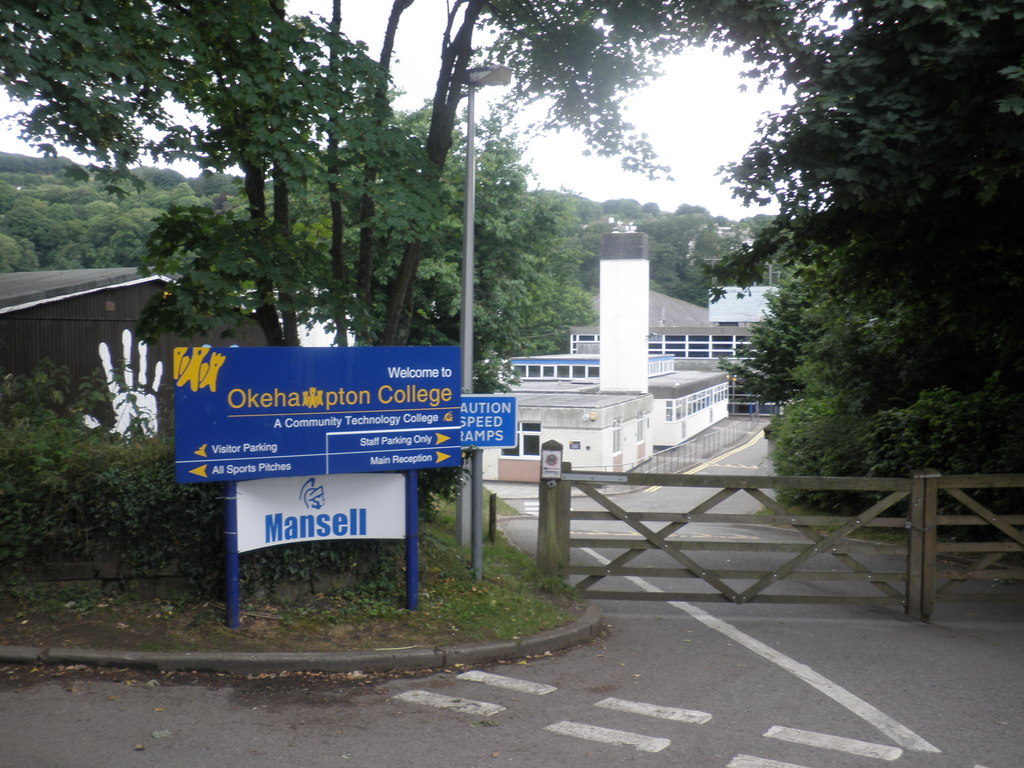
“A school where ‘leaders have stabilised the school following a period of turbulence’ but where attendance remains ‘generally well below the national average’ has been assessed as meeting the expected standard overall.”
Okehampton College in Devon, which has 1,137 pupils on roll, was inspected on Tuesday, January 27, and found to be meeting safeguarding and overall standards, although inspectors highlighted several areas requiring further attention.
Inspectors noted that “leaders have stabilised the school following a period of turbulence. They have identified and prioritised the right actions for improvement.” The report adds: “They have raised their expectations of pupils’ behaviour and started to reduce absence. Leaders are taking quick and effective action to bring about the necessary improvements, acting in the best interests of pupils. However, there is further work to do.”
Safeguarding was found to be effective, with inspectors concluding that “leaders and/or those responsible for governance and oversight fulfil their specific responsibilities and have established an open culture in which safeguarding is everyone’s responsibility and concerns are actively identified, acted upon and managed. As a result, pupils are made safer and feel safe.”
In terms of achievement, the school was judged to be at the expected standard overall. “Pupils, including those who are disadvantaged, typically build their knowledge and skills well as they progress through the school,” inspectors said, noting that GCSE outcomes are “consistently in line with national averages for most pupils.” However, the report highlights that “students do not achieve as well” in the sixth form, where “achievement at post-16 is consistently below national averages in examinations.”
Inspectors also raised concerns about attendance and behaviour, both graded as “needs attention”. The report states: “Pupils’ attendance is generally well below the national average, and rates of persistent absence are high. This includes for pupils who are disadvantaged or have special educational needs and/or disabilities.” While leaders are taking action, including working closely with families, “it is too soon to determine the impact over time.”
On behaviour, inspectors said: “Leaders have taken prompt action to raise expectations of pupils’ behaviour and to strengthen the school’s approach. This work is at an early stage. Consequently, some disruption to learning continues. This is reflected in the school’s high rates of suspension.”
The quality of teaching and the curriculum was also identified as an area for improvement. Inspectors found that “teaching is not adapted effectively enough for some pupils with special educational needs and/or disabilities,” adding that “there are inconsistencies in how well strategies and support for these pupils are put in place.”
They added that a small number of pupils have gaps in basic skills, and while leaders have made this a priority, “they have not ensured that staff have the expertise they need to close these gaps.”
Despite these concerns, inspectors recognised positive aspects of school life. “Most pupils enjoy their learning. They achieve well, including in their GCSE examinations at the end of key stage 4,” the report states. Pupils benefit from a range of opportunities beyond the classroom, including trips abroad and participation in activities such as the Duke of Edinburgh’s Award and Ten Tors.
Relationships were also highlighted as a strength: “Pupils generally have positive relationships with their peers and staff. Most feel that staff support them with their learning and provide valuable experiences beyond the classroom.”
The personal development programme was judged to meet expectations, with inspectors noting that “leaders have designed a suitable and coherent personal development programme,” covering themes such as diversity, safety and healthy relationships.
However, inspectors pointed out that while there is a wide range of extracurricular opportunities, “leaders do not always use this information precisely enough to make further improvements” in participation.
The report sets out clear next steps, including reducing absence further, improving behaviour, ensuring effective support for pupils with SEND, and equipping teachers with the expertise needed to address gaps in basic skills.