



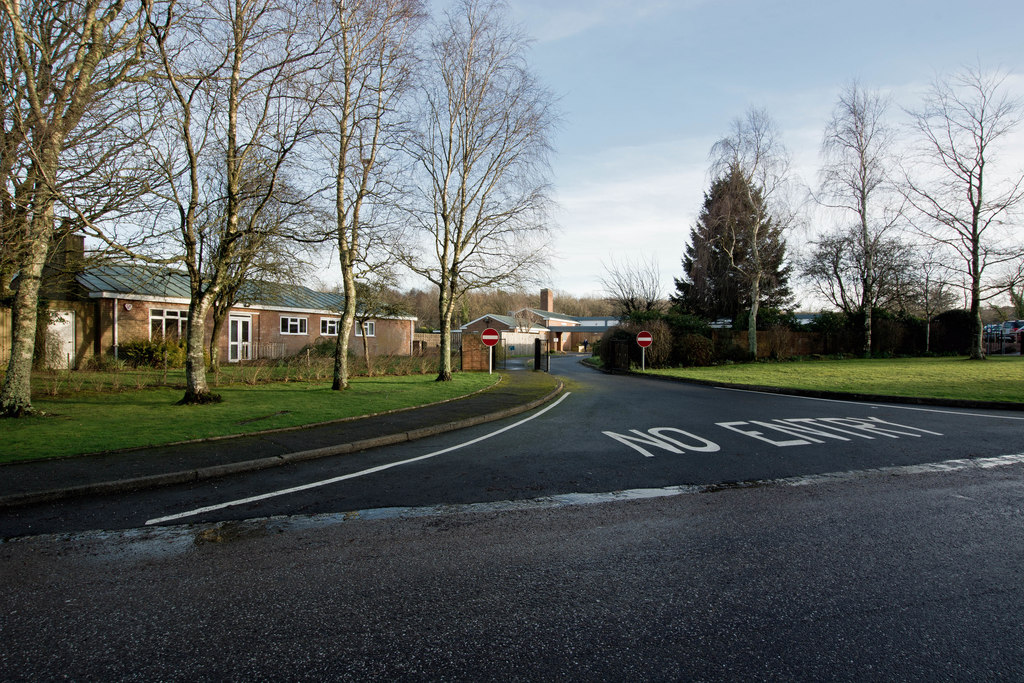
North Devon Crematorium has revealed changing funeral trends, a rise in baby funerals and major plans to modernise its site as part of a new management report.
A report presented to the North Devon Crematorium Joint Committee showed cremation numbers remained steady during 2025-26, with 1,560 cremations recorded excluding non-viable foetus and pre-term baby funerals.
Bereavement service managers said there had been no significant concerns raised following recent changes to cremation charges.
The report also noted an increase in non-viable foetus and pre-term baby funerals, which are provided free of charge. Managers said they believed this was linked to bereaved parents having more choice over funeral directors and increasingly opting for individual rather than shared services.
Figures covering booking types since April 2025 showed the most common option remained the 30-minute attended service, with 800 held over the year. There were also 324 unattended direct cremations and 351 60-minute attended services.
Managers said the crematorium had continued to see “reasonable take-up” of its 10-minute attended direct cremation service, introduced in April 2025, and that its use would continue to be monitored throughout 2026.
The report stated that attended funeral services remained more popular overall, with a rolling preference split of 74 per cent attended services compared with 26 per cent unattended or direct cremations.
Committee members also heard that North Devon Hospice received a £17,000 cheque in April 2026 through the Institute of Cemetery and Crematorium Management’s metals recycling scheme.
The crematorium’s chosen charities are Families in Grief, North Devon Hospice, Cruse and Children’s Hospice South West.
From the next funding award onwards, all four charities will receive an equal share of the money every six months after the committee agreed this would be a fairer way to distribute the funds.
The report also highlighted the success of the crematorium’s solar panel project, which was completed in late 2025. Since installation, the panels have generated 15.6 megawatt hours of electricity, including 14.3 megawatt hours during 2026 alone.
Managers said the system was currently covering around 45 per cent of electricity use across the crematory and chapels, with output expected to increase further during the summer and autumn months.
A number of maintenance and improvement projects have also been completed or arranged following a review of the site and business continuity plans.
Works include replacing uneven paths, rebuilding garden walls, improving lighting, updating waiting rooms, replacing signage for sight-impaired visitors and assessing dangerous trees.
Future priorities include digitising cremation records dating back to 1966, upgrading CCTV, redesigning flower rooms and carrying out repairs to buildings and drainage systems across the site.